
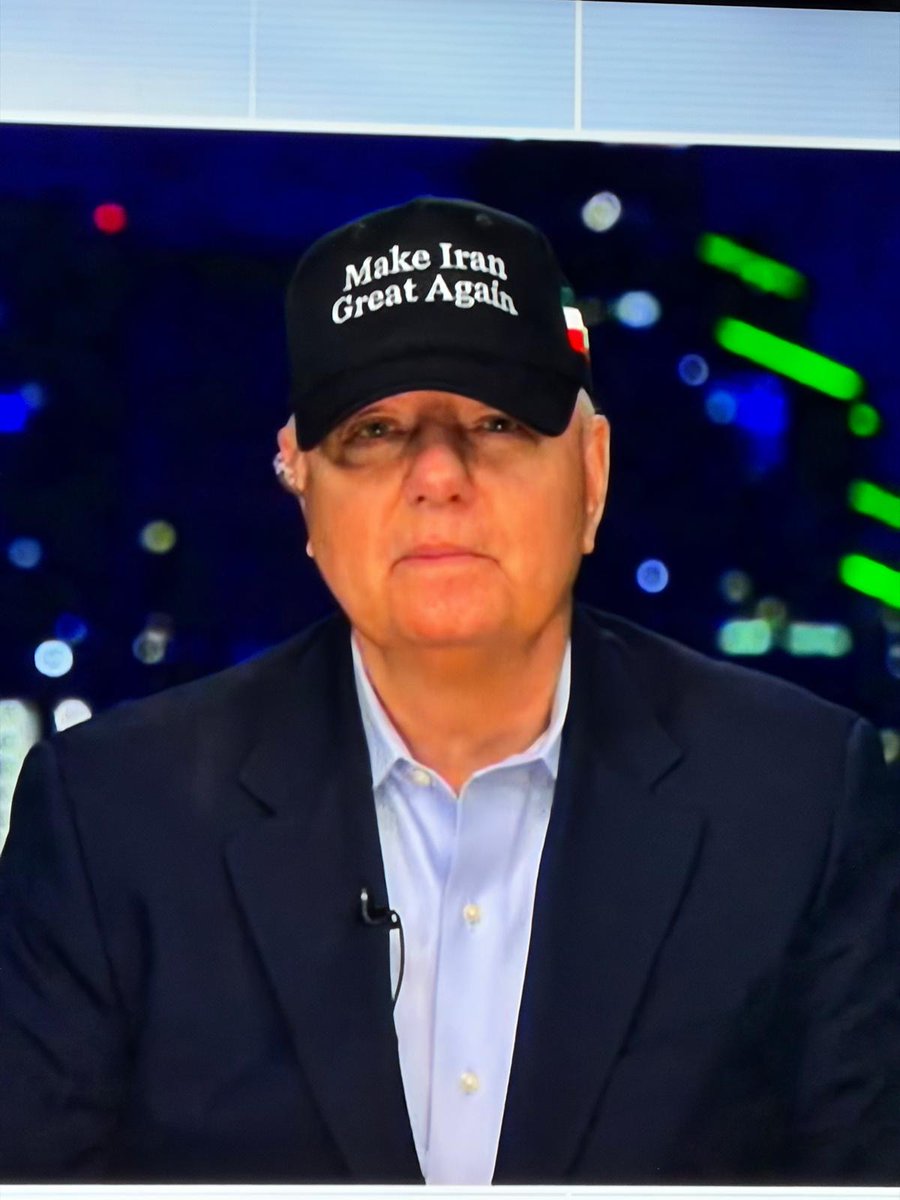
U.S. Senator Lindsey Graham has ignited fresh debate over Washington’s intentions toward Iran after appearing in a red “Make Iran Great Again” cap and declaring:
“I pray and hope that 2026 will be the year that we make Iran great again.”
While framed as rhetoric, Graham’s comment comes at a sensitive moment—amid renewed protests inside Iran and a broader shift in U.S. policy under President Donald Trump toward assertive action in the Middle East and the Western Hemisphere alike.
Context: Protests and Pressure
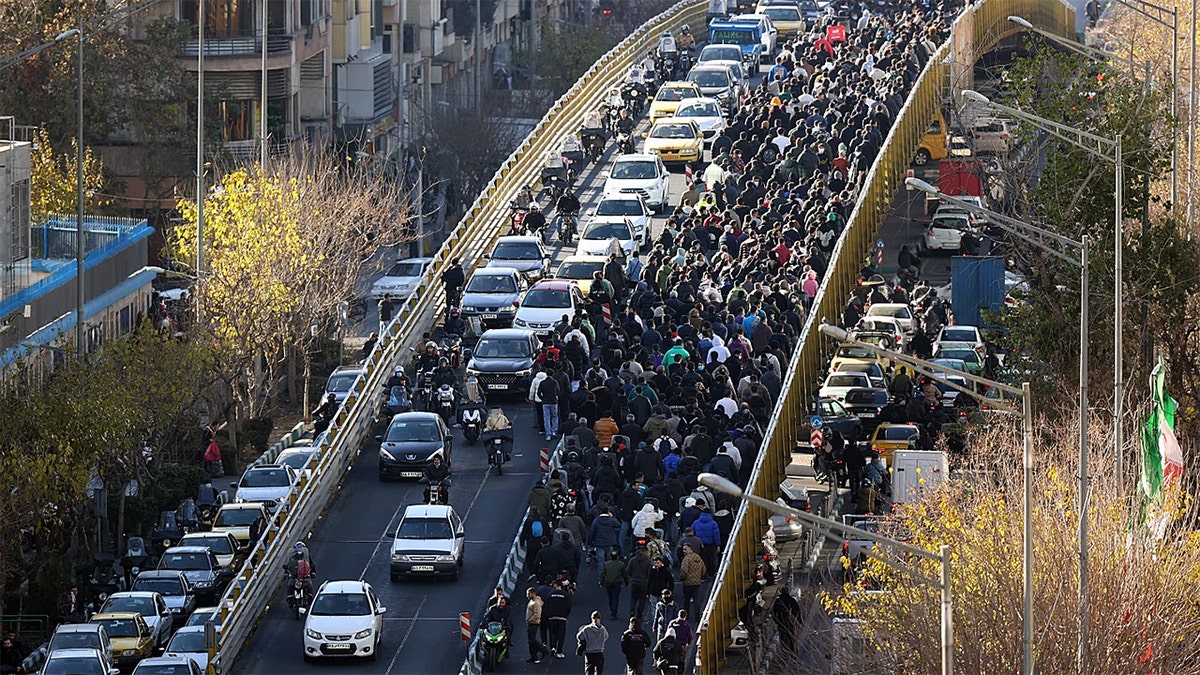
Iran has witnessed sporadic but widening demonstrations in recent weeks, driven by economic distress, currency weakness, and long-standing political grievances. While Iranian authorities portray the unrest as foreign-instigated, Western officials have increasingly highlighted human rights concerns and framed the protests as evidence of deep internal dissatisfaction.
Against this backdrop, Graham’s statement is being read less as symbolism and more as a signal of political intent—suggesting that Washington sees 2026 as a potential inflection point for Iran’s trajectory.
What Does ‘Make Iran Great Again’ Mean?
U.S. officials and analysts describe a multi-layered approach rather than a single policy lever:
- Sustained Economic Pressure
Washington is expected to maintain sanctions pressure targeting Iran’s oil revenues, shipping networks, and financial channels, while tightening enforcement against sanctions evasion. - Support for Civil Society and Information Access
The U.S. has expanded messaging in Persian, emphasized internet access, and increased public diplomacy aimed at Iranian audiences—framing change as Iranian-led, not externally imposed. - Regional Containment
U.S. policy continues to prioritize curbing Iran’s regional footprint—particularly the activities of allied groups—while strengthening security cooperation with regional partners. - Diplomacy Without Concessions
While Washington leaves the door open to talks, officials stress that negotiations would be conditional on verifiable changes, not sanctions relief upfront.
No Invasion, But No Illusions
Graham and other U.S. lawmakers have been explicit that military invasion is not the goal. Instead, the strategy relies on pressure, isolation, and leverage—aimed at creating conditions in which Iran’s leadership faces rising internal and external costs.
The phrase “Make Iran Great Again,” critics argue, echoes past U.S. rhetoric associated with regime change. Supporters counter that it reflects solidarity with the Iranian people, not a blueprint for occupation.
Reactions and Risks
Iranian officials have dismissed such statements as proof of U.S. hostility and interference. State media warn that external pressure could harden positions and justify crackdowns. Meanwhile, regional observers caution that escalatory rhetoric, even absent military action, can fuel miscalculation.
Yet within Washington, Graham’s comment aligns with a broader belief that incremental pressure is converging with internal unrest—a combination some policymakers view as historically consequential.
Analysis
Graham’s remark underscores a shift from managing Iran to actively shaping outcomes—at least rhetorically. Whether this translates into tangible change depends on variables beyond Washington’s control: the durability of protests, elite cohesion in Tehran, and regional dynamics.
For now, the message is clear: the U.S. intends to keep Iran at the center of its strategic agenda in 2026, betting that pressure plus persistence will eventually redefine the country’s path—without firing a shot.