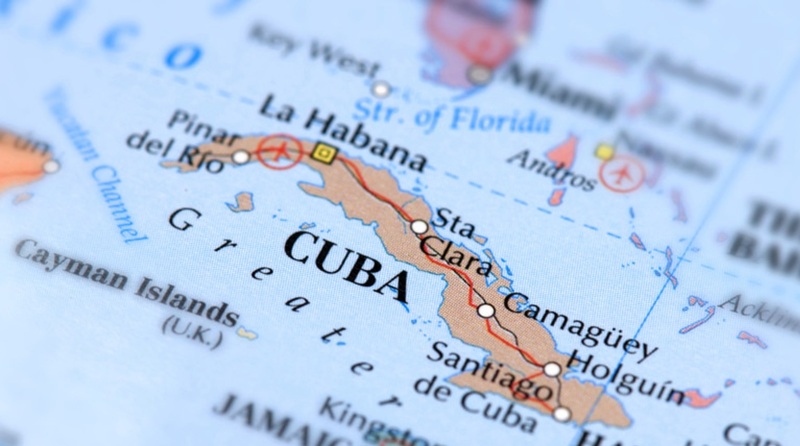
The United States is actively seeking to identify Cuban government insiders who could help bring about regime change in Havana by the end of 2026, according to a report in The Wall Street Journal citing unnamed U.S. officials familiar with the matter.
Officials in the Trump administration believe Cuba’s communist government is vulnerable, with its economy strained by the loss of subsidised Venezuelan oil and longstanding economic woes. The U.S. hopes to find an official within Havana’s government who may be willing to “cut a deal,” The Wall Street Journal reported, as part of broader efforts to encourage a transition of power.
Venezuela Blueprint and Escalating Pressure
The effort, according to U.S. sources, has been “emboldened” by the U.S. military operation in Venezuela that led to the capture and removal of President Nicolás Maduro earlier this month — an action that the United States justified as a law-enforcement operation but which sparked international controversy and condemnation.
President Donald Trump has publicly warned Cuba’s leadership that the island nation should “make a deal before it is too late,” asserting that the Cuban government is “ready to fall.” He also made light-hearted suggestions on social media about possible U.S. leadership roles for Cuba’s future, including naming Secretary of State Marco Rubio — a figure known for his strong anti-communist stance.
Diplomacy, Exiles, and No Clear Plan Yet
While U.S. officials reportedly have no formal or detailed plan for how regime change would be achieved, the administration has been holding meetings with Cuban exiles and civic groups in Miami and Washington to explore options and identify potential collaborators within Cuba’s government.
The push coincides with increased economic sanctions and diplomatic pressure on Havana, as U.S. policy makers seek to capitalise on Cuba’s economic fragility following Venezuela’s shift away from subsidised oil shipments — historically a key lifeline for the Cuban economy.
Regional Tensions and International Response
The reported plan to encourage regime change in Cuba comes amid heightened tensions in Latin America after the recent Venezuelan operation. That action drew sharp criticism from several nations and international law experts, who described it as a violation of sovereignty and international norms.
Cuba has remained defiant. In recent days, tens of thousands of Cubans protested outside the U.S. Embassy in Havana to condemn the U.S. raid in Caracas and demand the release of Maduro, with President Miguel Díaz-Canel denouncing Washington’s approach as imperialist and affirming Cuba’s readiness to defend itself.
The U.S. administration’s evolving Latin America strategy suggests a willingness to use a blend of diplomatic pressure, sanctions, and engagement with dissident elements to pursue political change, even as debate continues over the legal, ethical, and strategic implications of such actions.