The first hours of the current military campaign against Iran reveal a conflict that is structurally and strategically different from the earlier 12-Day War. Differences in timing, objectives, coordination, and escalation patterns suggest a far more expansive and dangerous confrontation.
Here’s what we know so far.
1. Timing Signals Maximum Disruption
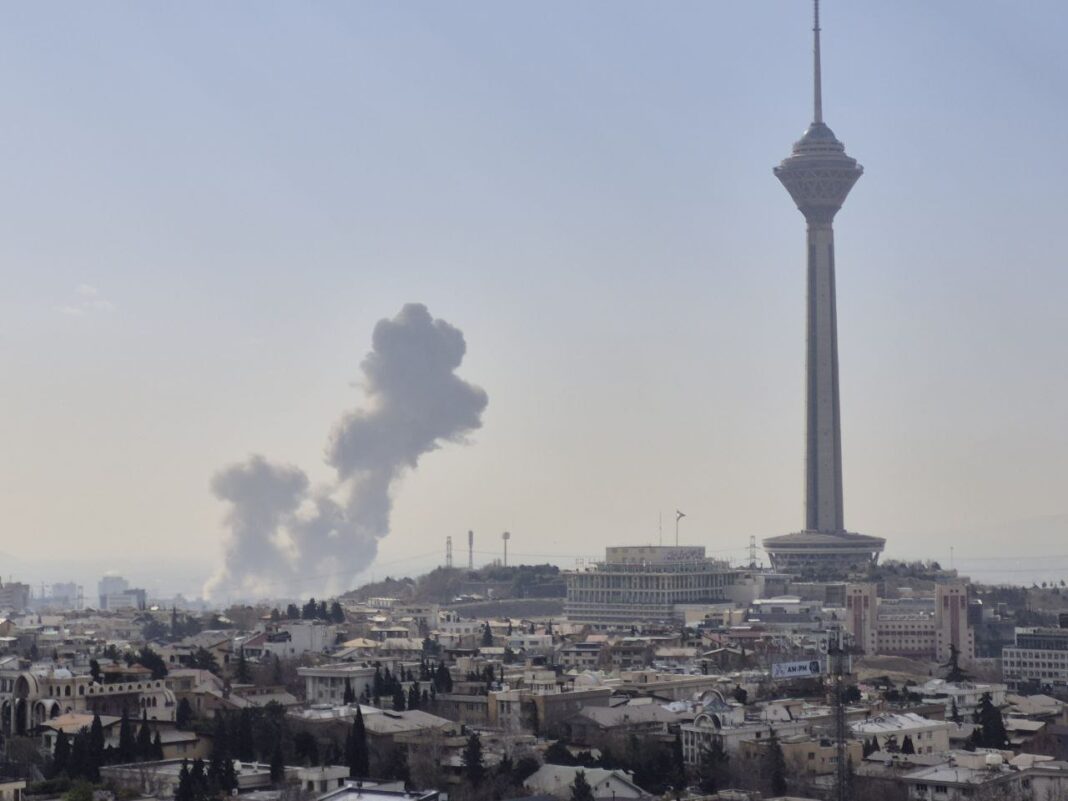
Explosions were reported across Tehran early in the morning, marking a notable shift from the previous conflict, which began with nighttime strikes.
Launching operations at the start of Iran’s calendar week appears designed to maximize:
- Government disruption
- Leadership vulnerability
- Civil-military confusion
- Psychological shock
The shift in timing indicates deliberate strategic messaging and operational planning.
2. A Clear Decapitation Strategy
Early reports suggest approximately 30 targets were hit in the first wave. These reportedly included:
- Leadership residences
- Intelligence facilities
- Security command nodes
- Even areas associated with the Supreme Leader’s office
Unlike previous operations that prioritized military infrastructure, this campaign appears aimed directly at leadership structures — a hallmark of a “regime decapitation” strategy.
Such strategies attempt to destabilize command-and-control systems at the outset, reducing coordinated defensive responses.
3. Direct U.S. Participation from the Start
A major shift from the earlier 12-Day War is the apparent direct involvement of the United States from the beginning.
President Donald Trump described the operation as defending American lives and neutralizing immediate threats. However, his statements encouraging the Iranian people to oppose their government strongly suggest regime change may be an underlying objective.
American officials reportedly characterized the campaign as extensive and closely coordinated with Israel — marking a clear escalation in US engagement.
4. Phased Operational Design
The operational structure appears carefully sequenced:
Phase 1:
- Missile strikes targeting leadership nodes
- Suppression of air defense systems
- Strikes on southern strategic sites such as Chabahar
The likely goal: clear the path for expanded air force operations against:
- Missile bases
- Strategic infrastructure
- Command centers
This layered approach reflects a more comprehensive military design than the previous limited exchange.
5. Rapid Iranian Retaliation
Iran’s response was unusually swift. Missile launches reportedly began within hours, with impacts reported in:
- Tel Aviv
- Haifa
Iranian statements declared that no “red lines” remain, signaling full-force retaliation.
This rapid response suggests possible predelegated authority within Iran’s military structure — allowing continuous retaliation without waiting for centralized political authorization.
Such a posture significantly increases escalation risks.
6. Expansion Beyond Israel
Another critical difference: the confrontation quickly extended beyond Israeli territory.
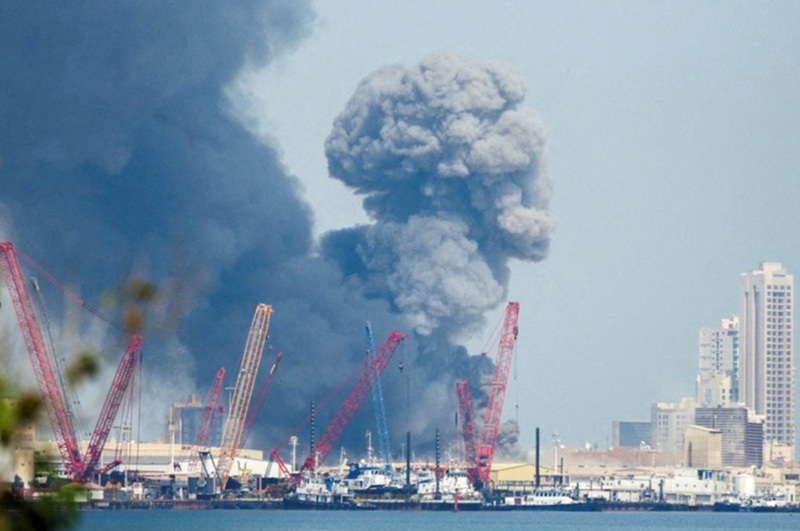
Reports of explosions in Gulf Cooperation Council (GCC) states indicate strikes targeting U.S. bases — marking immediate direct confrontation with Washington.
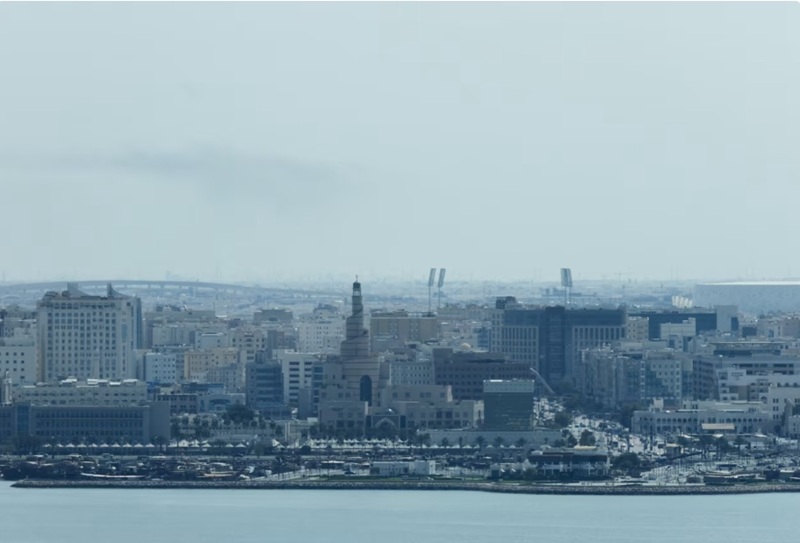
This sharply contrasts with Iran’s June 2025 strike on Al Udeid Air Base in Qatar, which was widely interpreted as symbolic and calibrated to enable de-escalation.
The current strikes appear operational rather than symbolic.
7. Multi-Front Escalation: The Red Sea Factor
The conflict is no longer confined to Iran and Israel.
Yemen’s Houthi movement has announced renewed operations in the Red Sea, threatening maritime security and commercial shipping lanes.
This development transforms the confrontation into a multi-front regional conflict involving:
- Israel
- Iran
- U.S. forces
- Gulf states
- Red Sea maritime corridors
A Conflict with Fewer Restraints
Compared to the 12-Day War, the early indicators suggest:
- Greater coordination
- Broader targeting scope
- Direct US involvement
- Faster retaliation cycles
- Immediate regional spillover
Most significantly, previous “red lines” appear to have eroded. The removal of restraint mechanisms increases the probability of miscalculation.
The Strategic Question Ahead
The key question now is whether escalation stabilizes into controlled, calibrated exchanges — or whether the collapse of prior limits pushes the Middle East into a prolonged regional war.
With regime decapitation objectives, direct U.S. participation, rapid Iranian counterstrikes, and expanding fronts, this conflict already exceeds the structure of the previous 12-Day War.
The coming days will determine whether this remains a contained high-intensity confrontation — or evolves into a defining regional war.