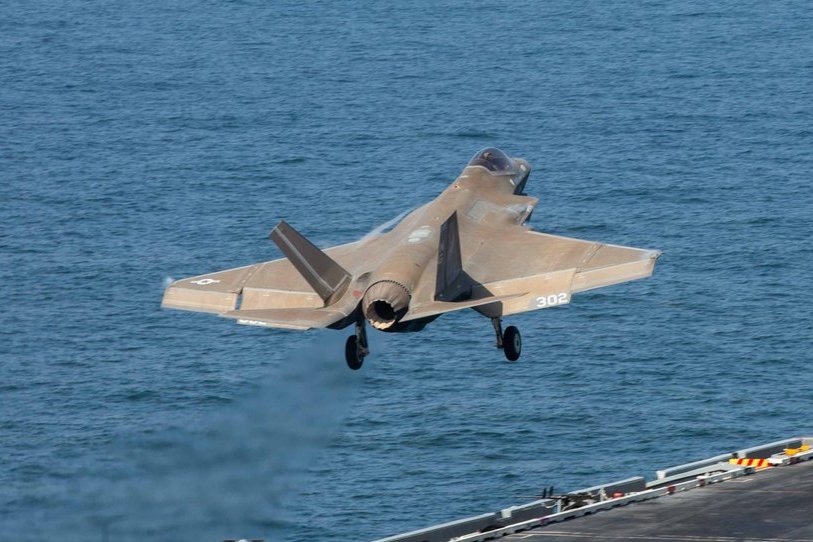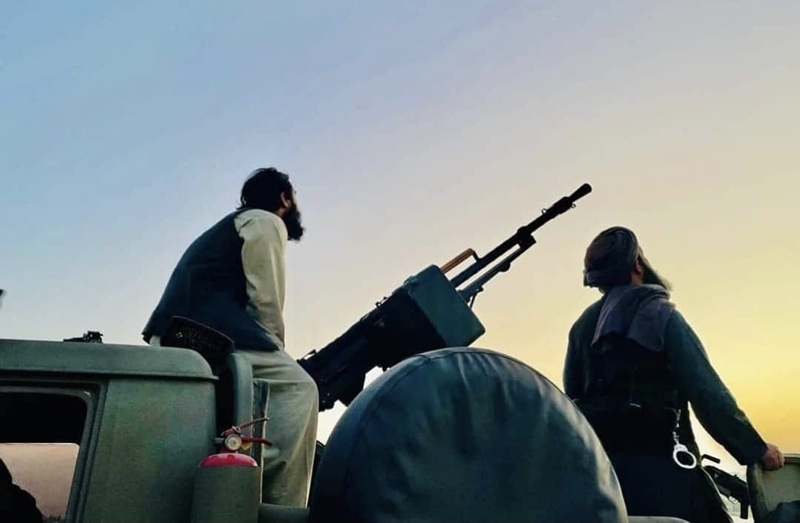
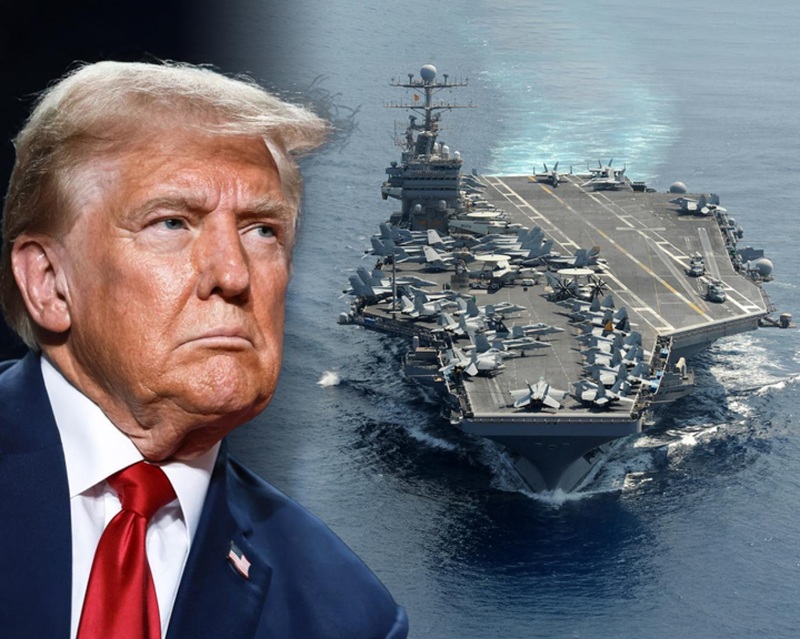
The abrupt shift from diplomacy to military action against Iran has left many U.S. regional allies in the Middle East reeling, as President Donald Trump ordered major combat operations that effectively sidelined ongoing negotiations.
Just hours before the strikes began, Oman’s Foreign Minister Badr Albusaidi met with U.S. Vice President JD Vance in Washington to press for continued diplomatic progress between the United States and Iran. According to a source familiar with the talks, Albusaidi felt the vice president had engaged seriously, but was pessimistic about a diplomatic breakthrough given the sizable U.S. military buildup in the region. Crucially, he had “no idea” that coordinated strikes were imminent.
Within roughly 16 hours of that meeting, President Trump announced the launch of “major combat operations,” marking a dramatic departure from negotiations — and leaving many partners scrambling to recalibrate their strategies.
Allies Caught Between Diplomacy and Military Escalation
The sudden escalation has exposed divisions and uncertainty among U.S. partners:
- Oman, traditionally a diplomatic intermediary between the U.S. and Iran, saw its mediation efforts overtaken by military action at the eleventh hour.
- Several governments in the Gulf who had urged caution found themselves informed of the strikes only through military channels or direct calls from U.S. officials.
- Regional capitals are now confronting the implications of deeper conflict and backlash, even as Iran’s retaliatory strikes unfold.
Some allies, such as Saudi Arabia and the United Arab Emirates, had privately encouraged a harder stance against Tehran behind closed doors — reportedly influencing U.S. decision-making. Yet the speed and scale of the shift surprised many diplomatic interlocutors.
Diplomatic Channels Undercut
Before the strikes, nuclear negotiations between Washington and Tehran were advancing cautiously, with rounds held in Oman and Geneva. Iran had signaled willingness to discuss restrictions on its nuclear activities, and mediators worked under the hope that progress could be made.
Analysts argue the Trump administration’s move undercut these channels, turning a potential diplomatic opening into a major confrontation. This comes even as Washington maintained a robust military posture across the Middle East — the largest regional deployment in decades — signaling that diplomacy was taking place under the shadow of overwhelming force.
Strategic Dilemma for Gulf Partners
U.S. allies face a complex strategic dilemma:
- On one hand, they rely on American security guarantees against Iranian regional influence.
- On the other hand, they bear the direct risk of instability from conflict spillover and retaliation.
Many Gulf states host U.S. military bases and are now adjusting security protocols amid Iranian counterstrikes, including missile and drone attacks targeting U.S. positions across the region.
While some neighboring governments have cautiously supported U.S. actions, others have signaled concern about regional escalation and underscored the need for renewed diplomatic engagement.
What Comes Next?
The turn from diplomacy to open military confrontation raises pressing questions for U.S. regional allies:
- Can diplomatic engagement with Tehran be revived after such a breach in trust?
- How will Gulf states balance cooperation with Washington against domestic and regional stability concerns?
- Will military escalation deepen divisions between U.S. policy and partner preferences?
As the conflict unfolds, regional capitals are closely watching for both diplomatic signals and security implications, unsure whether the current trajectory will lead to de-escalation or further entrenchment in conflict.