A statement by US President Donald Trump calling on several global powers to deploy naval forces to secure the Strait of Hormuz has triggered intense debate among geopolitical analysts.
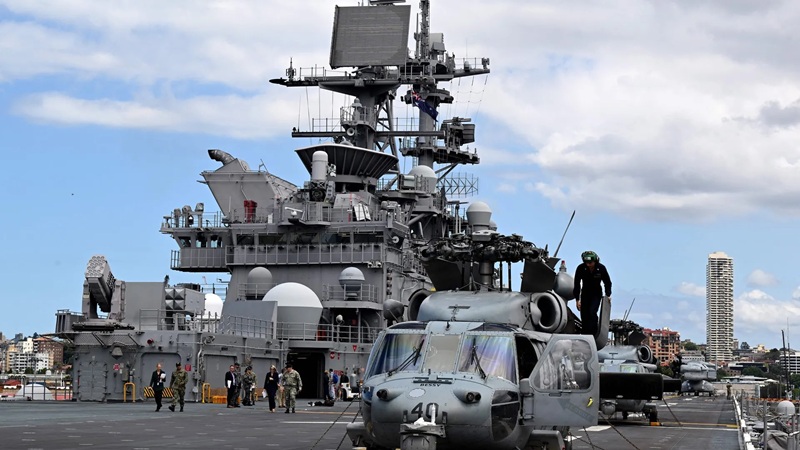
In a post on Truth Social, Trump urged countries including China, France, Japan, South Korea, and the United Kingdom to send warships to the region to ensure the safety of global shipping routes.
“Hopefully China, France, Japan, South Korea, the UK, and others… will send ships to the area so that the Hormuz Strait will no longer be a threat,” Trump wrote.
🚨Trump on Truth Social: Many Countries, especially those who are affected by Iran’s attempted closure of the Hormuz Strait, will be sending War Ships, in conjunction with the United States of America, to keep the Strait open and safe. We have already destroyed 100% of Iran’s…
— Barak Ravid (@BarakRavid) March 14, 2026
The message appears to be more than a simple request for international cooperation. Analysts suggest it may represent a strategic challenge aimed particularly at Beijing.
A Strategic Dilemma for China
China now faces a difficult decision regarding the proposal.
If Beijing sends naval forces to the region, it could be seen as joining a US-led maritime coalition. Such a move might undermine China’s diplomatic neutrality in the Iran conflict and complicate its economic ties with Tehran.
Iran has reportedly offered China preferential oil shipments and potential trade arrangements using the Chinese yuan, which could bypass the US dollar-based global financial system.
Participation in a US-led security operation could therefore weaken China’s access to discounted Iranian crude and disrupt emerging yuan-based energy trade arrangements.
Risks of Refusing the Invitation
On the other hand, refusing to participate could also damage China’s global image.
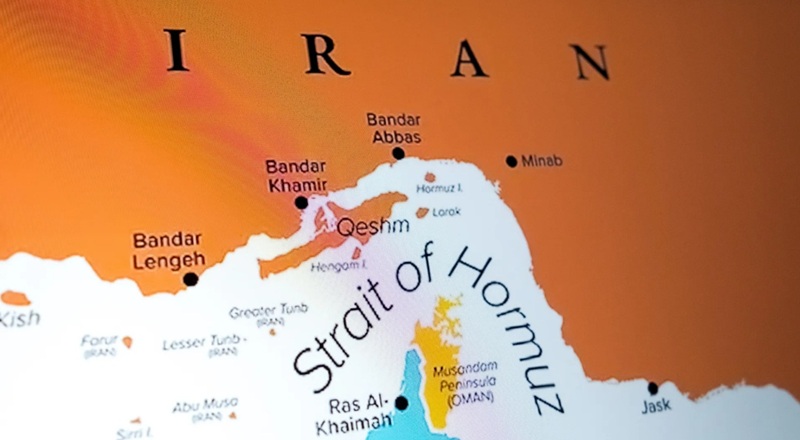
The Strait of Hormuz is one of the most critical shipping lanes in the world, carrying a large share of global oil exports. China itself relies heavily on energy imports passing through the waterway.
If Beijing declines to help secure the route, critics could accuse it of benefiting from global trade without contributing to maritime security.
Such a narrative could strengthen Washington’s argument that China is a “free rider” in international security affairs.
The Economic Stakes: Oil and Currency Competition
The debate surrounding the Strait of Hormuz also reflects broader economic competition between the US dollar and alternative financial systems.
Reports indicate that large volumes of Iranian oil have recently been shipped to China through a network of shadow tankers, with some transactions reportedly settled in yuan.
China’s Cross-Border Interbank Payment System (CIPS) has been expanding rapidly as an alternative to Western financial networks.
If energy trade through the Strait of Hormuz increasingly shifts toward yuan-based transactions, it could challenge the dominance of dollar-based oil pricing.
Security Challenges in the Strait of Hormuz
Trump’s statement also highlighted the difficulty of fully securing the waterway.
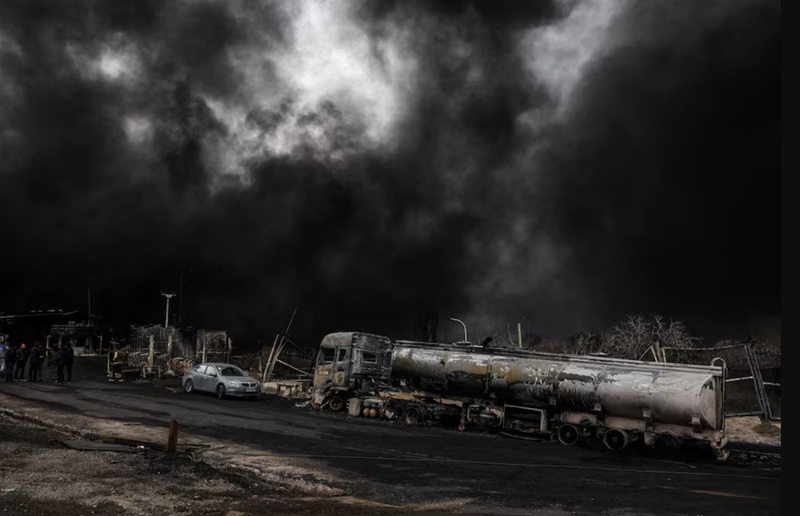
The Strait of Hormuz is a narrow maritime chokepoint where even limited attacks using drones, mines, or short-range missiles can disrupt global shipping.
Trump acknowledged that despite heavy military strikes against Iran, smaller and inexpensive weapons could still threaten vessels in the area.
This reflects a broader military reality: controlling a coastline and preventing asymmetric attacks is far more difficult than defeating conventional military forces.
Coalition or Unilateral Security?
The call for an international naval presence raises questions about how the waterway will ultimately be secured.
Several potential scenarios are being discussed by analysts:
- US-led security operations, where American naval forces escort commercial shipping.
- A multinational coalition, where several countries contribute naval assets to protect the route.
- Limited international involvement, leaving commercial shipping vulnerable to continued disruption.
Each option carries different political and economic implications.
The Future of the Strait of Hormuz
The Strait of Hormuz remains one of the most strategically important chokepoints in the global economy.
A significant portion of the world’s oil and liquefied natural gas shipments passes through the narrow waterway every day.
As the conflict involving Iran continues, the debate over securing the Strait highlights the intersection of military power, global trade routes, and international financial systems.
Trump’s call for a naval coalition has therefore become more than a military proposal—it has evolved into a test of geopolitical alignment and economic strategy among the world’s major powers.