The first days of the U.S.–Israel conflict reveal a critical reality often overlooked in discussions of modern warfare: firepower is not unlimited.
According to a detailed ledger analysis by the Payne Institute, more than 5,000 munitions were expended in just the first 96 hours, with costs estimated between $10–16 billion during that period alone.
This level of consumption is not just a statistic—it is a warning signal about the sustainability of high-intensity warfare.
Rapid Consumption, Limited Replacement
The pace of expenditure has raised serious concerns about stockpile depletion.
Key findings suggest:
- Up to one-third of certain critical munitions were used within four days
- Continued operations could push total spending to $22–30 billion within weeks
- Both offensive weapons and defensive interceptors are being consumed at high rates
Even with a reduction in incoming attacks, the burn rate remains structurally high due to the need for continuous defensive coverage.
Air Defense Systems Under Pressure
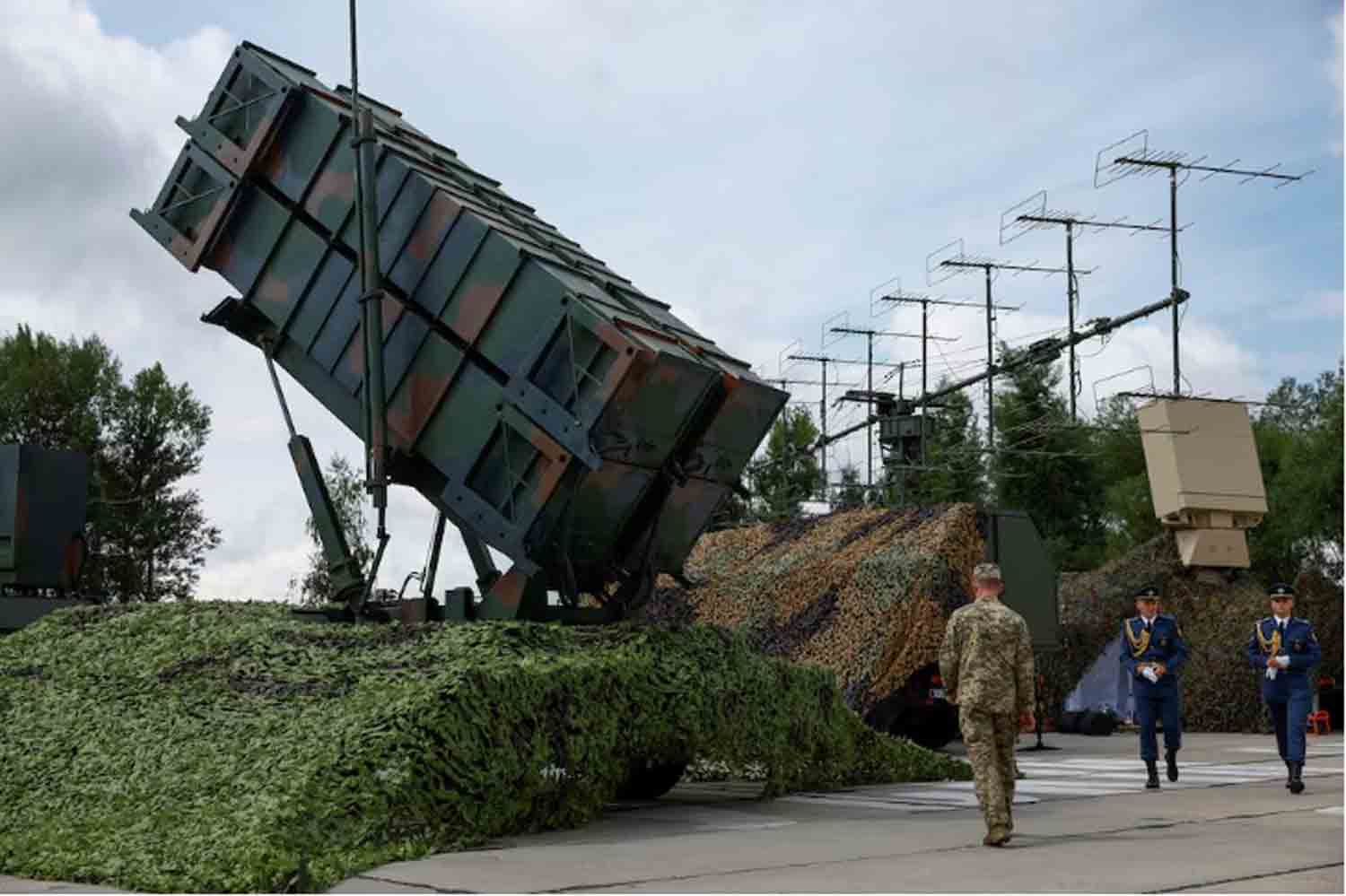
One of the most concerning aspects is the strain on missile defense systems.
Estimates indicate:
- Arrow interceptor stocks are approaching critical levels
- Other air-defense systems are also facing rapid depletion
- Interceptors are being used in large numbers to counter missiles and drones
In missile-heavy conflicts, defense can often be more expensive than offense, further accelerating consumption.
Precision Weapons Also Running Low
The issue is not limited to defensive systems.
Stocks of precision-guided munitions (PGMs) are also declining rapidly, raising concerns about the ability to sustain accurate strike operations over time.
These weapons are essential for:
- Targeting hardened or strategic infrastructure
- Minimizing collateral damage
- Maintaining operational effectiveness
The Industrial Resilience Gap
The deeper issue lies not in the battlefield, but in the industrial base.
Modern weapons production depends on complex supply chains involving:
- Rare earth minerals
- Specialized electronic components
- Explosive materials
- Advanced manufacturing facilities
These systems cannot be rapidly scaled.
Even with increased funding, production is constrained by:
- Limited factory capacity
- Long manufacturing timelines
- Dependence on global supply chains
Lessons From Previous Conflicts
This challenge is not new.
Similar issues emerged during the Ukraine war (2023–2024), when Western countries struggled to maintain ammunition supplies while supporting sustained operations.
Even before the current conflict, the United States had already begun adjusting its arms distribution due to supply limitations.
Not Just an American Problem
The supply constraint extends across the broader Western alliance.
Key challenges include:
- Limited control over critical supply chains
- Dependence on external sources for raw materials
- Insufficient capacity for prolonged high-intensity conflict
This means that shortages are not isolated—they are systemic.
A War of Stockpiles, Not Production
One of the most important strategic insights emerging from this conflict is:
In high-intensity war, initial stockpiles matter more than production capacity.
- Weapons used early cannot be quickly replaced
- Production cycles lag behind consumption
- Both sides face constraints, regardless of planning
Even Iran’s underground production systems are unlikely to keep pace with sustained usage.
Toward a Stalemate?
The convergence of factors—high consumption, slow production, and supply chain constraints—points toward a potential equilibrium.
- Neither side can sustain unlimited escalation
- Military momentum slows as stockpiles decline
- Economic and political pressures increase
This dynamic increases the likelihood of:
A prolonged stalemate
Eventual negotiation under pressure
Strategic Takeaway
The conflict highlights a fundamental shift in how wars are fought and sustained:
- Advanced weapons provide early advantages
- But industrial capacity determines long-term outcomes
Modern warfare is no longer just about technology—it is about logistics, production, and sustainability.
Conclusion
The rapid expenditure of billions of dollars in munitions within days underscores a critical limitation of modern military power.
Even the most advanced armies cannot escape the constraints of industrial production and supply chains.
As the conflict continues, the balance may not be decided solely on the battlefield—but in factories, logistics networks, and the ability to sustain the fight over time.