The escalating conflict involving Iran, Israel, and the United States has introduced a new and far more dangerous dimension: the risk of a nuclear-related catastrophe.
According to officials from the World Health Organization (WHO), preparations are underway for what is being described as a “worst-case scenario”—a potential nuclear incident triggered by strikes on Iran’s nuclear infrastructure.
What Is the “Worst-Case Scenario”?
Health officials emphasize that the concern is not limited to nuclear weapons.
The primary risk is a large-scale radioactive release resulting from damage to nuclear facilities such as:
- Natanz
- Fordow
- Isfahan
- Bushehr
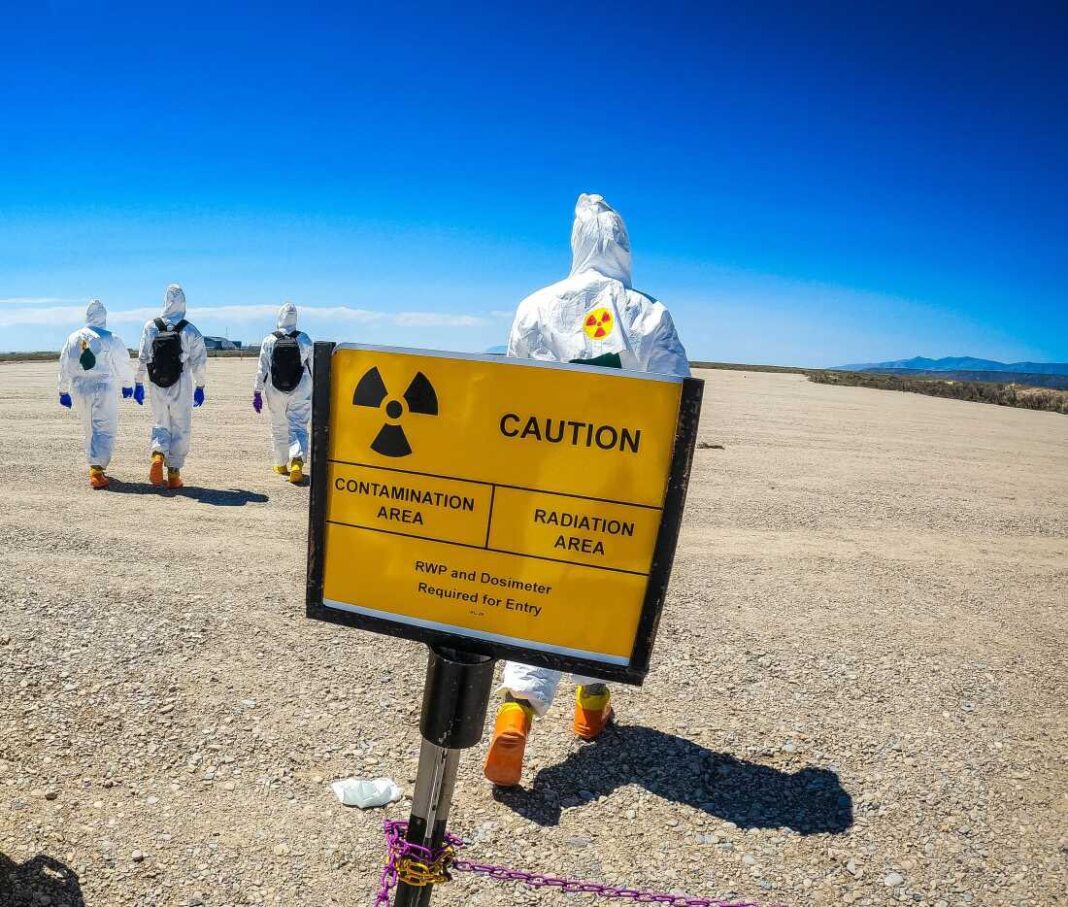
Even conventional strikes on these sites could release radioactive materials into the environment, creating a crisis similar in nature—though not necessarily scale—to past nuclear accidents.
The World Health Organization (WHO) is preparing for a nuclear catastrophe, a potential “worst-case scenario” for the Middle East, if the ongoing conflict between Iran, Israel, and the United States escalates further, sources tell Politico.
U.N. staff are monitoring the fallout… pic.twitter.com/noO0uiha5e
— OSINTdefender (@sentdefender) March 18, 2026
WHO’s Growing Concern
WHO regional leadership has confirmed that teams are actively monitoring the situation and preparing for multiple scenarios.
Officials warn that:
- The consequences of a nuclear incident would be long-lasting and widespread
- Preparedness can mitigate response—but cannot prevent the damage itself
- The impact would extend beyond national borders
The organization is preparing for a “broader” nuclear emergency, including both accidental release and deliberate escalation.
Immediate Human Impact
If a radioactive release were to occur, the effects would be immediate and severe, particularly near affected sites.
Potential consequences include:
- Acute radiation sickness
- Severe burns and injuries
- Immediate fatalities in high-exposure zones
Healthcare systems in affected areas could be rapidly overwhelmed.
Long-Term Health Effects
The longer-term consequences could persist for decades.
These may include:
- Increased rates of cancer, particularly thyroid cancer
- Genetic damage affecting future generations
- Chronic health conditions linked to radiation exposure
- Psychological trauma and long-term mental health issues
Historical precedents suggest that such effects can continue for generations.
Environmental Fallout Across the Region
Radioactive contamination would not remain confined to one location.
- Winds could carry fallout across borders
- Water sources could become contaminated
- Agricultural land could be rendered unusable
Neighboring regions—including Iraq and Gulf states—could face:
- Air and water pollution
- Food supply disruptions
- Long-term environmental degradation
Economic and Regional Consequences
Beyond health and environmental impacts, the broader consequences could be severe.
- Mass evacuations from affected zones
- Disruption to oil production and shipping
- Refugee flows across borders
- Regional economic instability
Given the Middle East’s central role in global energy markets, the impact could extend worldwide.
No Radiation Release Detected — Yet
Despite the heightened concern, officials have confirmed that no radioactive release has been detected so far.
Current efforts remain focused on:
- Monitoring potential threats
- Preparing emergency response frameworks
- Coordinating international health readiness
Strategic Reality: A Low-Probability, High-Impact Risk
The possibility of a nuclear incident remains uncertain, but its potential impact is so severe that it cannot be ignored.
This creates a classic low-probability, high-impact scenario, where:
- The likelihood may be limited
- But the consequences would be catastrophic
Conclusion
The WHO’s warning underscores a critical escalation risk in the ongoing conflict.
While current military operations are focused on conventional targets, the presence of nuclear infrastructure introduces a layer of risk that could transform a regional war into a long-term global crisis.
In such scenarios, prevention becomes far more important than response—because once a nuclear incident occurs, the damage cannot be undone.