A proposed $1.5 billion military supply agreement between Pakistan and Sudan’s Armed Forces (SAF) has been suspended, according to diplomatic sources cited by Africa Intelligence.
The deal, which had reportedly reached its final stages in early 2026, was expected to significantly boost Sudan’s military capabilities amid its ongoing internal conflict. However, a combination of regional tensions, shifting alliances, and political concerns has led to a pause in negotiations.
Saudi Arabia’s Role: From Facilitator to Skeptic
Saudi Arabia initially played a key role in facilitating the agreement, but has since stepped back due to growing distrust toward Sudan’s military leadership under Abdel Fattah al-Burhan.
Key Concerns:
- Lack of confidence in SAF as a long-term partner
- Preference for a civilian-led government in Sudan
- Frustration over unmet political and military commitments
This shift reflects a broader recalibration of Saudi policy in Sudan.
Regional Conflict Complicates the Deal
The suspension also comes against the backdrop of wider regional instability, particularly:
- The ongoing war involving Iran
- Drone attacks targeting Gulf states
- Increased pressure on Saudi Arabia’s security posture
These developments have forced Riyadh to prioritize strategic caution over military expansion partnerships.
Islamist Ties Raise Alarm Among Allies
Another major factor behind the suspension is concern over Sudan’s alleged links to Islamist networks.
- The Port Sudan-based government has reportedly failed to fully sever ties with radical Islamist elements
- This has caused friction with key regional partners, including Egypt
Such concerns have made international backers more hesitant to deepen military cooperation.
Failed Commitments Undermine Confidence
Diplomatic sources indicate that Sudan’s armed forces have struggled to deliver on:
- Military coordination promises
- Political reform expectations
This has contributed to growing disillusionment among allies, further weakening support for the deal.
What the Deal Included
The agreement aimed to significantly modernize Sudan’s military capabilities with Pakistani systems, including:
Air Power
- K-8 trainer/light attack aircraft
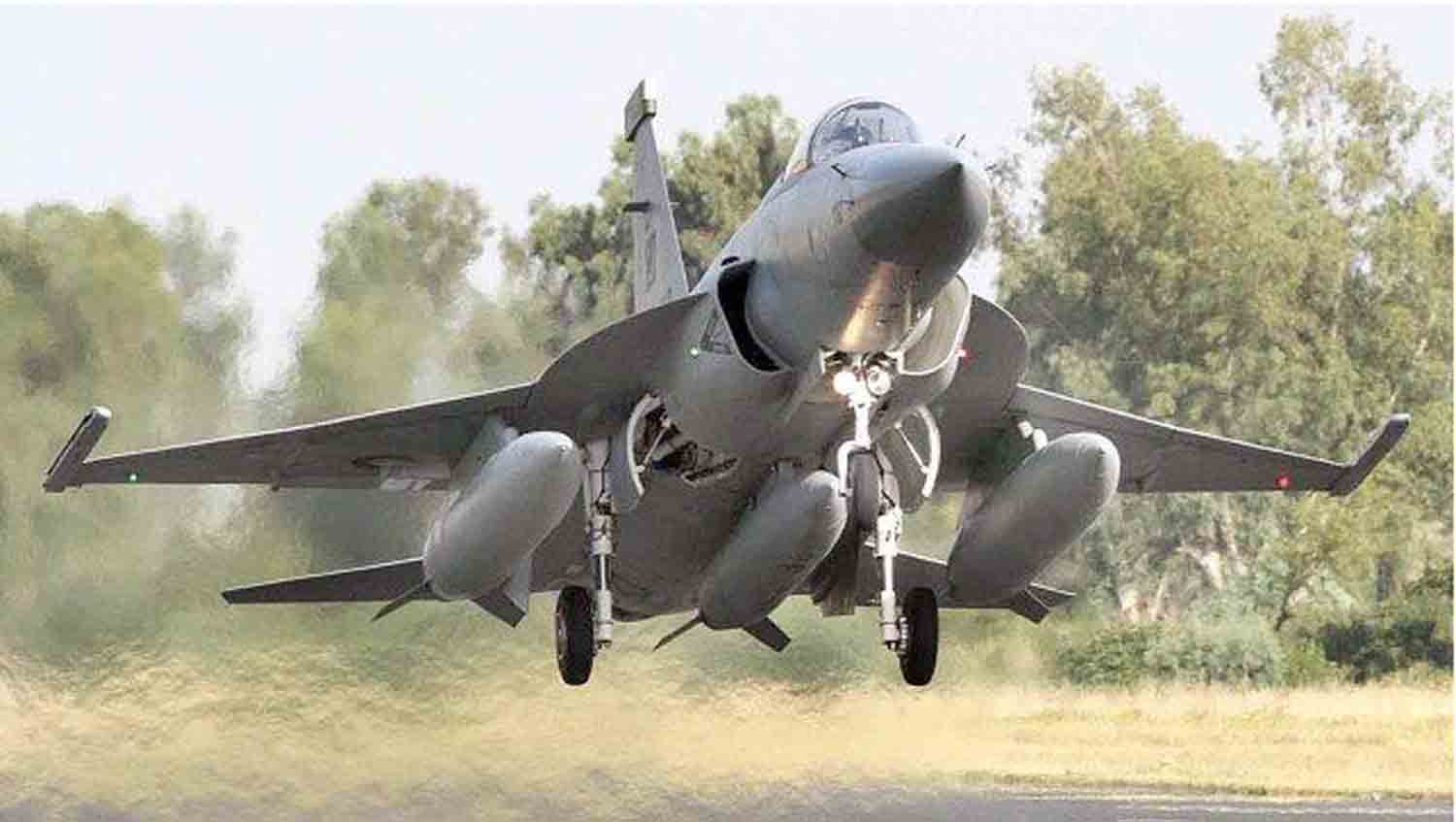
- Potential acquisition of JF-17 fighter jets
Drone Warfare
- Unmanned aerial systems for surveillance and combat
Air Defense
- Modern air defense systems to counter aerial threats
These assets were intended to strengthen the SAF in its fight against the Rapid Support Forces (RSF).
Broader Trend: Pakistan’s Arms Expansion Slows
The Sudan deal is not an isolated case.
Reports indicate that a separate $4 billion military agreement with Libyan commander Khalifa Haftar has also been suspended.
Implication:
- Pakistan’s planned expansion of arms exports in Africa and the Middle East is facing setbacks
- Regional instability and political risks are reshaping defense partnerships
Strategic Implications
For Sudan:
- Delays in military modernization
- Reduced external support
- Potential shift in battlefield dynamics
For Pakistan:
- Slower growth in defense exports
- Increased exposure to geopolitical risk
For the Region:
- Greater uncertainty in alliances
- Continued instability in Sudan and Libya
- Increased influence of external powers
Conclusion
The suspension of the Pakistan–Sudan arms deal highlights how rapidly shifting geopolitical dynamics can disrupt even advanced-stage agreements.
With Saudi Arabia reassessing its role, regional conflicts intensifying, and political concerns mounting, the deal’s future remains uncertain.
The development underscores a broader trend:
Military partnerships are increasingly shaped not just by capability needs, but by political alignment and strategic trust.