While missiles fly and fleets reposition across the Middle East, a parallel story is unfolding far from the battlefield—inside diplomatic channels stretching from Islamabad to Ankara, Cairo, and Muscat.
According to multiple sources familiar with the discussions, a multi-country backchannel network is now actively trying to engineer a pathway out of the US–Iran war.
There are no formal negotiations. No official tables. No joint statements.
But there are messages—moving constantly.
Islamabad: The Emerging Nerve Center
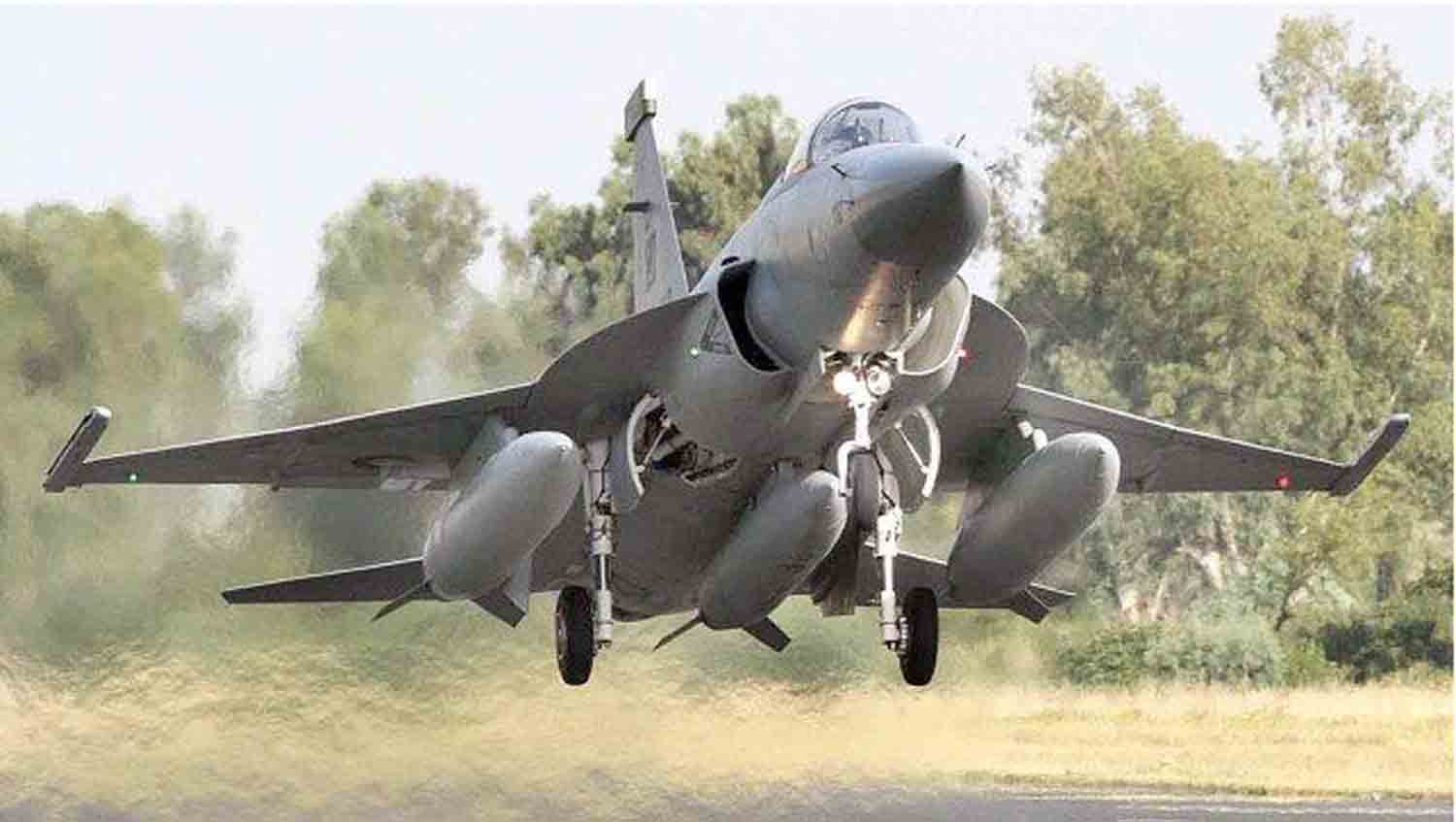
At the center of this effort is Pakistan.
In recent days, Islamabad has quietly positioned itself as the primary conduit between Washington and Tehran, with officials relaying proposals, conditions, and signals between the two sides.
Sources say there is now a serious proposal to host a high-level meeting in Islamabad, potentially involving senior US and Iranian representatives later this week.
Behind the scenes, Pakistan’s role is not accidental:
- It maintains working ties with both capitals
- Shares a sensitive border with Iran
- Depends heavily on Hormuz for energy
For Islamabad, this is not just diplomacy—it’s national interest.
A Web of Mediators, Not a Single Channel
This is not a traditional negotiation.
Instead, it’s a distributed diplomatic network:
Turkey
Actively calling counterparts across the region, including Iran, the US, and Egypt. Ankara is acting as a connector, ensuring messages don’t stall.
Egypt
Working quietly to align Arab positions and prevent the conflict from spilling further into the region.
Oman
Operating in its familiar role as a silent intermediary, passing messages back and forth—especially on the sensitive issue of the Strait of Hormuz.
Each country is handling a different piece of the puzzle.
Together, they form a redundant communication system—if one channel fails, another carries the message forward.
The Messages: Testing, Not Negotiating
Despite the activity, sources stress a key point:
These are not negotiations yet.
They are tests.
Messages being exchanged focus on:
- What each side might accept
- What is completely off the table
- Whether a deal is even possible
At the center of this is a reported 15-point framework, passed to Iran through Pakistan.
But insiders say several points are “next to impossible” for Tehran to accept.
Confusion Is Part of the Process
Publicly, both sides deny or downplay the talks.
- Tehran insists no negotiations are happening
- Washington offers only vague confirmations
This is not a contradiction—it’s part of the process.
In backchannel diplomacy:
- Plausible deniability is essential
- Leaders avoid committing publicly before knowing outcomes
- Messages can be explored without political cost
Why Multiple Channels Matter
One regional source explains the strategy:
The US is using multiple countries to reach multiple power centers inside Iran
This matters because:
- Decision-making in Tehran is fragmented
- No single figure fully controls the system
- Messages must reach all relevant actors
This is why the same proposal may be sent through Pakistan, Oman, and Turkey simultaneously.
Pressure Behind the Diplomacy
This surge in diplomacy did not happen in a vacuum.
It was triggered by rising alarm among Gulf states, who warned that:
- Strikes on civilian infrastructure could escalate uncontrollably
- Energy systems—and even water supplies—could collapse
These warnings forced a recalculation.
Diplomacy became urgent—not optional.
Meanwhile, the War Continues
Even as messages are exchanged:
- Military deployments are expanding
- Forces continue to move into the region
- Strike capabilities remain active
This creates a paradox:
Talks are happening in parallel with escalation
This is not unusual.
It’s how modern conflicts are managed.
No Deal Yet—Just Possibility
Despite the flurry of activity, insiders are clear:
- No proposal has reached a final stage
- No agreement has been accepted
- No timeline is guaranteed
As one source put it:
“Diplomacy is fluid. Nothing has matured yet.”
The Real Question
The key issue now is not whether messages are being exchanged.
They are.
The real question is:
Can this fragmented, multi-channel diplomacy evolve into a single, coherent negotiation?
Conclusion
Behind the headlines of war, a quieter battle is underway—one fought with messages, intermediaries, and careful signals.
Pakistan, Turkey, Egypt, and Oman are not just mediators.
They are the infrastructure of diplomacy in a conflict where direct talks remain impossible.
Whether this network can produce a breakthrough—or simply delay escalation—remains uncertain.
But for now, it is the only bridge that exists.