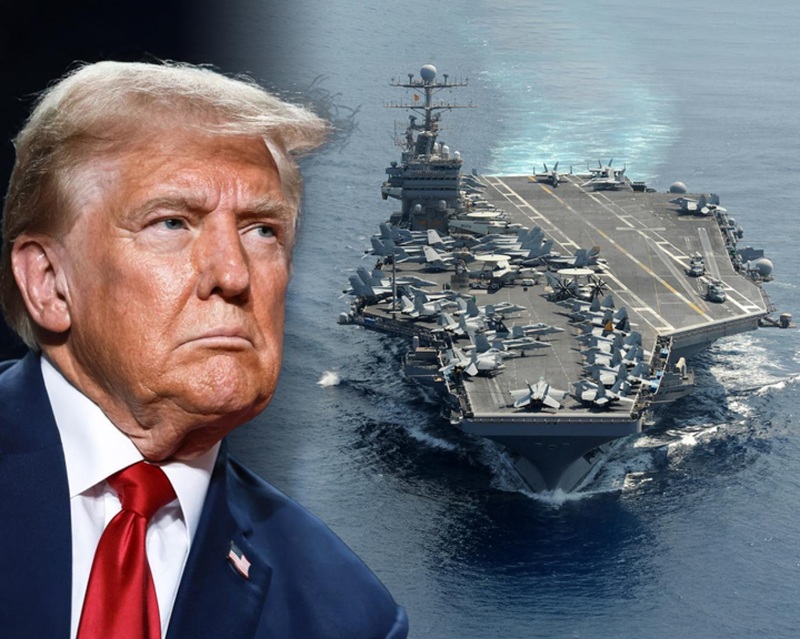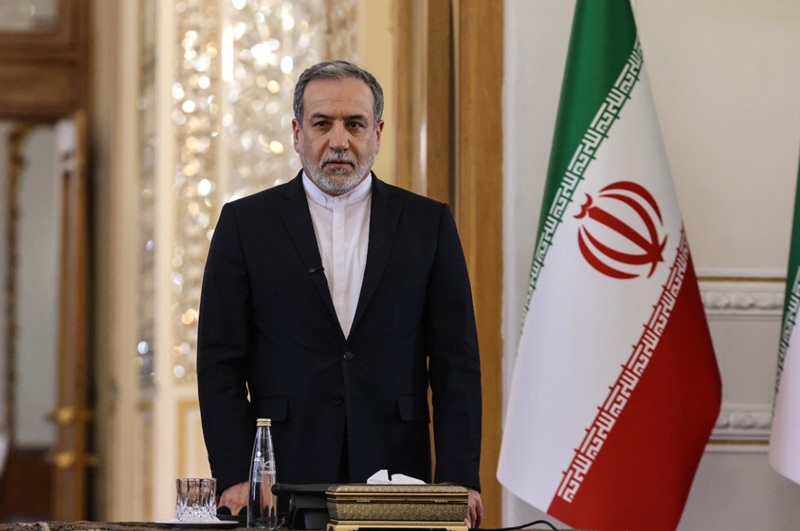
Iran has significantly hardened its negotiating stance since the start of the war, with the Islamic Revolutionary Guard Corps (IRGC) gaining increased influence over national decision-making.
According to senior sources in Tehran, any potential negotiations with the United States will come with strict conditions and major demands, many of which are likely to be unacceptable to Washington.
Key Iranian Demands in Potential Negotiations
If talks move forward, Iran is expected to demand:
Core Conditions:
- Immediate end to the war
- Guarantees against future US or Israeli military action
- Compensation for wartime damages
- Recognition of Iran’s control over the Strait of Hormuz
These demands represent a significant escalation in Iran’s diplomatic posture and would likely cross key red lines for Donald Trump.
Missile Program Remains Non-Negotiable
Iran has made it clear that it will not negotiate limitations on its ballistic missile program.
- This has been a longstanding red line for Tehran
- The issue was already a major sticking point in pre-war negotiations
Analysts say Iran views its missile capability as essential for deterrence, especially after recent strikes.
No Direct Talks Yet, Only Backchannel Contacts
Despite claims of progress by Washington, Iran has publicly denied any direct negotiations.
Current Situation:
- Only preliminary discussions through mediators
- Countries involved:
- Pakistan
- Turkey
- Egypt
- Gulf states
A European official confirmed that these countries are relaying messages, but formal talks have not yet begun.
Islamabad Emerging as Possible Venue
Sources indicate that direct talks could take place in Islamabad, potentially within days.
Possible Iranian Delegation:
- Parliament Speaker Mohammad Baqer Qalibaf
- Foreign Minister Abbas Araqchi
However, final decision-making authority remains with the IRGC, reflecting the growing dominance of hardline عناصر (elements) within Iran’s system.
Israel and US Skepticism Over Deal Prospects
Senior Israeli officials believe a deal is unlikely because:
- US demands would include:
- Ending Iran’s missile program
- Rolling back nuclear capabilities
These are conditions Iran is unlikely to accept
Hormuz and Missiles: Iran’s Strategic Leverage
Iran’s strongest bargaining tools in the conflict have been:
Strait of Hormuz Control
- Critical chokepoint for:
- ~20% of global oil
- LNG shipments
Ballistic Missile Capability
- Ability to strike regional targets
- Key deterrence asset
Giving up these capabilities would leave Iran strategically vulnerable
The Core Conflict (Why Talks Are Stuck)
| Issue | US Position | Iran Position |
|---|---|---|
| Nuclear Program | Must end | Strategic necessity |
| Missiles | Must be limited | Non-negotiable |
| Hormuz | Free navigation | Iranian leverage/control |
| Security Guarantees | Not offered | Mandatory demand |
| War Outcome | Reduce Iran power | Preserve deterrence |
Trust Deficit Undermines Negotiations
Iranian leadership is also deeply skeptical of future agreements due to:
- Previous negotiations followed by military strikes
- Continued Israeli operations in:
- Lebanon
- Gaza
This has reinforced a perception that:
Agreements with the US and its allies may not be reliable
Domestic Factors Strengthening Hardline Position
Internal dynamics in Iran are further limiting flexibility:
Key Factors:
- Increased power of the IRGC
- Leadership uncertainty under new Supreme Leader Mojtaba Khamenei
- Strong public narrative of resistance during the war
These factors make it politically difficult for Tehran to appear weak in negotiations
Strategic Outlook: A Narrow Path to Diplomacy
The combination of:
- Hardline demands
- Strategic mistrust
- Domestic pressure
means that any negotiations will face significant obstacles.
Even if talks begin, reaching a comprehensive agreement will be extremely challenging.
Conclusion
Iran’s hardened negotiating stance signals that any potential talks with the United States will be complex, prolonged, and highly contentious.
With demands centered on security guarantees, economic compensation, and control over strategic assets like the Strait of Hormuz, Tehran is entering diplomacy from a position of defiance rather than compromise.
The gap between US expectations and Iranian demands suggests that diplomacy, if it begins, will be difficult and uncertain.