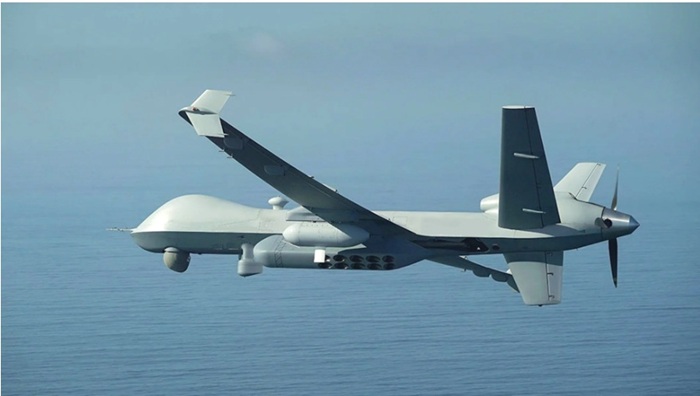
The United States has reportedly lost 24 MQ-9 Reaper drones in just six weeks, marking one of the most severe attrition events in the history of modern unmanned warfare and raising urgent questions about the survivability of legacy surveillance drones in contested airspace.
With an estimated unit cost of $30 million per aircraft, the confirmed losses amount to roughly $720 million, excluding the cost of satellite bandwidth, ground control infrastructure, munitions, contractor support, and operational personnel.
The scale of the losses suggests that Iran’s layered air-defense network is imposing significant costs on U.S. intelligence, surveillance, and reconnaissance operations.
🇺🇸 BREAKING: The U.S. has lost 24 MQ-9 Reaper drones in the Iran conflict, including 8 since April, marking a total estimated loss of $720 million.
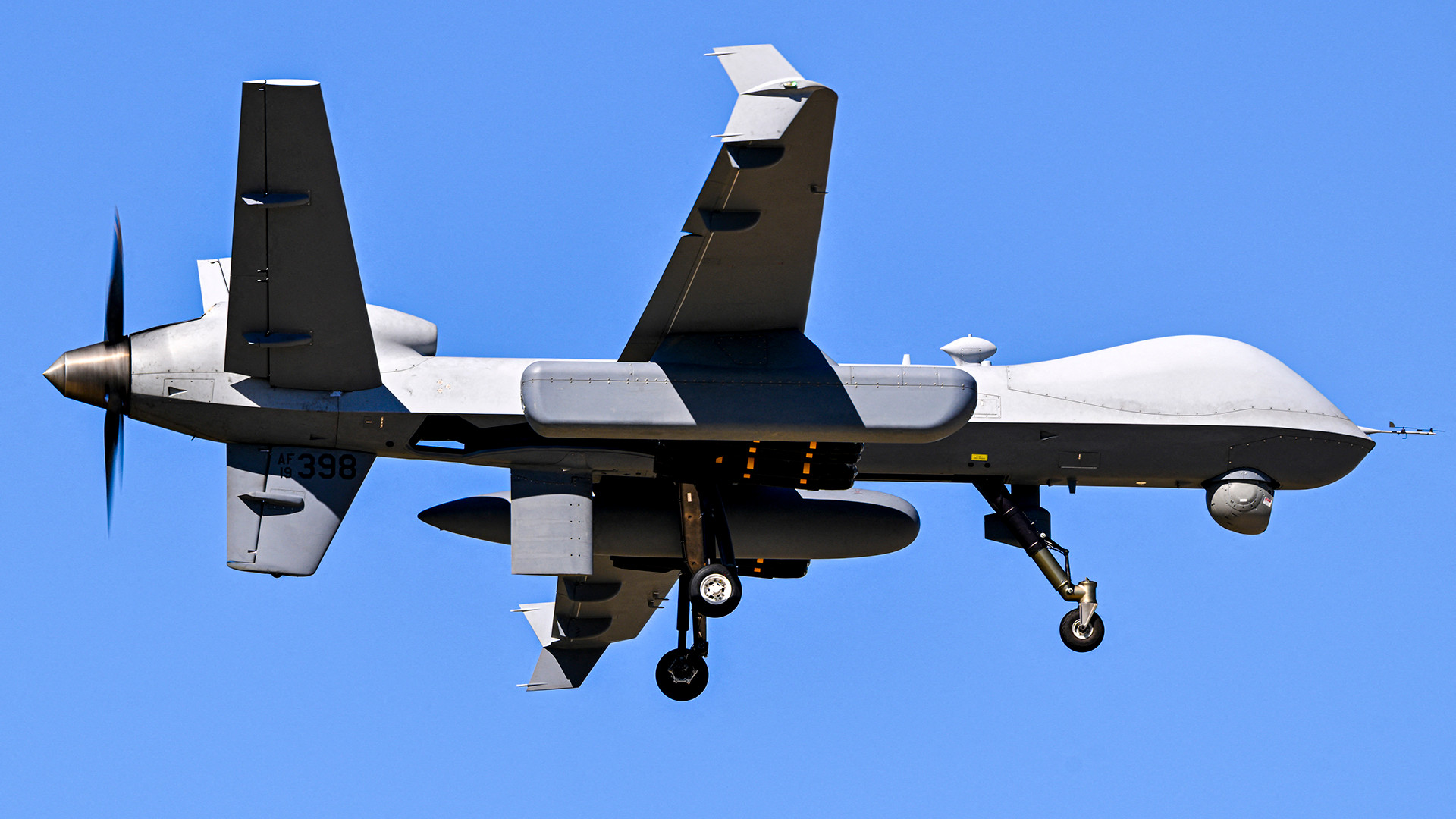
The MQ-9 Reaper is one of America’s key surveillance and strike drones, heavily used across the region.
Source: CBS News report pic.twitter.com/xO6evg2tro
— Defence Index (@Defence_Index) April 10, 2026
Iran’s Air Defenses Are Reshaping the Battlefield
The MQ-9 Reaper has long been the backbone of America’s ISR architecture across the Middle East, North Africa, and Central Asia.
General Atomics MQ-9 Reaper
Originally designed for permissive environments such as Iraq, Afghanistan, Syria, and Somalia, the platform excelled against insurgent groups lacking advanced radar and missile systems.
Iran presents a fundamentally different challenge.
According to the report, Tehran’s defensive network includes:
- Bavar-373
- Khordad missile system
- mobile medium-range interceptors
- passive sensor networks
- electronic warfare units
This layered anti-access and area-denial architecture has reportedly evolved into a functioning shield capable of tracking and engaging slow, predictable, and non-stealthy aerial targets.
Why the MQ-9 Is Vulnerable
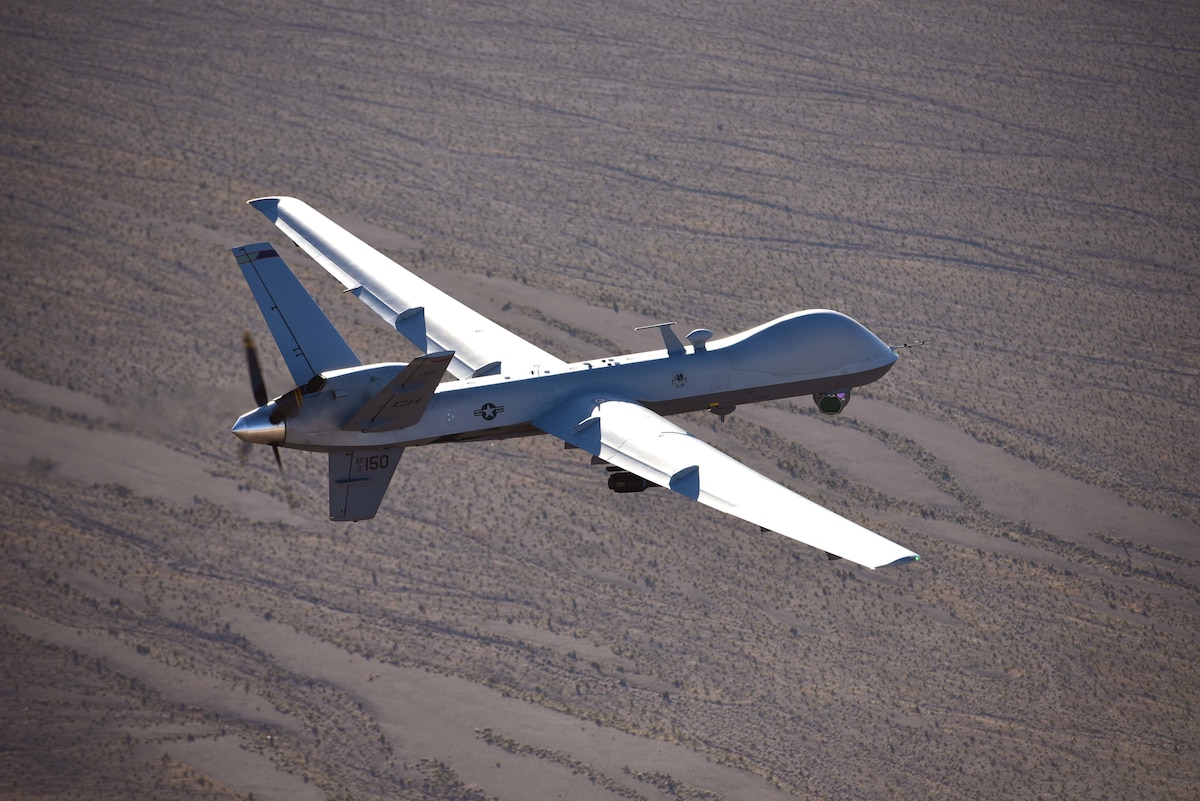
The losses highlight structural vulnerabilities in the Reaper’s design when facing peer-level air defenses.
Unlike stealth aircraft, the MQ-9 has:
- a relatively large radar signature
- limited maneuverability
- predictable loitering patterns
- heavy reliance on satellite communications
These characteristics make it especially vulnerable to modern missile envelopes and electronic attack.
Several analysts believe some of the losses may have involved a combination of jamming, data-link interference, and missile engagement, rather than purely kinetic shootdowns.
This matters because it suggests that Iran’s defenses are integrating radar, electronic warfare, and mobile launch systems into a more sophisticated operational network.
A Major Hit to America’s Drone Fleet
The U.S. military is estimated to operate around 300 MQ-9 Reapers, meaning the reported loss of 24 aircraft represents roughly 8% of the total fleet in a single conflict.
That is a significant proportional reduction.
Replacing those aircraft will place added pressure on General Atomics, particularly as defense manufacturers continue to face supply-chain constraints.
The losses also carry global implications.
MQ-9 fleets remain heavily tasked across:
- the Red Sea
- Indo-Pacific
- Eastern Europe
- counterterrorism missions
- maritime surveillance
Any diversion of replacement airframes toward the Iran theater could affect U.S. operations elsewhere.
Strategic and Psychological Impact
The damage is not only financial.
Each lost Reaper reduces surveillance density over critical targets such as missile launchers, logistics corridors, and force movements.
That creates intelligence gaps precisely when battlefield conditions are most volatile.
At the same time, repeated interceptions strengthen Iran’s deterrence narrative by demonstrating that even technologically superior forces can be made to pay substantial costs.
This psychological effect can influence both military planning and diplomatic calculations.
Wider Lessons for Future Wars
The broader lesson extends far beyond the Middle East.
Military planners in NATO and the Indo-Pacific are likely studying these losses closely.
Potential adversaries such as China, Russia, and North Korea field even denser integrated air-defense systems with longer detection ranges and more advanced electronic warfare capabilities.
This is likely to accelerate investment in:
- stealthier drones
- collaborative swarming systems
- stand-off ISR platforms
- AI-enabled autonomous operations
The reported destruction of 24 Reapers may ultimately be remembered as a turning point — the moment when the assumption of uncontested drone dominance began to collapse.