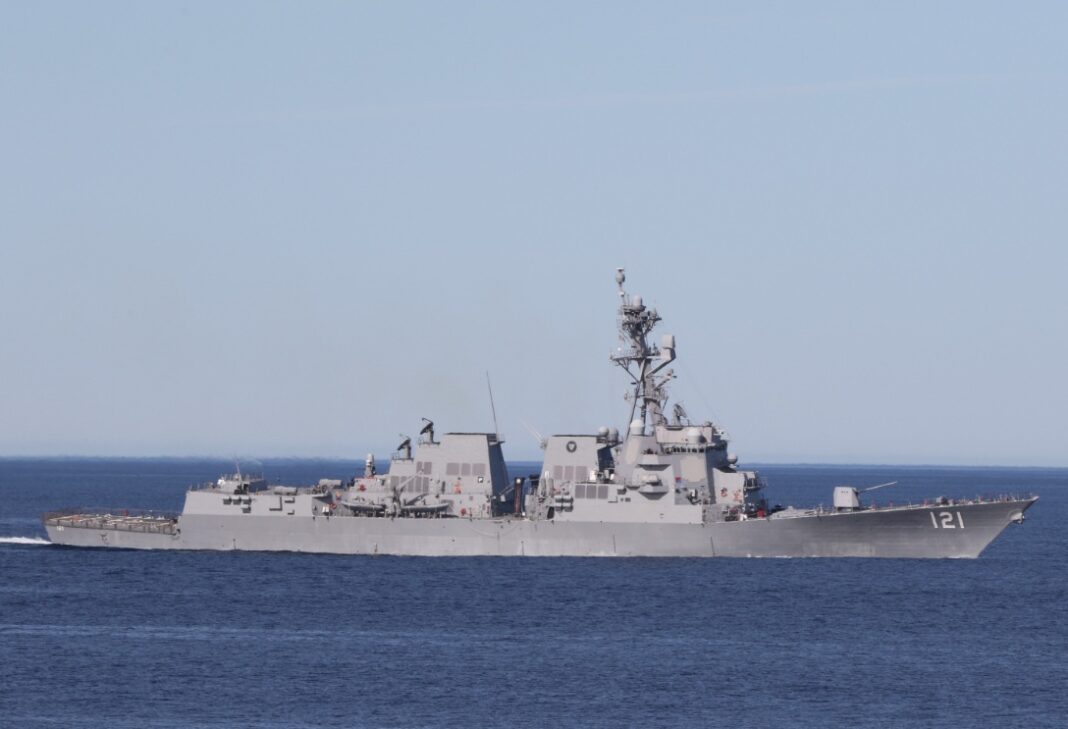
After the collapse of the latest negotiations in Islamabad, President Trump announced a dramatic escalation in the Gulf crisis, ordering the United States Navy to begin the process of blockading vessels entering or leaving the Strait of Hormuz.
In a strongly worded public statement, Trump declared:
“Effective immediately, the United States Navy, the Finest in the World, will begin the process of BLOCKADING any and all Ships trying to enter, or leave, the Strait of Hormuz.”
He further ordered the interdiction of vessels that paid tolls to Iran, confirmed the destruction of Iranian sea mines, and warned that any Iranian forces opening fire would be, in his words, “blown to hell.”
The move marks a major escalation in the already fragile US-Iran confrontation and raises the possibility of a wider military conflict across the Gulf region.
Strait of Hormuz Tensions Threaten Global Oil Markets
The Strait of Hormuz remains one of the world’s most important maritime chokepoints, carrying roughly one-fifth of global oil shipments.

Any disruption in the waterway is likely to trigger an immediate rise in:
- global crude oil prices
- LNG shipping costs
- marine insurance premiums
- Asian energy import expenses
Asian economies, particularly those heavily dependent on Gulf energy supplies, would face significant second- and third-order economic shocks if shipping through Hormuz is interrupted.
Iran Unlikely to Back Down
Strategic assessments suggest that Tehran is unlikely to retreat under direct military pressure.
Instead, Iran may seek to test U.S. resolve by targeting American naval assets, commercial tankers, or regional energy infrastructure.
Potential flashpoints include:
- attacks on US warships in the Gulf
- disruption of tanker traffic
- strikes on Gulf oil facilities
- action near the Bab el-Mandeb Strait
- pipeline attacks designed to bypass Hormuz
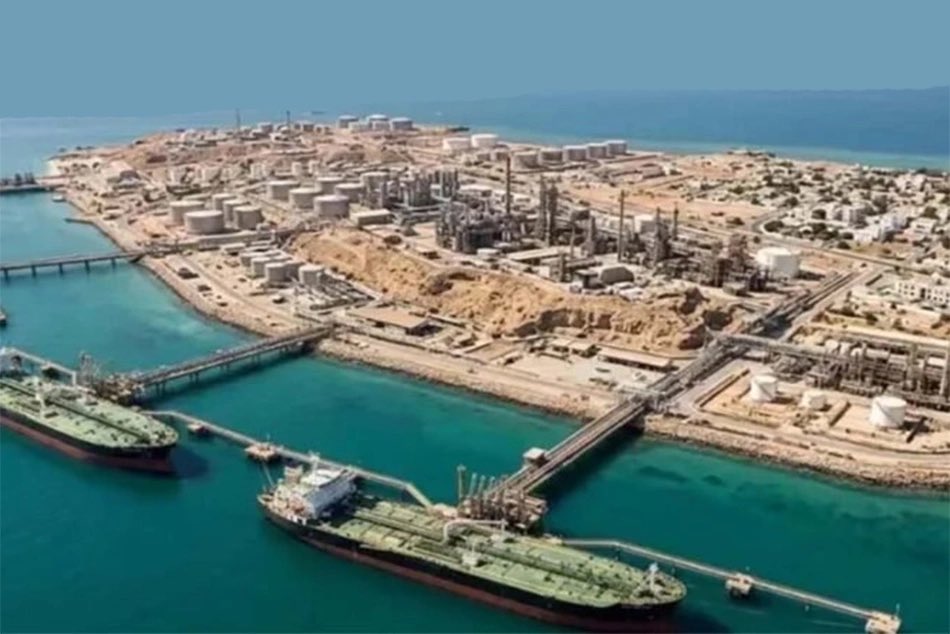
Iran may also attempt to continue exports through alternative routes such as the Jask terminal, while broadening retaliation under what analysts describe as an “oil for oil, power for power” doctrine.
Strategic Deadlock Between Washington and Tehran
The deeper issue now appears to be a growing strategic deadlock.
Washington seems to have entered the Islamabad talks assuming sustained military pressure had weakened Tehran enough to force concessions on:
- uranium enrichment
- freedom of navigation
- maritime security
However, Iran’s perception appears fundamentally different.
From Tehran’s perspective, it has:
- absorbed military strikes
- preserved regime resilience
- demonstrated retaliatory capability
- avoided appearing weakened
This divergence in strategic perception now lies at the center of the diplomatic breakdown.

Washington Faces Difficult Choices
The options now facing the United States remain deeply problematic.
1. Return to Negotiations
Renewed diplomacy risks reproducing the same deadlock, with neither side willing to compromise on core demands.
2. End the Confrontation Without a Deal
A de-escalation without visible gains may be perceived as weakness and could undermine U.S. deterrence.
3. Military Escalation
Further escalation carries the highest risks.
Large-scale strikes on Iranian infrastructure may impose costs, but they are unlikely to produce decisive strategic outcomes.
Instead, they risk triggering:
- retaliation against US assets
- Israeli targets
- Gulf allies
- broader energy market disruption
In short, escalation may restore tactical leverage but not necessarily deliver a strategic breakthrough.
Political Constraints Increase Pressure on Washington
Washington also faces growing political and strategic time pressure.
Key upcoming events may limit appetite for a prolonged conflict:
- major diplomatic engagements with China
- the approaching Soccer World Cup
- looming midterm elections
- rising economic concerns linked to oil prices
A ground invasion or prolonged military campaign would require months of preparation and carry significant political risk.
These constraints leave the United States in what increasingly looks like a strategic entanglement rather than a tactical confrontation.

No Clear Winner in a Hormuz Conflict
At this stage, the crisis appears to be moving toward a lose-lose scenario.
While Iran would likely absorb significant economic and military damage, Gulf states, energy markets, and the global economy would also suffer severe consequences.
There is no clear winner — only varying degrees of loss.