In a significant development amid worsening tensions with Pakistan, a nationwide assembly of Afghan clerics convened under the Taliban’s interim government has approved a resolution declaring that no Afghan citizen is permitted to take part in military activities abroad.
The gathering, held Wednesday in Kabul, brought together dozens of religious scholars from across Afghanistan. Senior Taliban officials — including Chief Justice of the Supreme Court Maulvi Abdul Hakim Haqqani, Minister for the Promotion of Virtue and Prevention of Vice Muhammad Khalid Hanafi, and Minister of Higher Education Nida Mohammad Nadim — also attended.
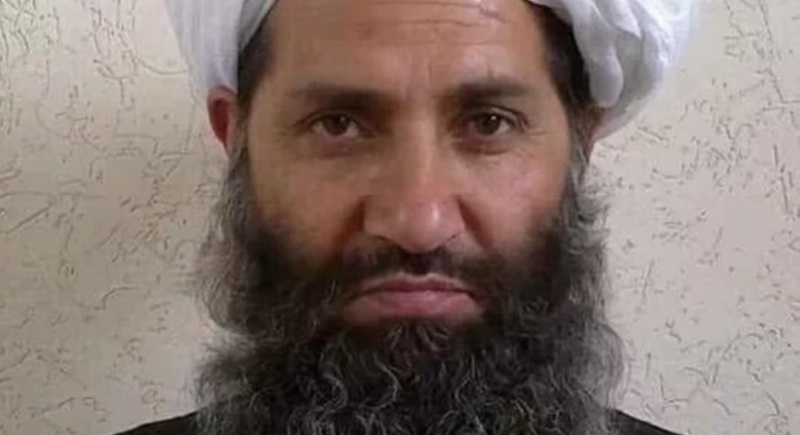
A two-page, five-point resolution was unanimously endorsed at the conclusion of the meeting. A copy obtained by the BBC states that Taliban Supreme Leader Hibatullah Akhundzada has not granted permission to any Afghan to engage in military operations outside the country, and any violation of this directive “is not permissible.”
The resolution further urges the Taliban interim government to take concrete steps to stop Afghans from joining conflicts abroad.
Context: Pakistan–Afghanistan Relations at Their Lowest Point
The clerics’ declaration comes at a time of deepening friction between Kabul and Islamabad.
Despite repeated demands, the Afghan Taliban have been unable — or unwilling — to stop cross-border attacks by the Tehrik-i-Taliban Pakistan (TTP). These tensions have resulted in armed clashes along the border and the prolonged closure of key crossings for nearly two months.
Multiple rounds of talks between Pakistani officials and the Taliban government — held in Doha, Istanbul and Riyadh — have failed to produce consensus on how to deal with the TTP. Pakistan has been calling on the Taliban to issue a clear religious decree against the group’s activities, but Kabul insists the matter is an “internal issue” for Pakistan.
Highlights of the Resolution: ‘Sacred Jihad’ if Afghanistan Is Attacked, but No Fighting Abroad
The resolution’s second clause states that fighting against foreign aggression on Afghan soil is both a religious obligation and a “sacred jihad.”
It continues:
“If anyone attacks Afghanistan or violates the sanctity of Muslims, all Afghans are duty-bound to defend their system, territory and values, and this defense shall be considered sacred jihad.”
Another key clause reiterates that Afghans cannot travel to other countries to take part in militancy — a point Afghan analysts believe is indirectly linked to Pakistan’s concerns.
Who Attended the Clerics’ Conference?
Organizers said each provincial Ulema Council sent at least three members, all personally appointed by Taliban leader Hibatullah Akhundzada.
The attendees included religious figures from the Ministry for the Promotion of Virtue, the Ministry of Education, the Ministry of Hajj and Religious Affairs, and the Supreme Court.
Observers note that while such resolutions do not always translate into strict enforcement, the Taliban typically use religious bodies to send signals to fighters and the public — particularly regarding groups like the TTP or foreign militant elements historically present in Afghanistan.
Implications: A Message to Afghans — and Possibly to Pakistan
Although the resolution does not name Pakistan or the TTP, analysts say its practical focus is unmistakable.
Analysis by Tahir Khan
Tahir Khan, an expert on Afghan affairs, told the BBC:
- Pakistan’s demand for a fatwa appears to have influenced this latest resolution.
- However, it is too soon to say whether it will reduce militant attacks inside Pakistan.
- A similar religious decree issued in 2023, endorsed by Akhundzada, did coincide with a drop in attacks at the time.
He added that recent signs of Afghan citizens’ involvement in attacks inside Pakistan are also troubling for Kabul, as some non-state Afghan Taliban members — motivated by ideology or personal ties — have joined the TTP.
Analysis by Iftikhar Firdous
Journalist and Khorasan Diary editor Iftikhar Firdous said:
- The resolution contains nothing fundamentally new; the Taliban have expressed these positions before.
- Without naming the TTP, it is unclear whether Pakistan will see direct benefit.
- Still, this could pave the way for another, more explicit directive targeting groups operating from Afghanistan.
He also noted that the clause on responding forcefully to foreign aggression may be a reference to recent Pakistani strikes inside Afghanistan, which Islamabad has justified as counterterrorism operations.
The Fatwa Issue Remains a Sticking Point
During bilateral talks following recent border clashes, Afghanistan’s deputy interior minister Rahmatullah Najib told Pakistani officials that:
- A fatwa is issued by the Darul Ifta, not the government.
- Pakistan should submit a formal request — but cannot dictate what the fatwa must say.
Pakistan’s Minister of State for Interior Talal Chaudhry responded by accusing the Taliban of avoiding a clear statement against the TTP because they “use them.”
Analysts say Pakistan wants a religious decree to undermine the ideological justification of TTP militants — many of whom swear allegiance to Akhundzada — in hopes of weakening their operational and moral standing.
Looking Ahead
Afghanistan’s resolution appears to attempt a balancing act: addressing Pakistani concerns, controlling Afghan fighters’ involvement abroad, and consolidating public support against any future foreign attack.
But whether this move will ease tensions or curb militancy remains uncertain.
For now, the clerics’ decision underscores how deeply the Taliban government is entangled in Pakistan’s security calculus — and how limited the prospects remain for a breakthrough in bilateral relations.