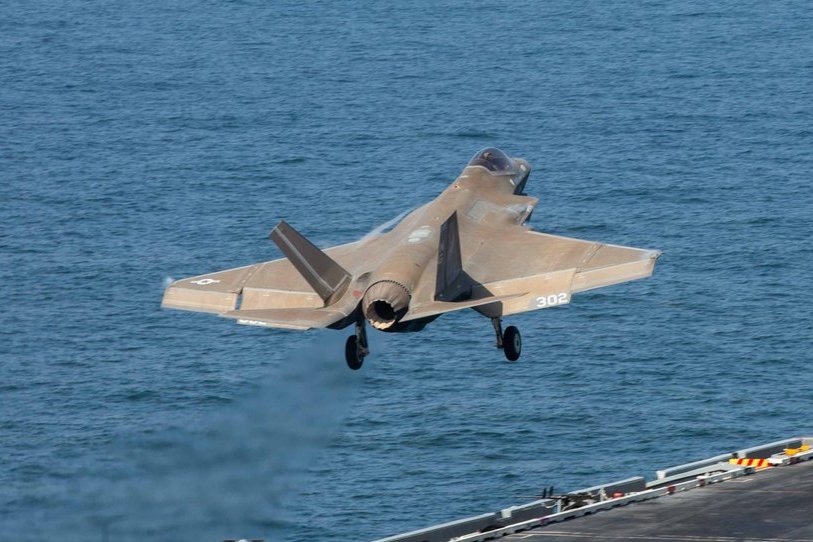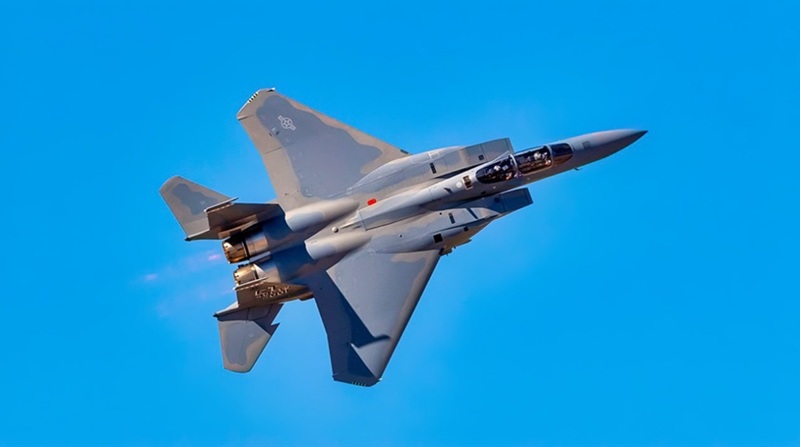
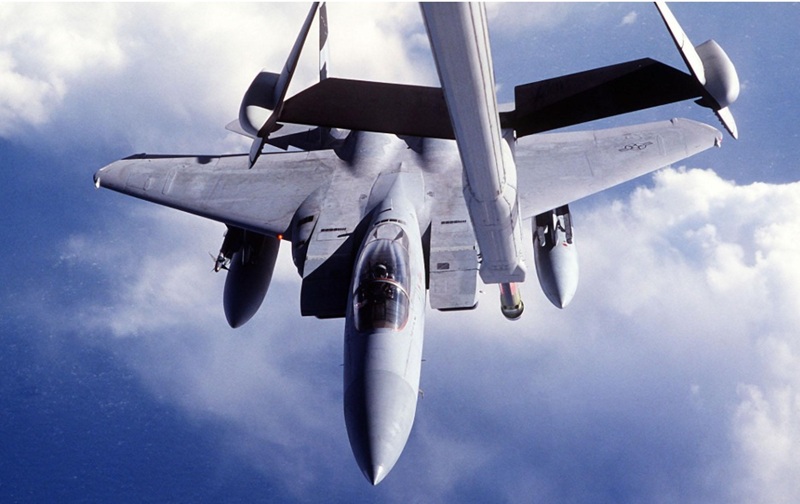
U.S. Central Command (CENTCOM) has confirmed that three American F-15E Strike Eagle fighter jets were mistakenly shot down by Kuwaiti air defense systems during active combat operations late March 1.
In an official press release issued from Tampa, Florida, CENTCOM stated that at 11:03 p.m. ET on March 1, three F-15E Strike Eagles flying in support of Operation Epic Fury went down over Kuwait due to an apparent friendly fire incident.
What Happened?
According to CENTCOM, the incident occurred during intense combat operations that included:
- Iranian aircraft activity
- Ballistic missile launches
- Drone attacks
Amid the fast-moving engagement, Kuwaiti air defense systems mistakenly identified the U.S. fighter jets as hostile threats and fired on them.
The statement confirms:
“During active combat—that included attacks from Iranian aircraft, ballistic missiles, and drones—the U.S. Air Force fighter jets were mistakenly shot down by Kuwaiti air defenses.”
All Six Aircrew Survived
So there were multiple US F-15 got shot down over Kuwait today. 3 pilots taken in custody by Kuwaiti Authorities.
Even the Kuwaiti Army has confirmed that multiple US jets Crashed today! https://t.co/MGvHdwDjak pic.twitter.com/goCsBmbPcu
— AM Raad (@Raad_Pak) March 2, 2026
Each F-15E carries two crew members. CENTCOM confirmed that:
- All six aircrew successfully ejected
- All personnel were safely recovered
- All are currently in stable condition
The command expressed gratitude to Kuwaiti defense forces for their recovery efforts and continued operational cooperation.
Kuwait has officially acknowledged the incident.
Cause: Confirmed Friendly Fire Under Combat Conditions
Earlier speculation suggested the aircraft may have been struck near the tail section by a missile. The CENTCOM statement now confirms the cause as friendly fire.
Friendly fire incidents can occur in high-intensity combat environments where:
- Multiple airborne threats are present simultaneously
- Air defense systems are operating under compressed timelines
- Radar and identification systems are managing heavy saturation
In this case, Iranian aircraft, missiles, and drones were actively engaging targets in the region at the time of the shootdown.
Why This Happened: Air Defense Saturation Risk
Modern air defense systems are designed to rapidly intercept incoming threats. However, during large-scale missile and drone attacks, airspace becomes highly congested.
Under such conditions:
- Identification Friend or Foe (IFF) systems are critical
- Split-second decisions are required
- Risk of misidentification increases
The presence of multiple hostile projectiles may have contributed to confusion within Kuwait’s defensive network.
Investigation Underway
CENTCOM stated:
“The cause of the incident is under investigation. Additional information will be released as it becomes available.”
The investigation will likely examine:
- Radar tracking logs
- Missile launch data
- Identification protocols
- Communication records between coalition forces
Such reviews typically assess procedural breakdowns and recommend improvements to prevent recurrence.
Strategic Implications
The shootdown highlights the risks of coalition air operations in contested environments, especially amid expanding regional conflict involving Iran.
Key concerns moving forward include:
- Coordination between U.S. and Gulf air defense systems
- Deconfliction procedures during high-intensity engagements
- Confidence in integrated regional defense networks
- Operational adjustments under Operation Epic Fury
Despite the incident, CENTCOM emphasized continued cooperation with Kuwait and ongoing operations in the region.
Conclusion
The crash of three U.S. F-15E Strike Eagles over Kuwait has now been officially attributed to friendly fire from Kuwaiti air defenses during active combat against Iranian threats.
While all six crew members survived, the incident underscores the complexity and danger of operating in highly contested airspace during large-scale missile and drone exchanges.
Further findings from the investigation will determine whether procedural, technical, or communication failures contributed to the misidentification.