China on Monday launched its most expansive military exercises ever around Taiwan, showcasing Beijing’s ability to isolate the island from external support in the event of war and sharply escalating pressure on Taipei amid deepening US–Taiwan defence cooperation.
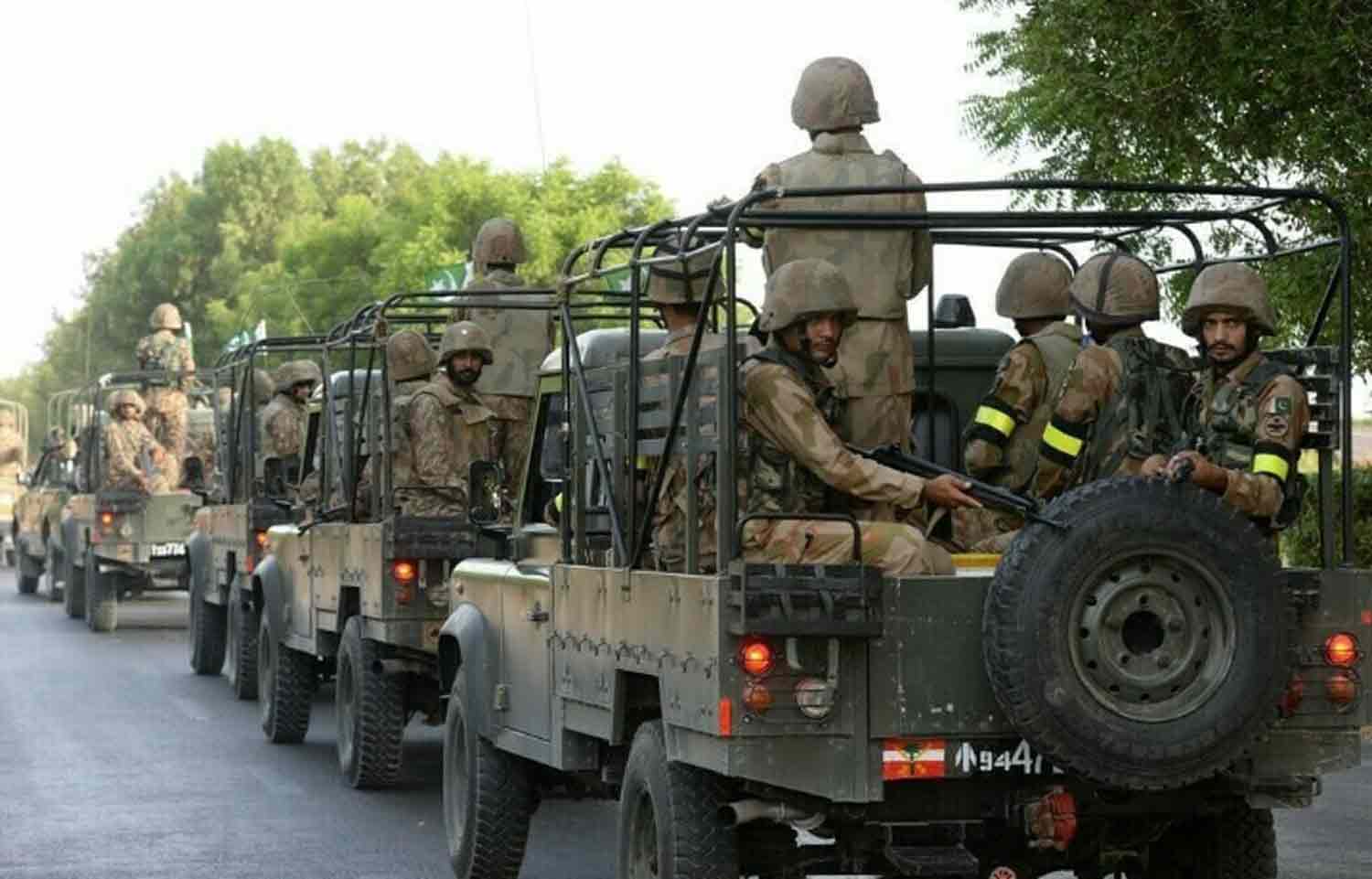
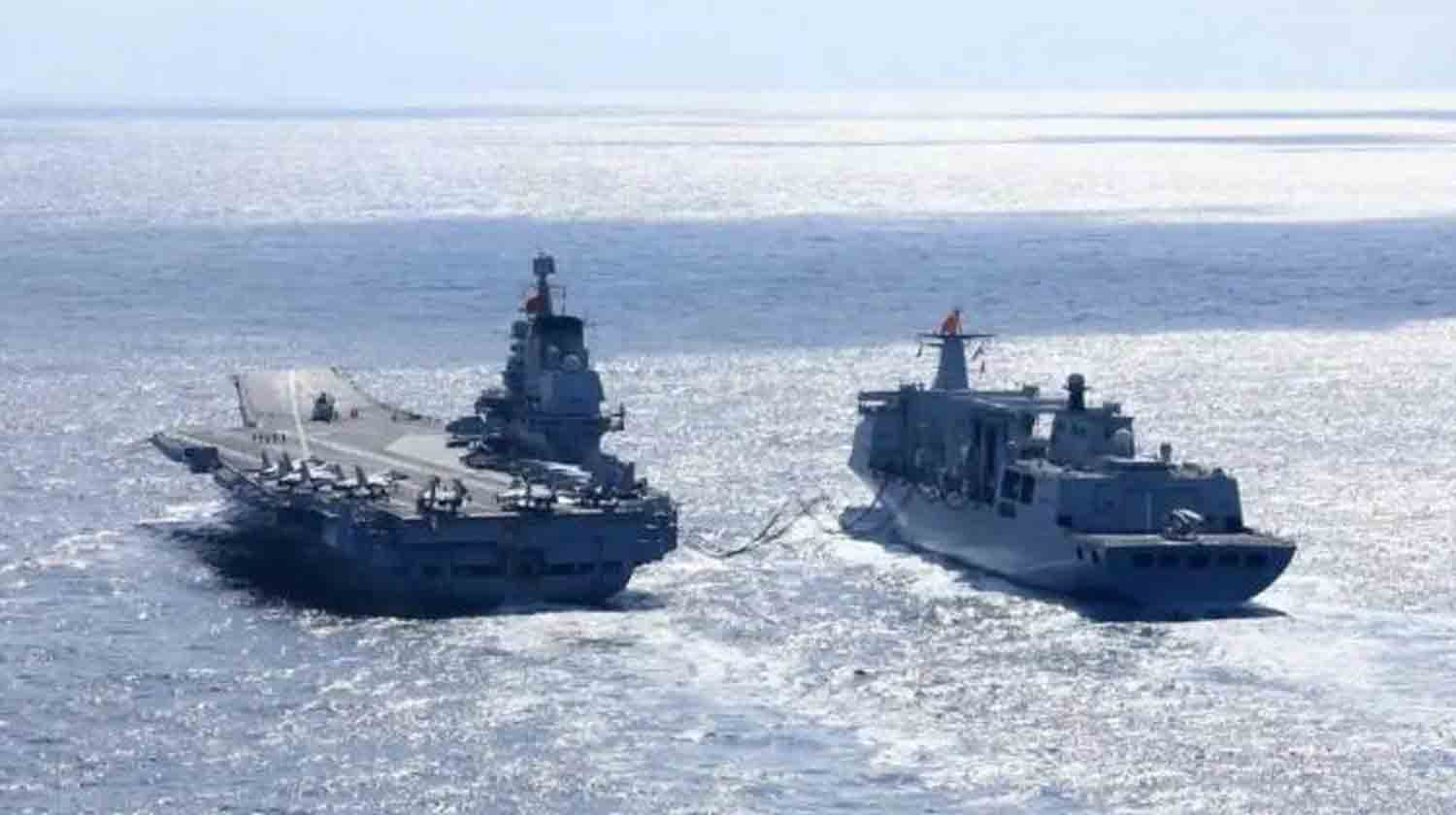
China’s Eastern Theatre Command said the drills—codenamed Justice Mission 2025—involved large-scale deployments of troops, warships, fighter aircraft, missile forces and artillery to encircle the democratically governed island. The exercises include live-fire drills, simulated strikes on land and maritime targets, and rehearsals for sealing off Taiwan’s major ports.
According to China’s Maritime Safety Administration, live-firing will continue through Tuesday across a record seven designated exercise zones, making the drills the largest by geographical coverage and the closest to Taiwan’s shores to date. Earlier announcements had indicated only five firing zones.
Flights Cancelled, Ports Targeted
Taiwan’s Defence Ministry said an additional unannounced drill zone was activated for two hours on Monday morning in waters east of the island, underscoring concerns about reduced warning times. Taiwan’s Transport Ministry said the drills would disrupt more than 100,000 international passengers, while around 80 domestic flights were cancelled.
Chinese state media reported that the exercises are focused on cutting off access to Taiwan’s most critical maritime hubs, including Port of Keelung in the north and Kaohsiung in the south—moves widely interpreted as rehearsals for a full or partial blockade.
Message to Washington and Allies
The drills mark China’s sixth major round of war games around Taiwan since 2022, following heightened tensions after then–US House Speaker Nancy Pelosi’s visit to the island. They come just 11 days after Washington approved a $11.1 billion arms package for Taiwan, the largest single US weapons sale to the island to date.
Analysts say the timing sends a clear signal to the United States and its regional allies. “China is delivering a strong warning against external interference,” said Chieh Chung of Taiwan’s Institute for National Defence and Security Research, noting that several drill zones effectively severed air and sea routes toward Japan north of Taiwan.
Beijing has also hardened its rhetoric after remarks by Japanese Prime Minister Sanae Takaichi suggesting a Chinese attack on Taiwan could prompt a military response from Tokyo.
Taiwan on High Alert
Taiwan’s Defence Ministry said 89 Chinese military aircraft, 14 naval vessels and 14 coast guard ships were operating around the island on Monday, with additional Chinese warships detected in the Western Pacific. Some vessels were involved in close stand-offs with Taiwanese ships near the island’s contiguous zone, about 24 nautical miles offshore.
“Our armed forces must prepare for the worst-case scenario,” said Hsieh Jih-sheng, Taiwan’s deputy chief of general staff for intelligence, warning that live-fire drills in the Taiwan Strait pose risks not only to Taiwan but also to neighbouring countries and international shipping.
Taiwan’s military said it had entered a state of heightened readiness and launched “rapid-response exercises” to ensure forces could be mobilised quickly if drills were to escalate into an actual attack.
Advanced Weapons and Psychological Pressure
China’s military released videos showing futuristic systems—including humanoid robots, micro-drones and weaponised robotic dogs—storming simulated targets, signalling Beijing’s growing emphasis on unmanned and autonomous warfare.
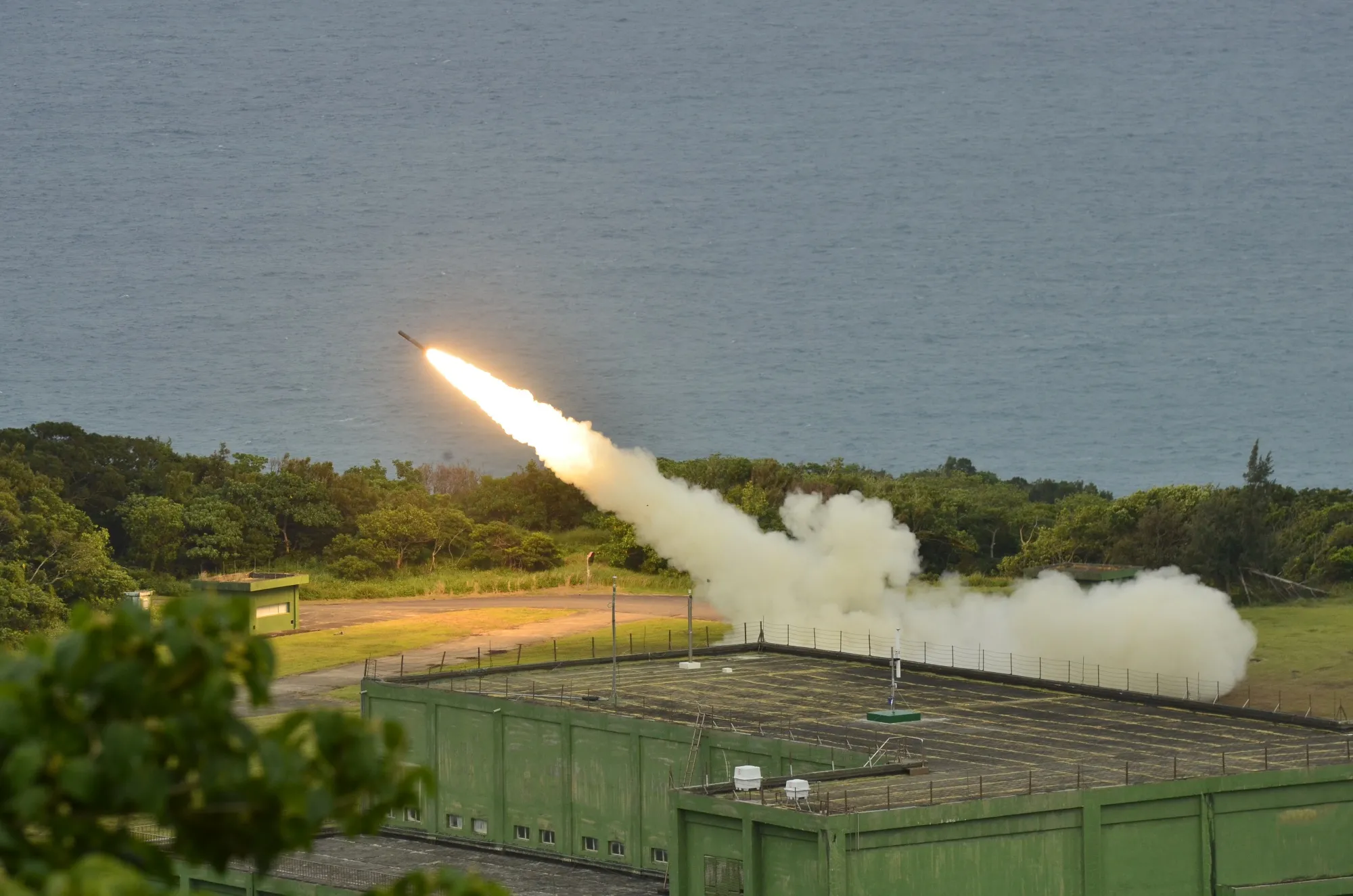
Taiwan’s government condemned the drills, while its defence ministry countered with footage highlighting its own capabilities, including US-made HIMARS, which could strike coastal targets in China’s Fujian province in a conflict.
Despite the show of force, Taiwan’s financial markets remained calm, with stocks closing up 0.9%. “These drills are meant to intimidate,” said Taipei resident Lin Wei-ming. “We’ve seen this before.”
A Blurring Line Between Drills and War
Security experts warn that Beijing’s expanding exercises are increasingly designed to blur the distinction between training and real combat operations—reducing response times for Taiwan, the United States and regional partners.
As China continues to reject Taiwan’s self-rule and Taipei insists only its people can decide their future, Justice Mission 2025 has reinforced concerns that the Taiwan Strait is becoming the world’s most dangerous flashpoint.