China and Pakistan have issued a joint five-point initiative calling for peace and stability in the Gulf and Middle East, a move widely seen as opening the door for Beijing to play a larger diplomatic role in the ongoing regional conflict.
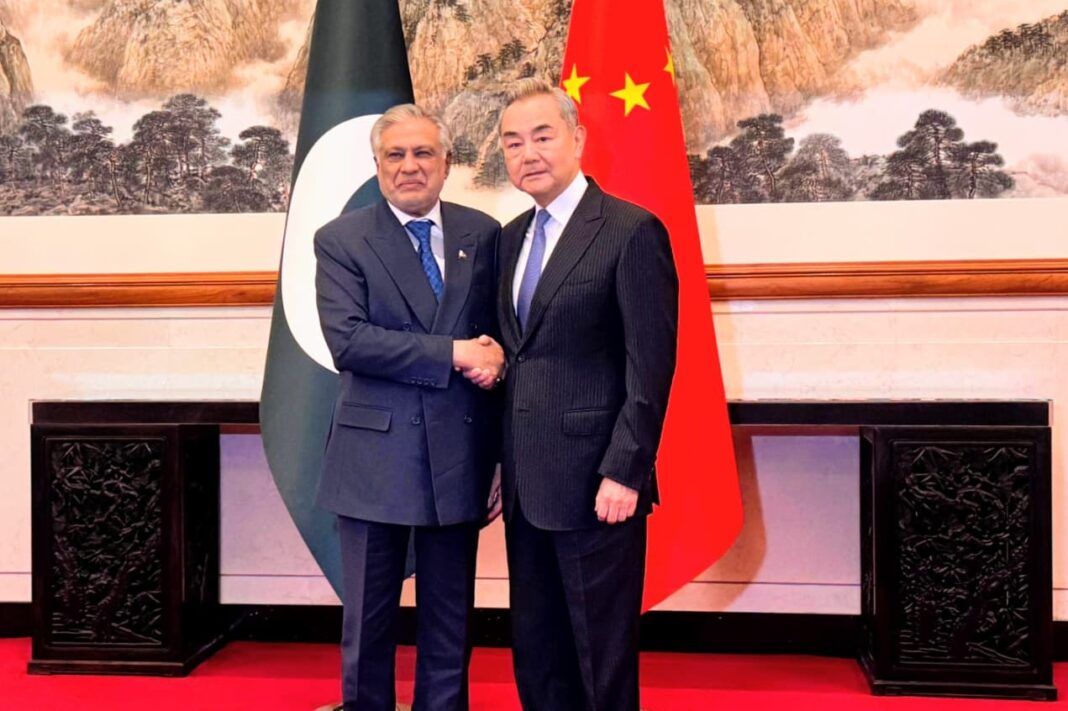
The statement followed a high-level meeting in Beijing on March 31, 2026, between Wang Yi and Ishaq Dar.
Diplomatic observers say the language of the statement suggests China’s response to requests for involvement was clearly not a refusal, and instead signals a possible opening for Beijing to step in as a diplomatic guarantor.
Munir’s Presence Adds Strategic Weight
The timing of the statement has drawn further attention because Asim Munir was also in Beijing.
His visit comes amid reported contacts with Donald Trump and JD Vance, adding another layer of strategic significance to the diplomacy.
Analysts say this makes the China-Pakistan initiative more than a routine joint statement and potentially part of a wider diplomatic framework involving multiple power centers.
Focus on Strait of Hormuz Shipping
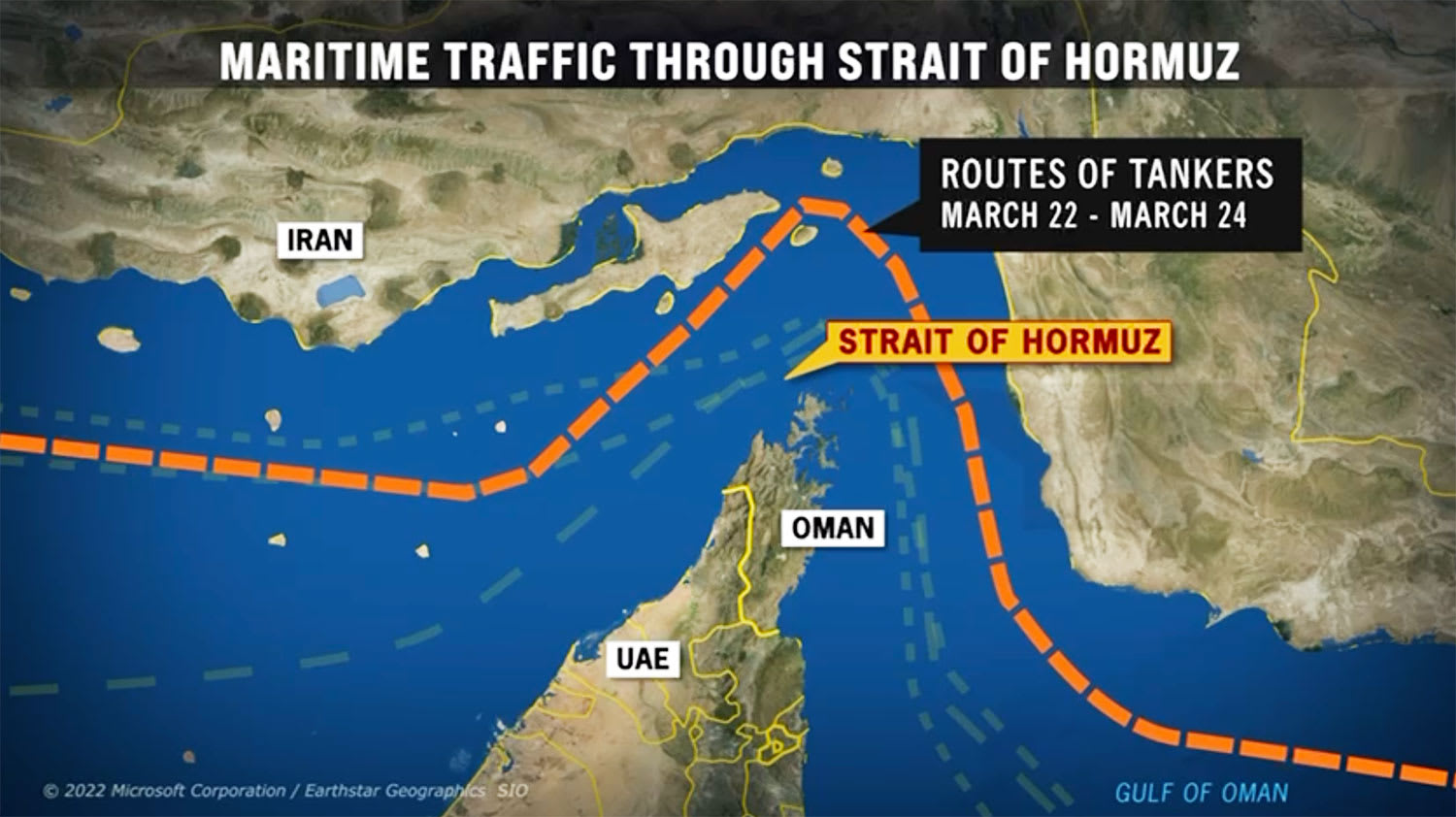
One of the most significant parts of the statement is its emphasis on protecting international shipping lanes, especially the Strait of Hormuz.
This reflects key strategic concerns for both China and Pakistan.
For Beijing, the Strait is critical for energy imports and global supply chains.
For Islamabad, secure shipping routes are closely linked to energy security and regional stability.
The draft also notes that CPEC 2.0 and Pakistan’s role as a possible energy bypass route may have figured prominently in discussions.
Ishaq Dar Highlights Strategic Partnership
Following the talks, Ishaq Dar said he was pleased to be in Beijing at the invitation of his “dear friend” Wang Yi.
He described the discussions as:
“substantive, thoughtful, and forward-looking exchanges.”
Dar said both sides discussed:
- strengthening bilateral ties
- advancing cooperation under China-Pakistan Economic Corridor 2.0
- enhancing high-level exchanges
- celebrating 75 years of diplomatic relations
- coordination in multilateral forums
He added that both countries reaffirmed their commitment to peace, stability, dialogue, and diplomacy.
The Five-Point Initiative
The joint statement laid out the following five points:
1. Immediate Cessation of Hostilities
China and Pakistan called for an immediate ceasefire and efforts to prevent the conflict from expanding further.
2. Start of Peace Talks
Both sides urged relevant parties to begin talks as soon as possible while safeguarding sovereignty and territorial integrity.
3. Protection of Civilians and Infrastructure
The statement called for stopping attacks on civilians and nonmilitary infrastructure, including:
- energy facilities
- desalination plants
- power infrastructure
- peaceful nuclear facilities
4. Security of Shipping Lanes
A major focus was placed on restoring safe civilian and commercial passage through the Strait of Hormuz.
5. Primacy of the UN Charter
Both countries called for a peace framework based on the United Nations Charter and international law.
Signal of Beijing’s Growing Diplomatic Role
The broader significance of the statement lies in what it may signal diplomatically.
Analysts interpret the initiative as a clear indication that Beijing is willing to step into the diplomatic space, particularly as a possible guarantor for future negotiations involving Gulf actors and Iran.
The stress on shipping lanes and multilateralism aligns strongly with China’s strategic and financial interests in the region.