China and Pakistan on Sunday agreed to fast-track economic cooperation under an upgraded China-Pakistan Economic Corridor (CPEC 2.0), with a renewed focus on trade, investment, industrial development and financial stability, following the Seventh Round of the China-Pakistan Foreign Ministers’ Strategic Dialogue held in Beijing.
The talks were co-chaired by Chinese Foreign Minister Wang Yi and Pakistan’s Deputy Prime Minister and Foreign Minister Mohammad Ishaq Dar, during Dar’s January 3–5 visit to China .

Both sides described economic cooperation as the central pillar of their “all-weather strategic cooperative partnership,” agreeing to better align national development strategies and expand long-term growth drivers for Pakistan’s economy.
CPEC 2.0: From Infrastructure to Productivity
A key outcome of the dialogue was consensus on launching CPEC Phase 2, shifting emphasis from large infrastructure to productive sectors, including:
- Industry and Special Economic Zones (SEZs)
- Agriculture modernization and value chains
- Mining and resource development
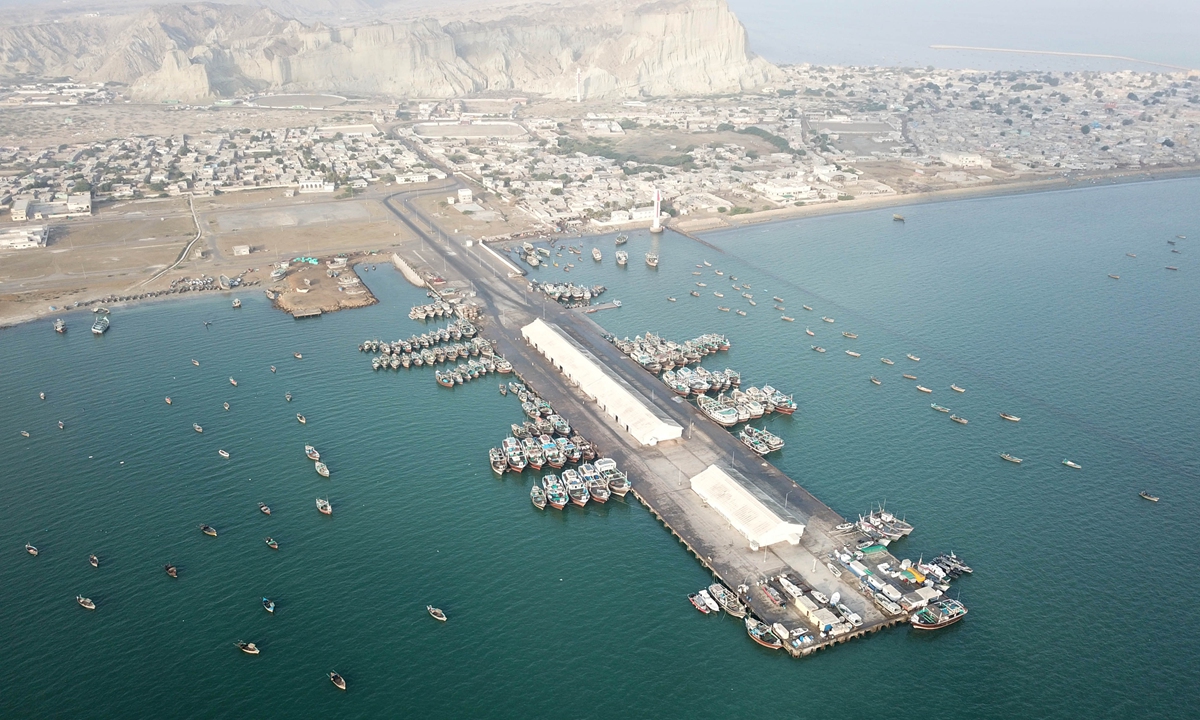
- Gwadar Port operations and logistics
The two sides agreed that Gwadar Port should evolve into a regional trade and transshipment hub, supporting Pakistan’s exports and regional connectivity. Ensuring uninterrupted connectivity via the Karakoram Highway and leveraging the year-round opening of the Khunjerab Pass were identified as critical to boosting bilateral trade flows .
Trade, Investment and Technology Cooperation
China and Pakistan committed to deepening cooperation in:
- Trade facilitation and market access
- Chinese investment in Pakistani manufacturing
- Information technology and digital economy
- Science, technology and cybersecurity
- Technical and vocational education
Officials said the goal is to enhance Pakistan’s export capacity, industrial competitiveness and employment generation, while providing Chinese enterprises with new production and supply-chain opportunities.
Both sides also welcomed third-party participation in CPEC, signaling openness to regional and global investors under mutually agreed frameworks .
Financial Sector Support and Macroeconomic Stability
The dialogue placed notable emphasis on financial and banking cooperation, with both countries agreeing to strengthen coordination at regional and international financial forums. Pakistan acknowledged China’s continued support for its fiscal and financial sectors, which Chinese officials described as essential for sustaining Pakistan’s macroeconomic stability and long-term growth trajectory .
China also welcomed Pakistan’s National Economic Transformation Plan (URAAN Pakistan 2024–2029), describing it as a foundation for inclusive growth and people-centered development.
Why It Matters
The renewed economic push comes at a time when Pakistan is seeking to stabilize its economy, expand exports and attract foreign investment, while China is recalibrating Belt and Road projects toward higher-quality, commercially viable outcomes.
Analysts say the emphasis on industry, agriculture and finance indicates a shift from debt-heavy infrastructure toward sustainable economic integration, potentially redefining CPEC’s role in Pakistan’s development model.
Outlook
With 2026 marking the 75th anniversary of China-Pakistan diplomatic relations, both sides signaled that economic cooperation will remain the backbone of bilateral ties. The next round of the Strategic Dialogue will be held in Islamabad next year, where progress on CPEC 2.0 implementation is expected to dominate the agenda .