As the Iran war enters a critical phase, China is increasingly positioning itself as a diplomatic broker, backing a joint peace initiative with Pakistan aimed at securing a ceasefire and reopening the Strait of Hormuz.
The central question now is whether Beijing’s diplomacy can move from rhetoric to results.
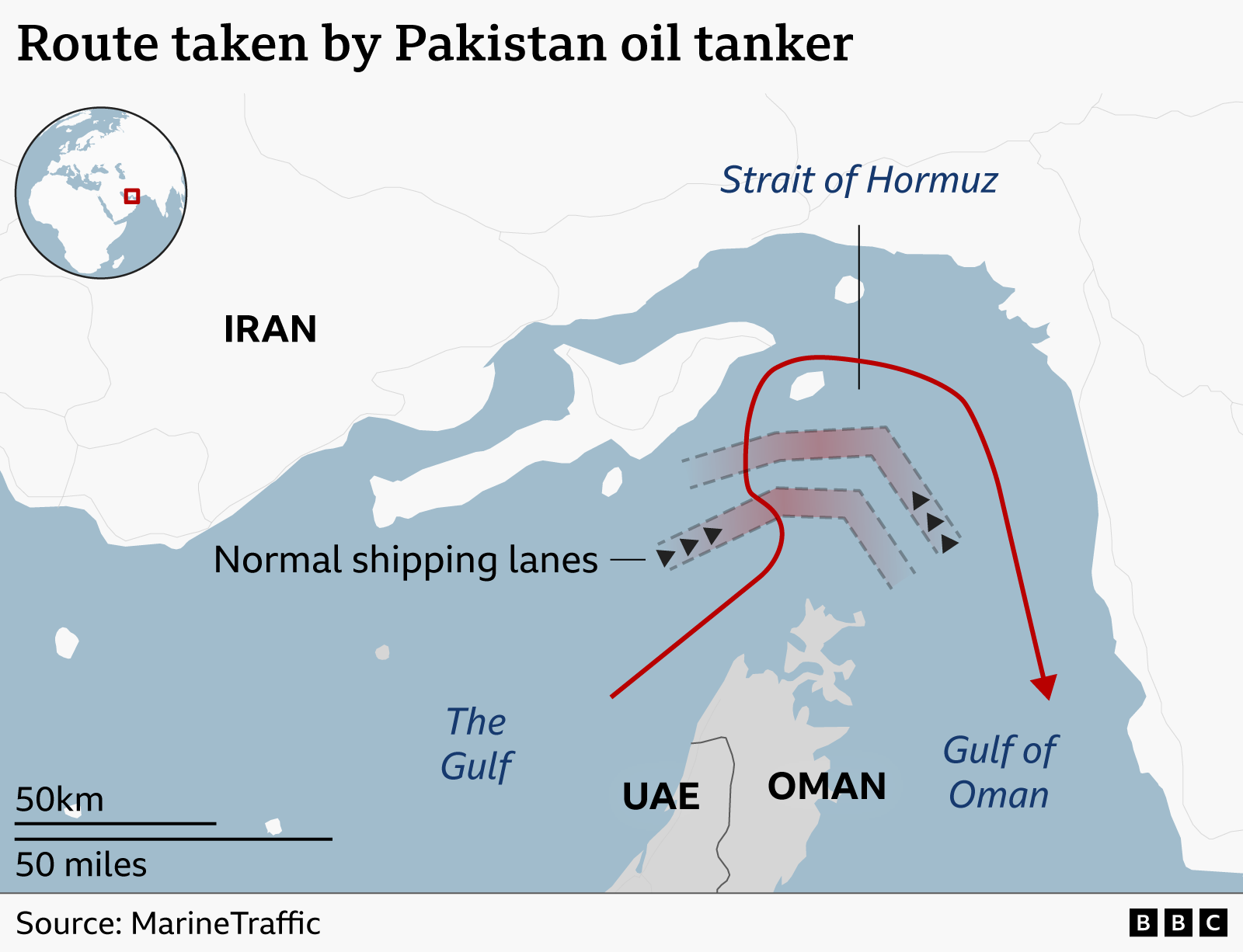
China and Pakistan this week jointly called for an immediate ceasefire, peace talks, and the restoration of normal navigation through Hormuz, one of the world’s most critical oil shipping routes.
For Beijing, this is not just diplomacy — it is a strategic test of whether China can emerge as a credible peacemaker in one of the world’s most dangerous conflicts.
Why China Wants Peace in the Iran War
China’s motivation is rooted in both geopolitics and economics.
As one of the world’s largest energy importers, Beijing has a major stake in keeping Gulf oil flowing.
The war has already disrupted shipping through Hormuz, raising fears of an energy shock that could hit Chinese industry and exports. Recent reports show even Chinese-linked ships have faced disruption despite Iranian assurances.
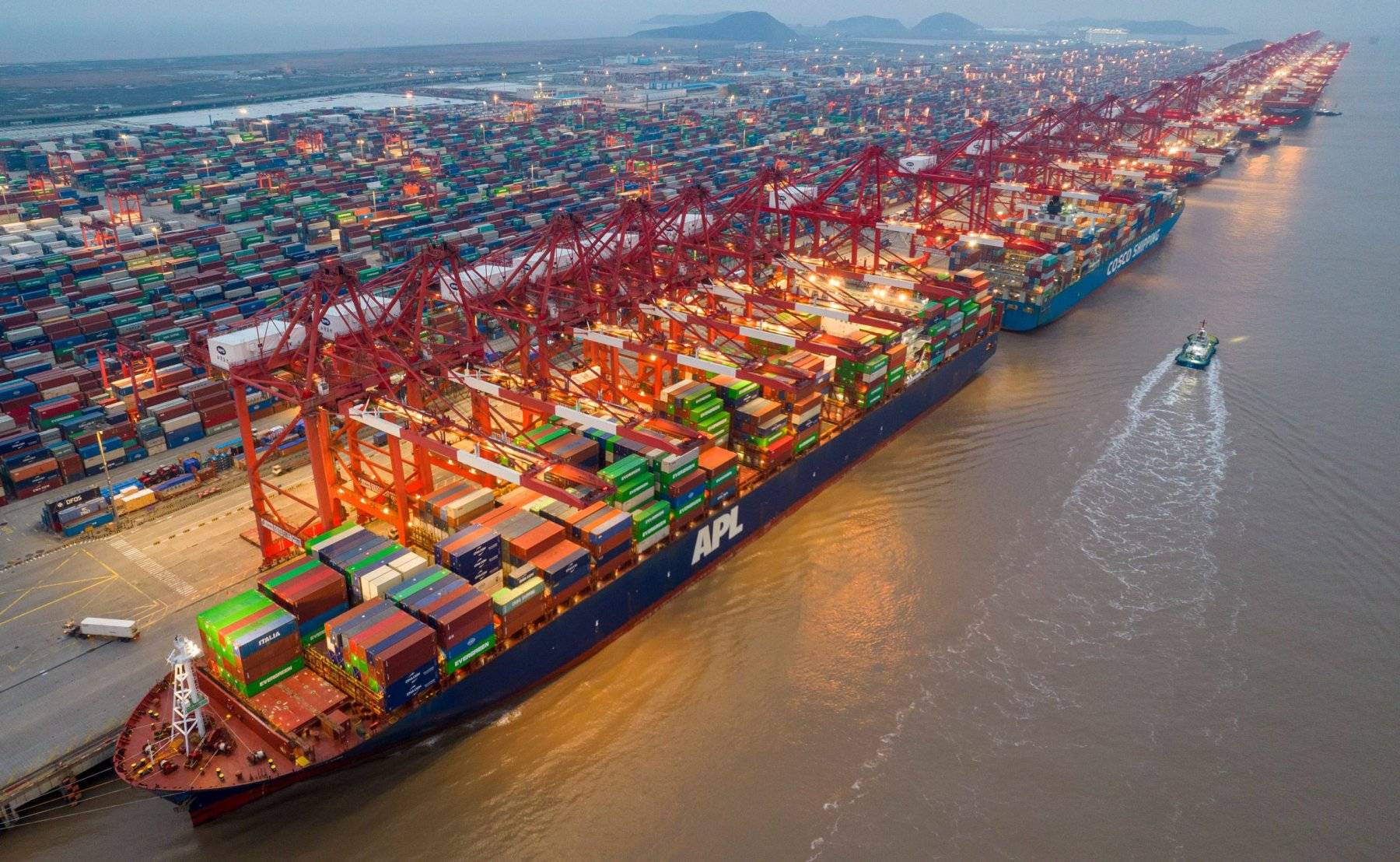
Beijing also has deep trade ties with both Iran and Gulf states, making regional stability critical to its economic interests.
Analysts say China’s diplomacy is partly about preventing oil prices from surging further and damaging growth.
What China’s Peace Plan Looks Like
The China-Pakistan initiative centers on a five-point framework that includes:
- immediate ceasefire
- urgent peace talks
- protection of civilian infrastructure
- reopening Hormuz
- respect for sovereignty
The diplomatic push is designed to create what Beijing calls a “window for talks” between Washington and Tehran.
This also helps Xi Jinping project China as a stabilizing global power in contrast to Washington’s military-first approach.
But Will It Actually Work?
This is where the challenge begins.
China has influence, but its leverage is limited.
Unlike the United States, Beijing has no major military footprint in the Gulf and cannot enforce maritime security on the ground.
Its influence comes from trade, diplomacy, and energy ties rather than hard power.
That means China’s success depends on whether both Washington and Tehran are willing to engage.
So far, that remains uncertain.
Some analysts note that China’s earlier peace efforts — including its Ukraine framework — struggled to translate diplomatic proposals into concrete outcomes.
The Real Test: Can China Deliver Results?
The real measure of success will be whether China can help reopen Hormuz and create a credible ceasefire pathway.
If Beijing succeeds, it would significantly strengthen its image as a global mediator and reshape Middle East diplomacy.
If it fails, critics may see the effort as another symbolic peace proposal without enforcement power.
For now, China is clearly trying to play peacemaker.
Whether it works depends less on Beijing’s intentions and more on whether the warring sides see diplomacy as preferable to escalation.
That answer may come in the coming days.