By the end of 2025, global security had crossed a psychological threshold.
What once appeared as overlapping regional crises hardened into a single, interconnected system of conflict—where war, deterrence, economic coercion, cyber operations, and maritime competition blurred into a constant state of strategic confrontation. The events of 2025 did not merely continue earlier wars; they reshaped how power is exercised, alliances are tested, and conflict is managed in an era of permanent instability.
Ukraine War: From Battlefield Attrition to Geopolitical Deadlock
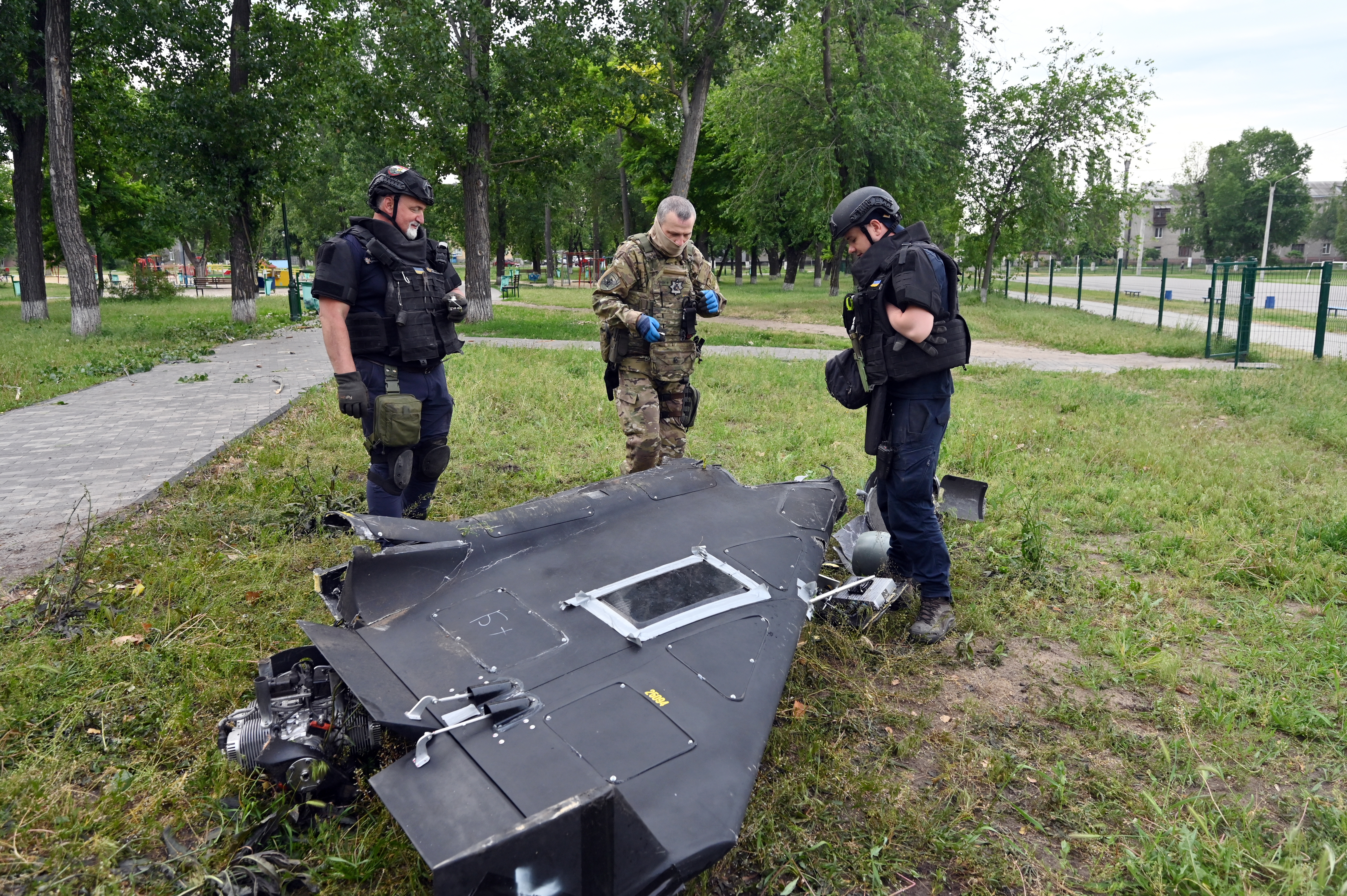
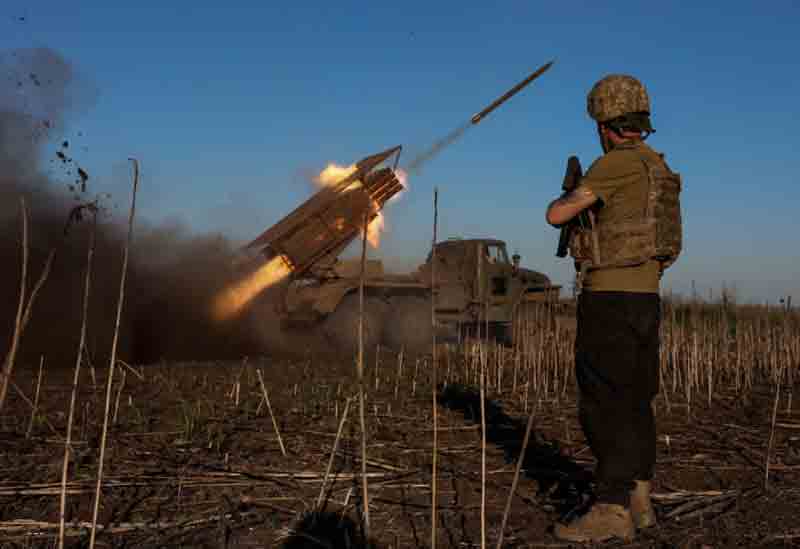
The war in Ukraine entered its fourth year without resolution, but with profound strategic consequences. Russia consolidated control over parts of eastern and southern Ukraine, while Kyiv—backed by NATO—shifted toward a long-war posture built on drone warfare, precision strikes, and economic resilience.
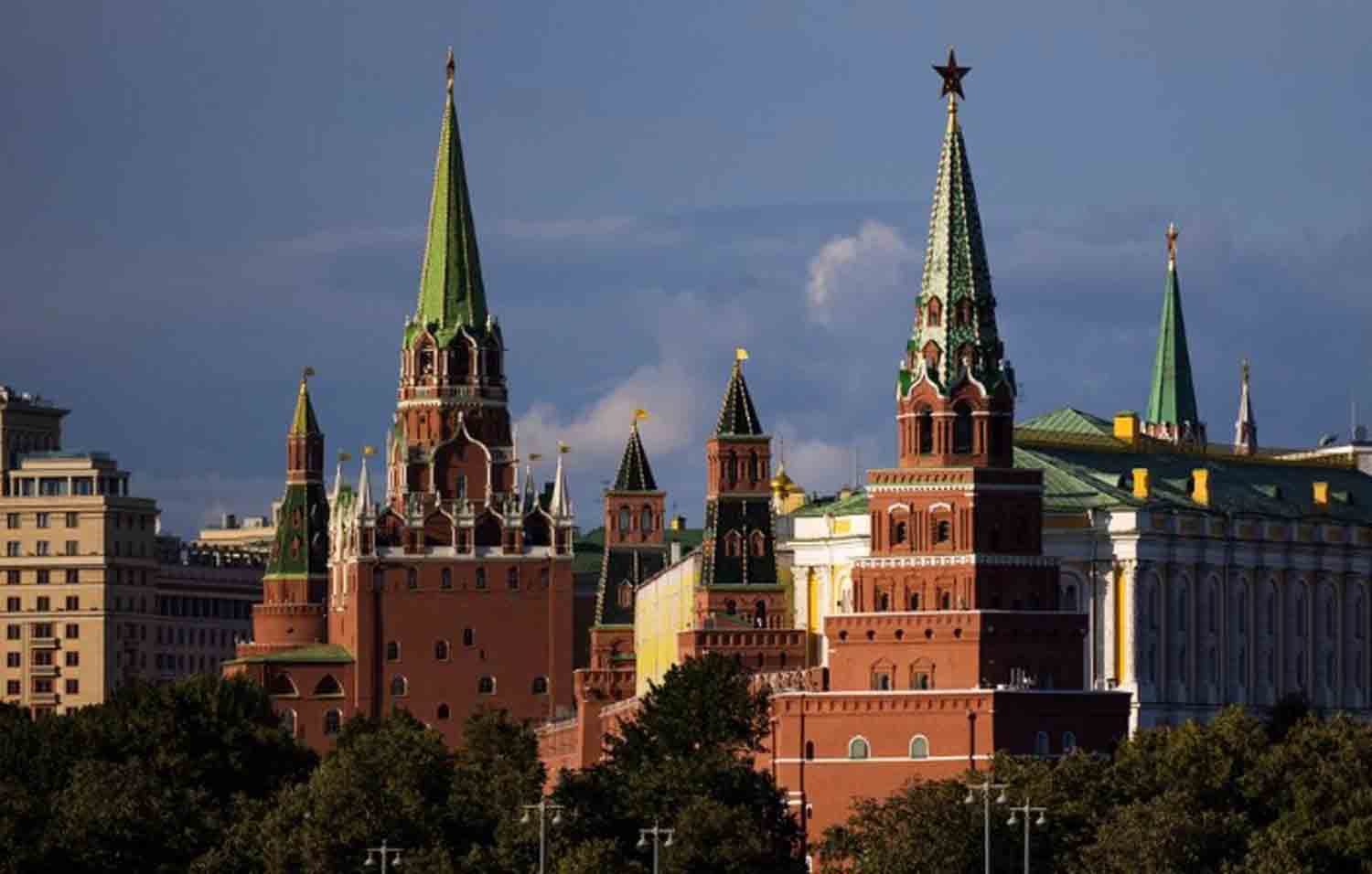
Under President Vladimir Putin, Moscow framed the conflict as an existential struggle against Western encirclement. The return of Donald Trump to the White House fundamentally altered the diplomatic environment. Washington reopened discreet channels with the Kremlin, floating peace frameworks that hinted at territorial compromise—a move that unsettled European allies and deepened divisions within NATO.
Ukraine, while maintaining battlefield resistance, increasingly faced a strategic dilemma: survival through continued resistance versus a negotiated peace that could redefine European borders for generations.
Middle East: War Without Borders

The Middle East in 2025 was defined not by a single war but by interconnected conflicts spanning Gaza, Lebanon, Syria, Iraq, and the Red Sea.
Israel’s war in Gaza expanded strategically, even as it remained geographically contained. The humanitarian toll intensified global diplomatic pressure, while Israel’s northern front with Hezbollah simmered just below full-scale war. Iran, avoiding direct confrontation, continued to project power through proxies—most visibly via the Houthis.
The Red Sea crisis became one of the year’s most consequential security events. Houthi attacks on commercial shipping forced the United States and its allies into sustained naval operations, transforming one of the world’s most vital trade arteries into a militarized zone. This marked a decisive shift: non-state actors demonstrated the ability to disrupt global commerce at strategic scale.
Indo-Pacific: The Quiet Militarisation of the World’s Future
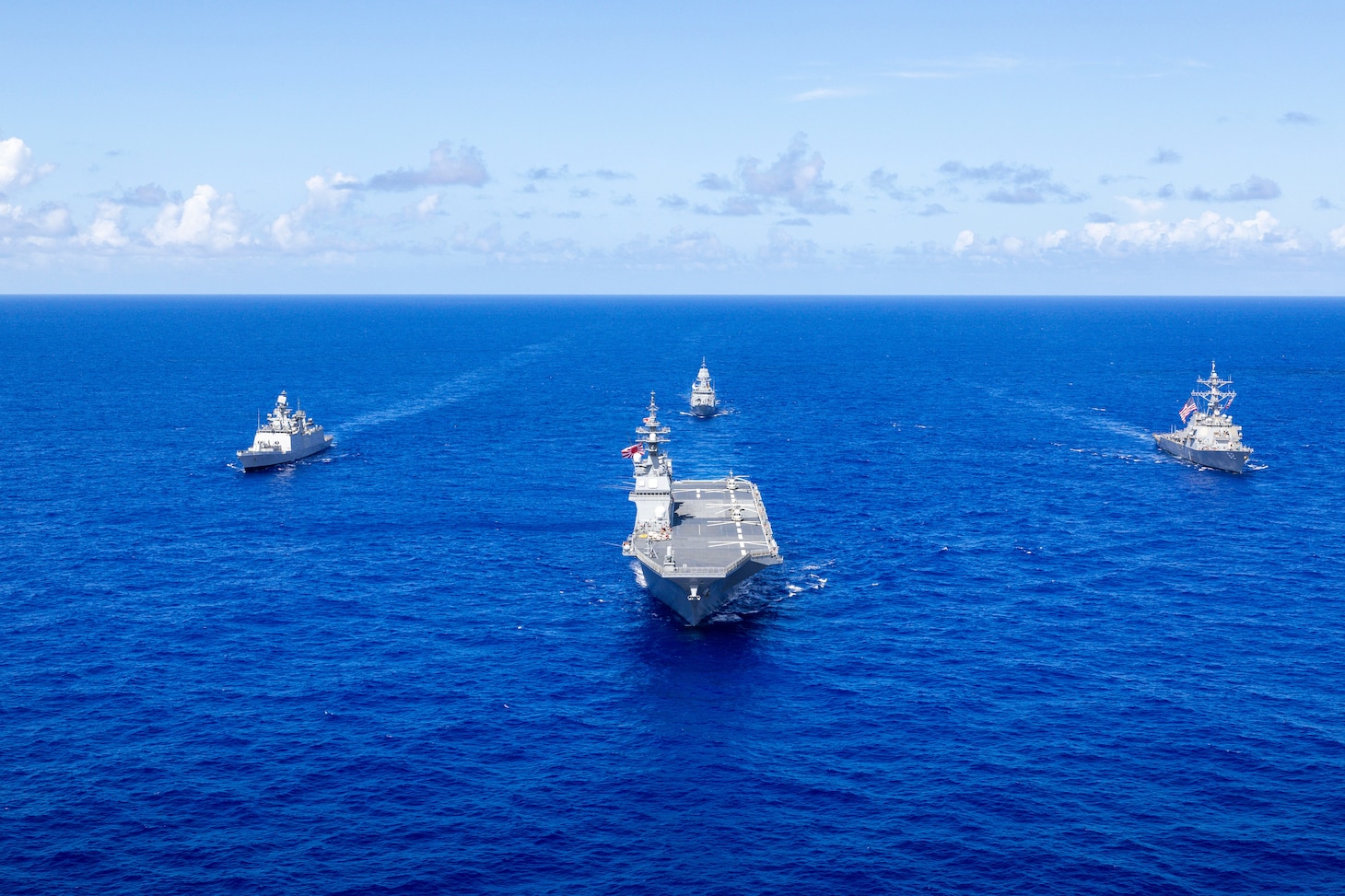
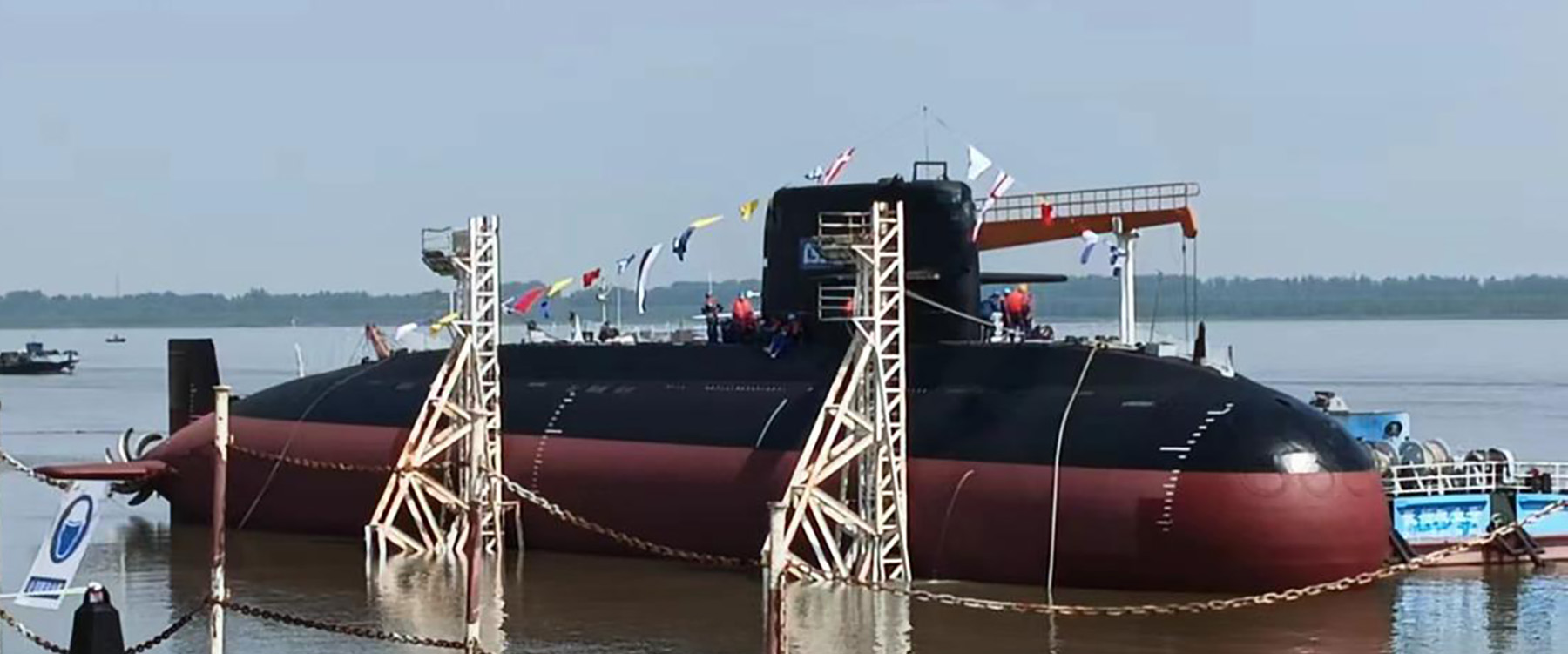
While Europe and the Middle East burned openly, the Indo-Pacific became the world’s most heavily militarised silent theatre.
China intensified pressure on Taiwan through unprecedented air and naval activity, rehearsing blockade scenarios without crossing the threshold of war. The People’s Liberation Army Navy expanded its operational footprint from the South China Sea to the Indian Ocean, deploying submarines and surveillance vessels with growing regularity.
In response, the United States deepened security integration with Japan, Australia, India, and the Philippines. AUKUS moved from concept to capability planning, while QUAD naval cooperation became increasingly operational rather than symbolic. The region’s defining feature in 2025 was not conflict—but preparation for inevitability.
Red Sea and Maritime Security: The Global Commons Under Fire

2025 marked the year maritime security returned to the centre of global defence planning. The weaponisation of chokepoints—from the Red Sea to the Taiwan Strait—exposed the fragility of global trade in an era of contested seas.
Navies increasingly focused on convoy protection, missile defence, and unmanned surface and underwater systems. Insurance costs soared, shipping routes lengthened, and energy markets absorbed repeated shocks. Control of the seas was no longer just about power projection—it became central to economic survival.
Technology and the New Face of War
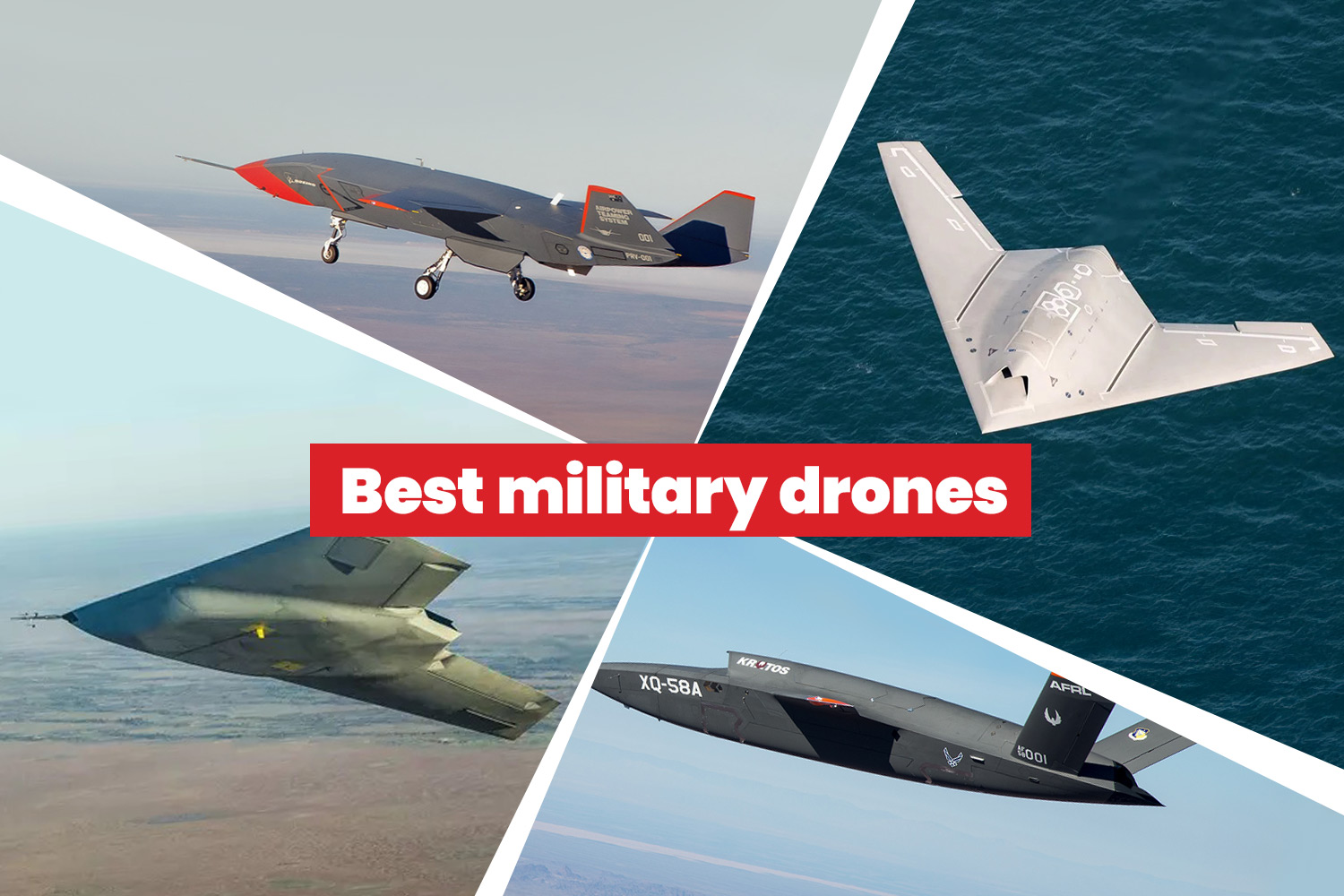
If 2022–24 introduced new technologies to war, 2025 normalised them.
Drones dominated battlefields from Ukraine to Gaza. Artificial intelligence shaped targeting, logistics, and intelligence fusion. Cyber operations quietly disrupted infrastructure, financial systems, and military command networks without triggering formal escalation.
War became cheaper, faster, and more deniable—lowering the threshold for violence while increasing its persistence. The distinction between war and peace eroded further.
Alliances Under Strain: NATO, Global South, and Strategic Autonomy
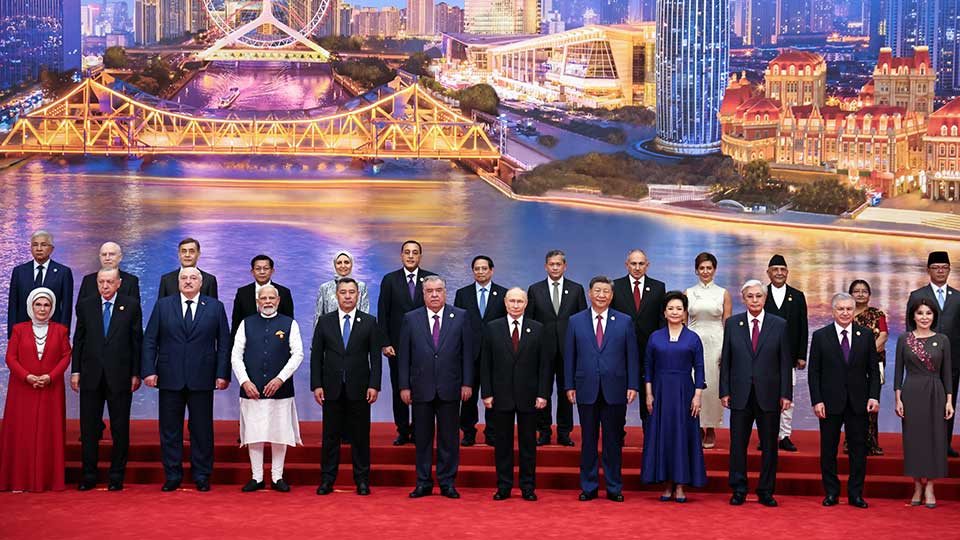
NATO remained militarily united but politically strained. European states accelerated rearmament, increasingly aware that US security guarantees could no longer be assumed as unconditional. Meanwhile, much of the Global South resisted pressure to align fully with either bloc, opting instead for strategic hedging.
Defence cooperation increasingly intersected with trade, sanctions, energy, and technology access—turning security partnerships into complex transactional relationships rather than ideological alliances.
Conclusion: 2025 as the Point of No Return
By the close of 2025, the world was no longer transitioning toward a new security order—it was living inside one.
Wars did not end; they mutated. Deterrence did not fail; it fragmented. Diplomacy did not disappear; it became quieter, narrower, and more conditional.
The defining lesson of 2025 is stark: global security is no longer episodic—it is structural. The challenge ahead is not merely preventing the next war, but learning how to manage a world where conflict, coercion, and competition have become permanent features of international life.
If 2025 will be remembered for anything, it will be as the year the illusion of a post-conflict world finally collapsed.