The ongoing conflict in the Middle East is reshaping global shipping patterns, with vessels increasingly diverting through Iranian territorial waters in the Strait of Hormuz—an emerging route analysts have dubbed the “Tehran Toll Booth.”
New data from Lloyd’s List Intelligence shows that while traffic remains reduced, activity has started to recover, with at least 16 vessels transiting the strait since Friday, signaling cautious adaptation by the shipping industry.
The Rise of the “Tehran Toll Booth”
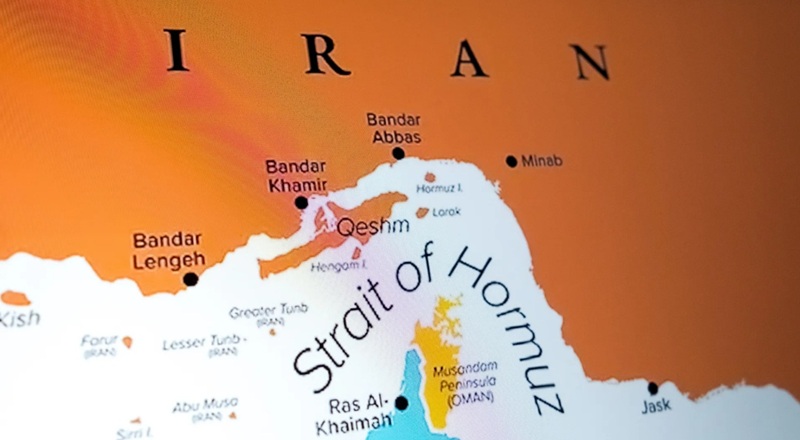
A growing number of vessels are now navigating a detour route between Qeshm and Larak Islands, passing through Iranian-controlled waters.
Key Developments:
- Over 20 vessels above 10,000 dwt have used the route
- At least 12 vessels recently tracked on this path
- Iranian authorities reportedly verifying vessel details
In some cases, ships are believed to have paid fees for safe passage, with one reported payment reaching $2 million.
This effectively creates a de facto checkpoint system controlled by Iran’s Islamic Revolutionary Guard Corps (IRGC).
Maritime Risk Remains Critical
Despite the partial recovery in traffic, the situation remains highly volatile:
- More than 20 maritime incidents reported since the conflict began
- Attacks involving commercial vessels and offshore infrastructure
- Insurance risks driving routing decisions
Naval assessments continue to classify the region as a “critical risk zone” for commercial shipping.
“Zombie Tankers” and AIS Spoofing Raise Alarms
One of the most unusual developments is the appearance of so-called “zombie vessels”:
- Ships operating under the identities of scrapped or defunct vessels
- AIS (Automatic Identification System) spoofing to mask identity
Examples include:
- LNG carrier LNG Jamal (previously dismantled)
- Aframax tanker Nabiin (scrapped years earlier)
These tactics highlight the growing use of deception and gray-zone maritime strategies in the conflict.
India and China-Linked Shipping Adapting Quickly
The crisis is also exposing how different countries are adapting:
- Indian and China-linked vessels are increasingly using the new route
- Some ships are clearly broadcasting ownership via AIS for safety
India, in particular, has moved to secure energy supplies:
- Two India-flagged gas carriers transported over 92,600 tonnes of LPG
- Cargoes are critical amid domestic shortages
This underscores how energy security is shaping diplomatic and commercial decisions.
Is the Strait Really Closed?
Iran maintains that the Strait of Hormuz is not officially closed, but reality on the ground tells a more complex story.
According to Iranian officials:
- Ships are being delayed due to insurance concerns and war risks
- Navigation is possible—but increasingly constrained
In practice, the strait is functioning under restricted and controlled conditions, rather than full closure.
Emerging Security Coalitions for Shipping Protection
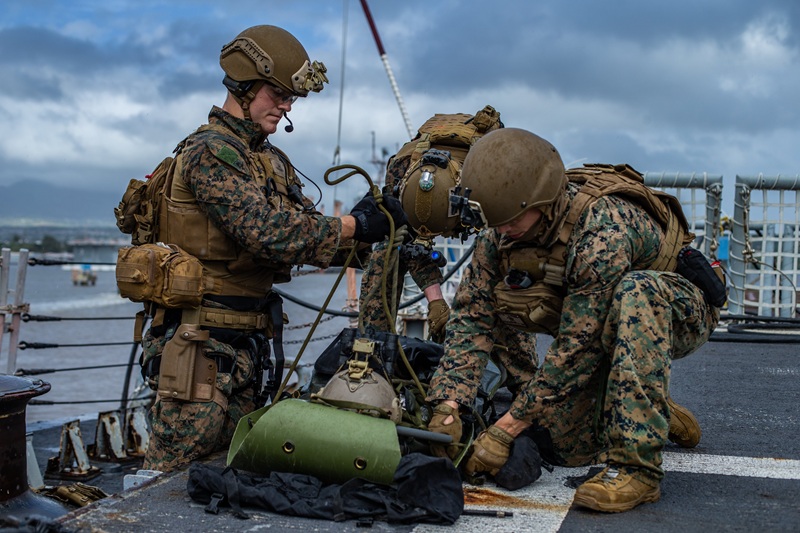
With risks mounting, discussions are underway to establish international maritime security arrangements:
Potential Developments:
- European states exploring coordinated response
- Possible UK-France joint mission under discussion
- Focus on:
- Missile interception
- Drone defense
- Overwatch capabilities
However:
- No expansion of existing EU missions is expected
- Any deployment likely post-major combat phase
These efforts reflect growing recognition that Hormuz security cannot be managed by one country alone.
Global Energy and Trade Impact
The disruption in Hormuz is already affecting global markets:
- Oil and LNG flows face uncertainty
- Shipping costs and insurance premiums rising
- Supply chains under pressure
Given that the strait handles roughly one-fifth of global energy flows, even partial disruption has worldwide economic consequences.
Strategic Shift: From Open Waterway to Controlled Corridor
The transformation of the Strait of Hormuz is becoming clear:
Before:
- Open international shipping lane
- Free navigation
Now:
- Controlled routing through Iranian waters
- Security risks and informal “toll system”
- Increased geopolitical leverage for Iran
This shift represents a fundamental change in one of the world’s most critical maritime chokepoints.
Conclusion
The emergence of the “Tehran Toll Booth” highlights how the ongoing conflict is reshaping not just military dynamics, but also global trade and energy flows.
With ships rerouting, risks rising, and new security frameworks under discussion, the Strait of Hormuz is no longer just a transit point—it has become a strategic battleground for control, influence, and economic leverage.