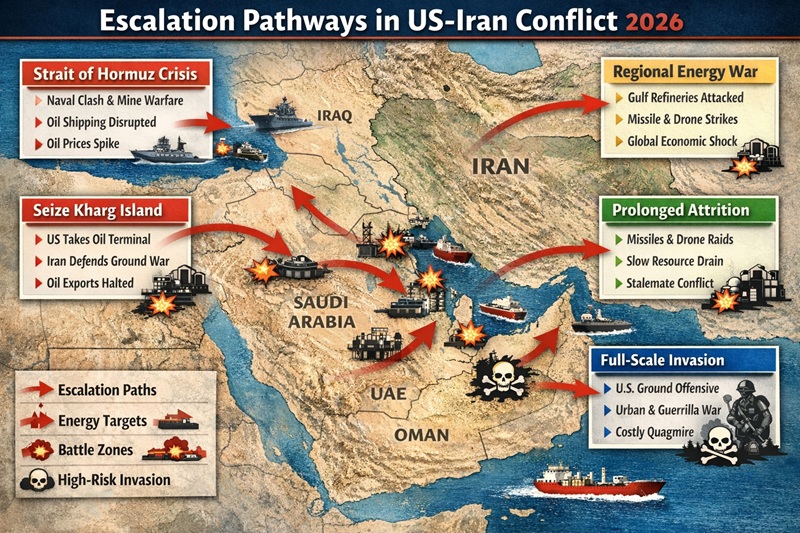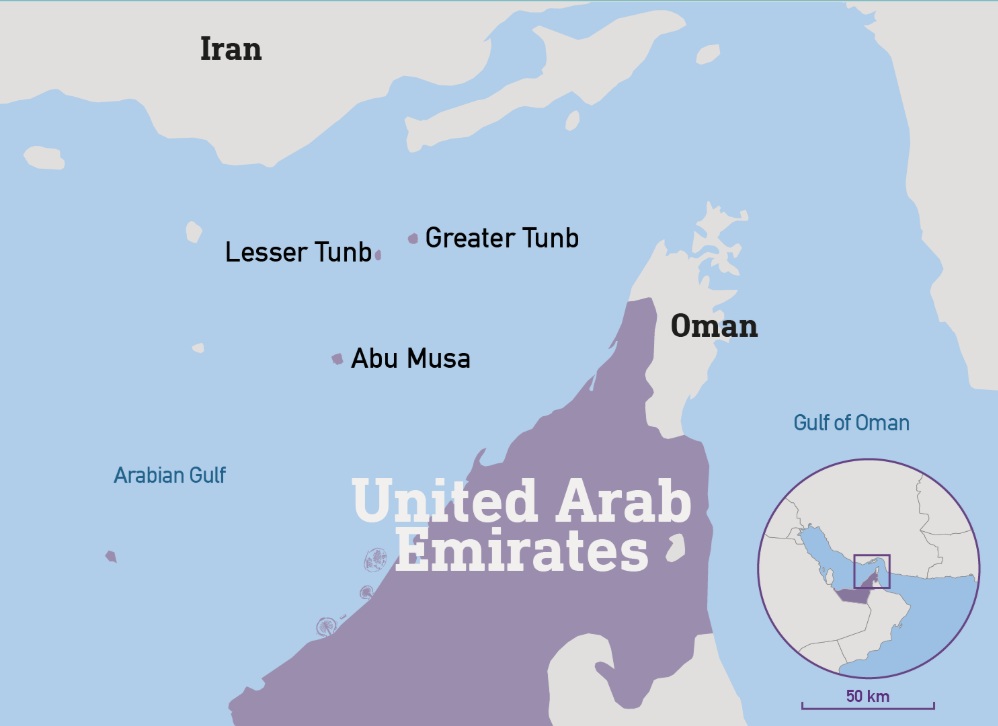
The Middle East conflict has entered a more volatile phase as Iran-backed Houthi rebels in Yemen launched ballistic missiles toward Israel, marking their official entry into the war. At the same time, Pakistan is emerging as a key diplomatic player, hosting urgent talks aimed at preventing further escalation.
Houthis Launch Missiles at Israel

The Houthi movement announced it carried out its first direct military operation against Israel, firing a barrage of ballistic missiles aimed at sensitive targets.
The group said the attack was:
- A response to ongoing military actions across the region
- Linked to events in Lebanon, Iran, Iraq, and Palestine
- A declaration of support for Iran in the widening confrontation
The Israel Defense Forces confirmed it detected a missile launched from Yemen and moved to intercept it.
This development significantly expands the battlefield, bringing Yemen into a conflict already stretching across multiple fronts.
Strategic Threat: Red Sea and Bab al-Mandab
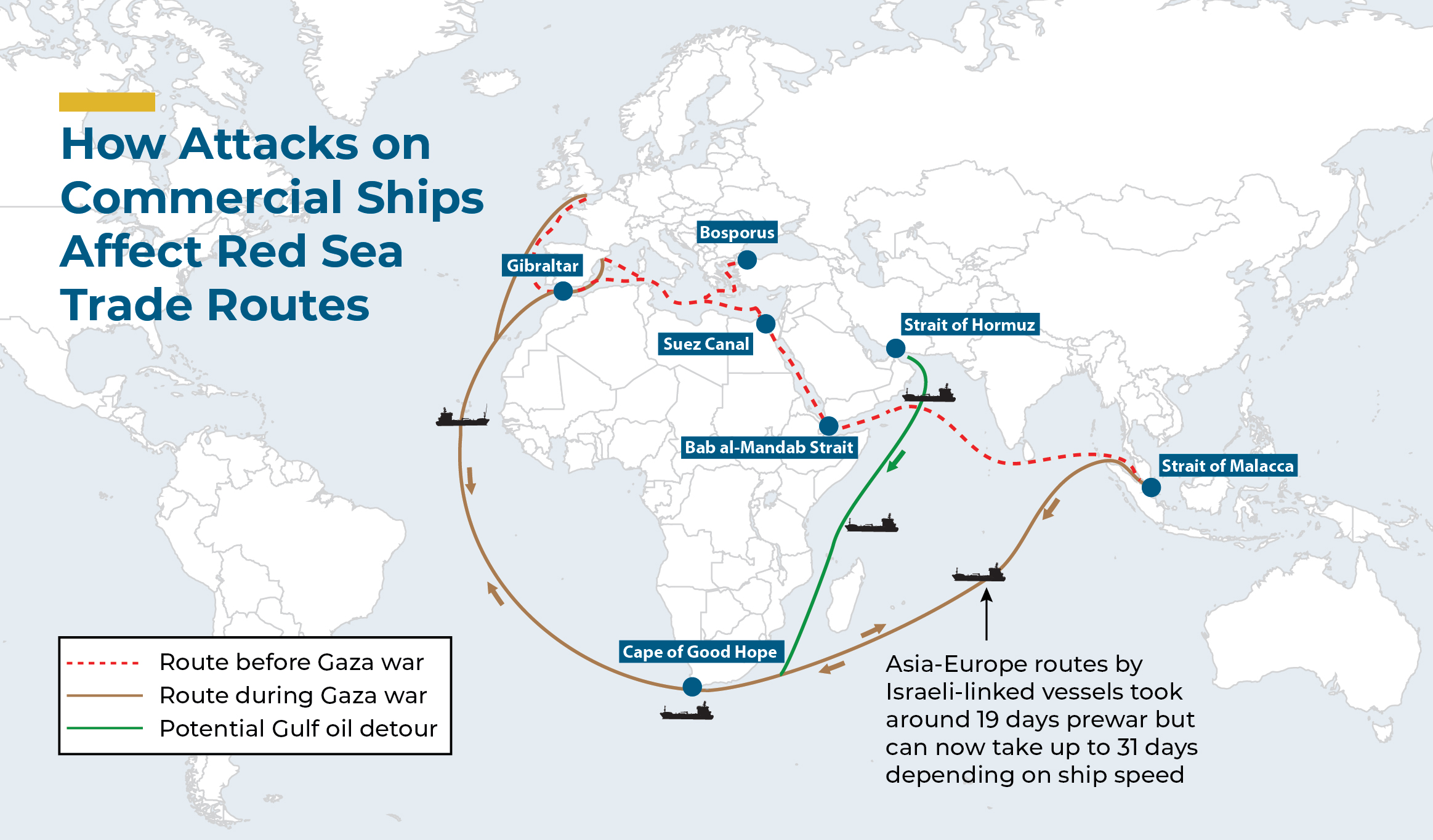
Beyond missile strikes, the Houthis have raised the possibility of targeting global trade routes.
A senior official described the closure of the Bab al-Mandab Strait as a “viable option,” a move that could:
- Disrupt one of the world’s busiest shipping lanes
- Impact global oil supplies
- Trigger international naval responses
The strait connects the Red Sea to major global markets, making it a critical pressure point in the conflict.
Pakistan Leads Regional Diplomacy Effort
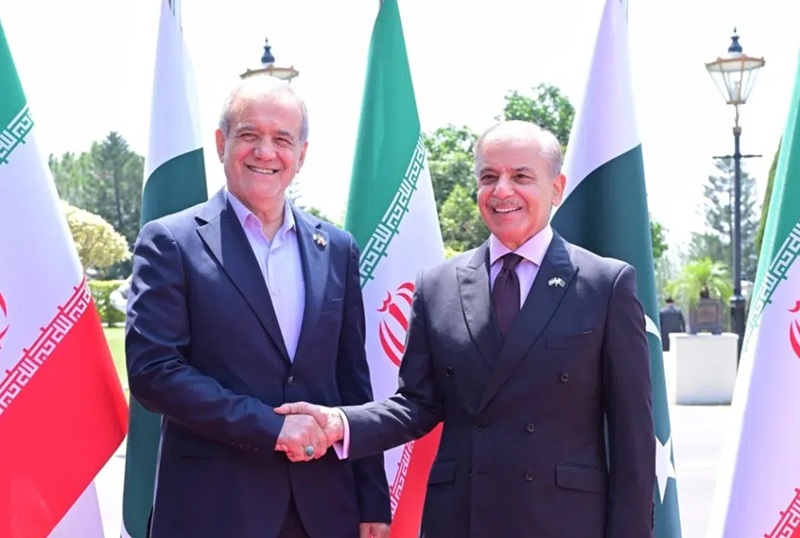
As tensions rise, Shehbaz Sharif has stepped into a central diplomatic role.
He held a direct call with Masoud Pezeshkian, signaling active engagement between Islamabad and Tehran at a critical moment.
Held a detailed telephone conversation with my brother President Masoud Pezeshkian of Iran earlier today, lasting over one hour.
I reiterated Pakistan’s strong condemnation of the continued Israeli attacks on Iran, including recent strikes on civilian infrastructure, and…
— Shehbaz Sharif (@CMShehbaz) March 28, 2026
Pakistan is also hosting a high-level meeting involving:
- Turkey
- Saudi Arabia
- Egypt
The talks aim to:
- Reduce regional tensions
- Prevent further military escalation
- Explore diplomatic pathways between Iran and the United States
Officials say Pakistan has already played a behind-the-scenes role by conveying a 15-point peace proposal from Washington to Tehran.
A War Expanding on Two Fronts: Military and Diplomatic
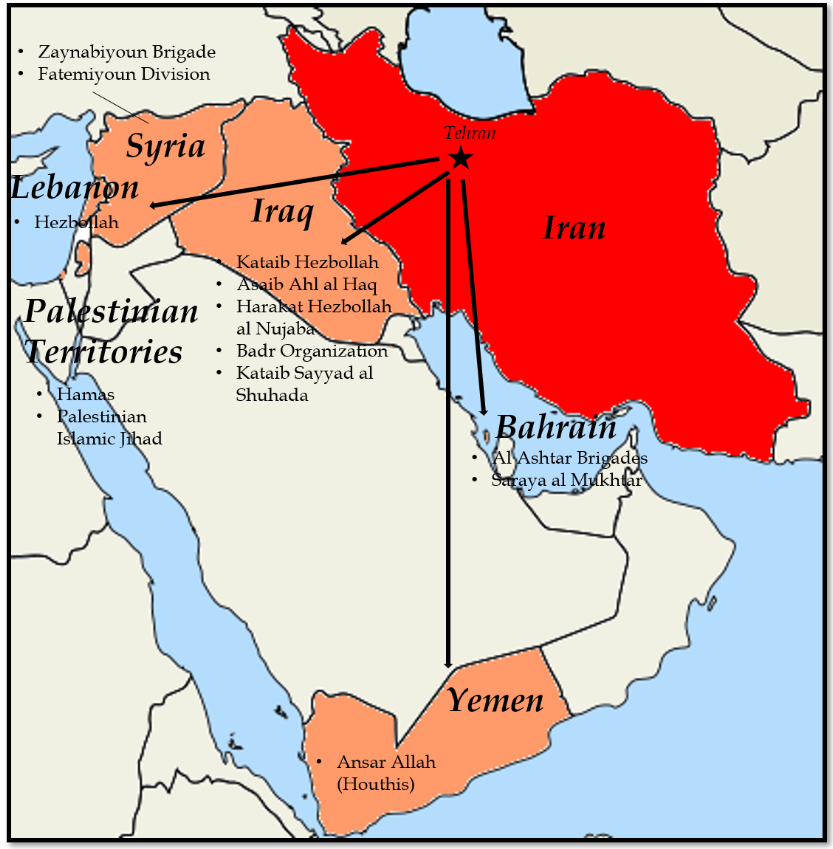
The situation is now evolving along two parallel tracks:
Military Escalation
- Houthis launching long-range missiles
- Threats to international shipping routes
- Expanding geographic scope of conflict
Diplomatic Response
- Pakistan-led regional talks
- Increased communication between Iran and global powers
- Efforts to avoid a full-scale regional war
Analysts warn that the balance between these two tracks will determine whether the crisis stabilizes—or spirals further.
Conclusion
The Houthis’ entry into the war marks a major escalation, opening a new front from Yemen and raising the stakes for global trade and regional security.
At the same time, Pakistan’s proactive diplomacy positions it as a key intermediary in efforts to contain the crisis.
With missiles flying and negotiations underway, the coming days will be critical in shaping whether the Middle East moves toward containment or wider conflict.