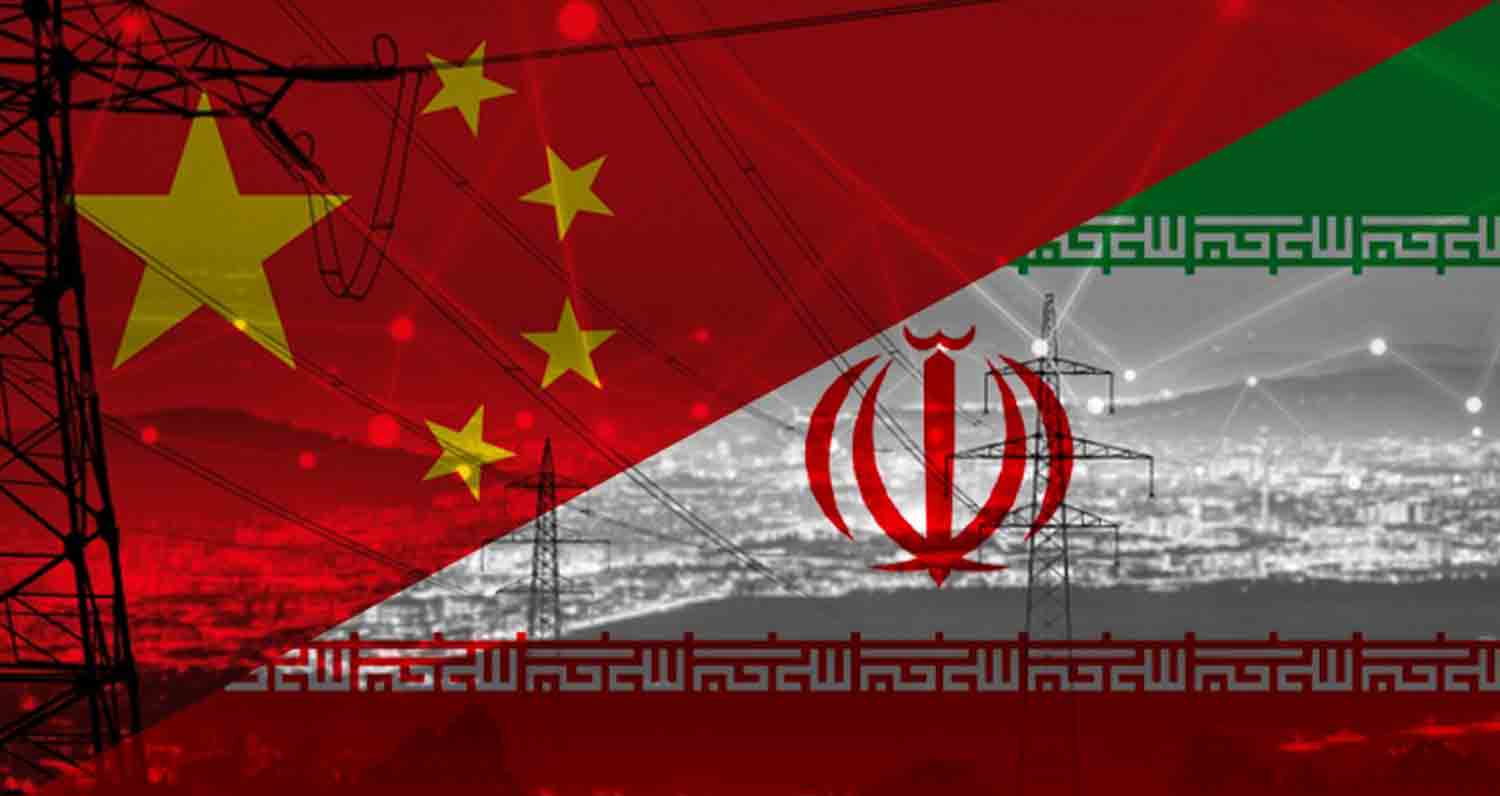
Iran is seeking guarantees in any potential agreement with the United States, with diplomatic efforts now increasingly focused on China as a possible guarantor, according to emerging regional reports.
Diplomatic sources indicate that Ishaq Dar is expected to travel to Beijing as part of efforts to secure a framework for possible talks between Iran and the United States.
The move is being interpreted as part of Tehran’s conditions for entering negotiations with Washington, with China increasingly emerging as the frontline player in diplomatic efforts.
Officials familiar with the diplomacy suggest such an initiative would likely have been informally floated with both Washington and Beijing before any official visit.
While there is no confirmation that Beijing has agreed to act as guarantor, China’s role appears to be growing amid the crisis.
Trump Issues New Warning Over Hormuz
US President Donald Trump said the United States may “blow up and completely obliterate” Iran’s electric plants and oil wells if a deal is not reached and the Strait of Hormuz is not reopened.
The warning marks one of the strongest public ultimatums issued by Washington during the current crisis.
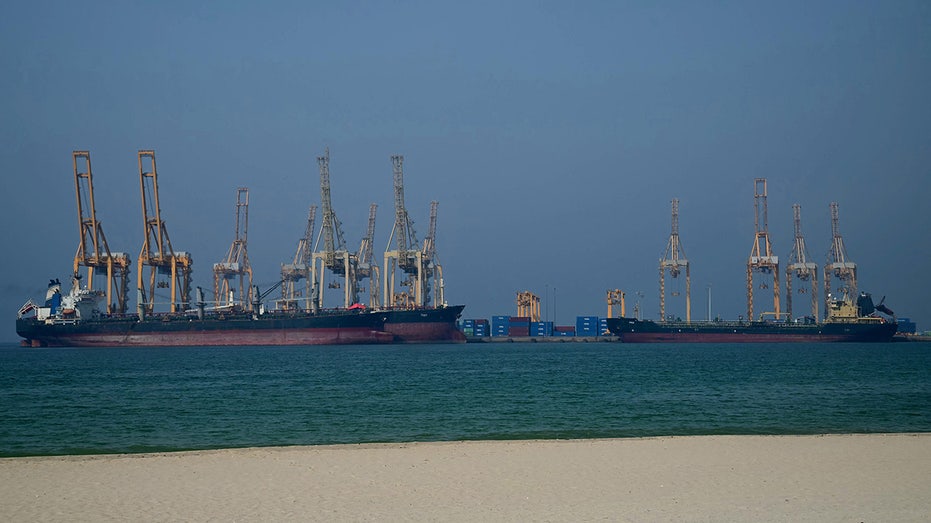
The Strait remains one of the world’s most important oil transit chokepoints, with around 20 million barrels per day historically moving through it.
Rubio Signals Fractures Inside Iran’s Leadership
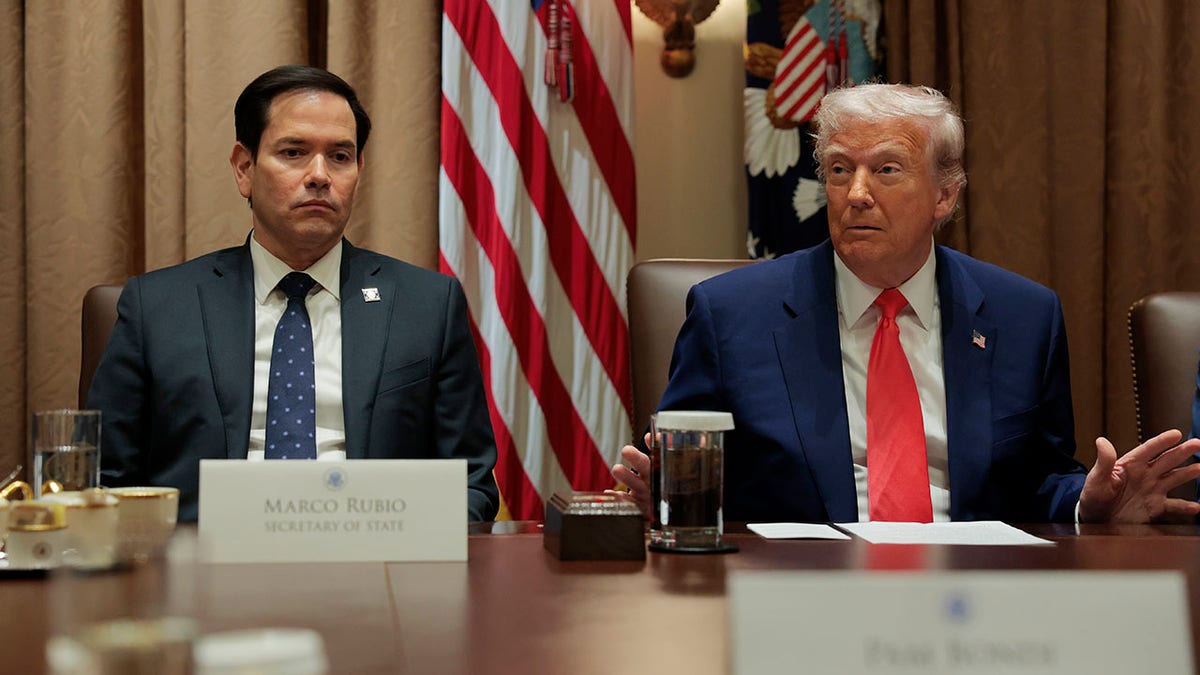
US Secretary of State Marco Rubio declined to identify the individuals with whom Washington is reportedly communicating inside Iran, but said there are “fractures” within the country’s leadership.
Speaking on ABC’s Good Morning America, Rubio said:
“There’s some fractures going on there internally.”
He added that some individuals are “saying some of the right things privately”, while cautioning that public statements may not reflect private negotiations.
Rubio stressed that Washington would now test whether those voices have sufficient authority inside Iran to deliver an agreement.
Shipping Traffic Slowly Returns
Shipping data indicates that more vessels are now passing through the Strait of Hormuz, though volumes remain significantly below pre-conflict levels.
Pakistan announced that Iran has allowed 20 Pakistani-flagged ships to transit the route, with two ships expected to pass daily.
Foreign Minister Ishaq Dar described the move as a “welcome and constructive gesture.”
Separately, two large Chinese container vessels also crossed the Strait on Monday and are now headed toward Port Klang.
According to shipping analysts, Iran appears to be pursuing a selective vessel passage strategy, allowing certain ships through as a form of strategic signaling rather than imposing a full blockade.
Selective Access for Friendly States
Iran has maintained that the Strait remains open to vessels not operated by states aligned with the US or Israel.
Among ships recently allowed through were two large Indian LPG vessels, following an earlier understanding between Iran and India.
This controlled passage system appears designed to balance diplomatic pressure with leverage over global shipping and energy flows.