As tensions rise in the Middle East, military analysts are increasingly focused not just on Iran’s oil hub at Kharg Island, but on a chain of strategic islands that form Tehran’s powerful defensive arc in the Persian Gulf.
These islands—stretching across the Strait of Hormuz—could determine whether US forces can safely enter the Gulf or face a costly and prolonged conflict.
The “Arch Defense”
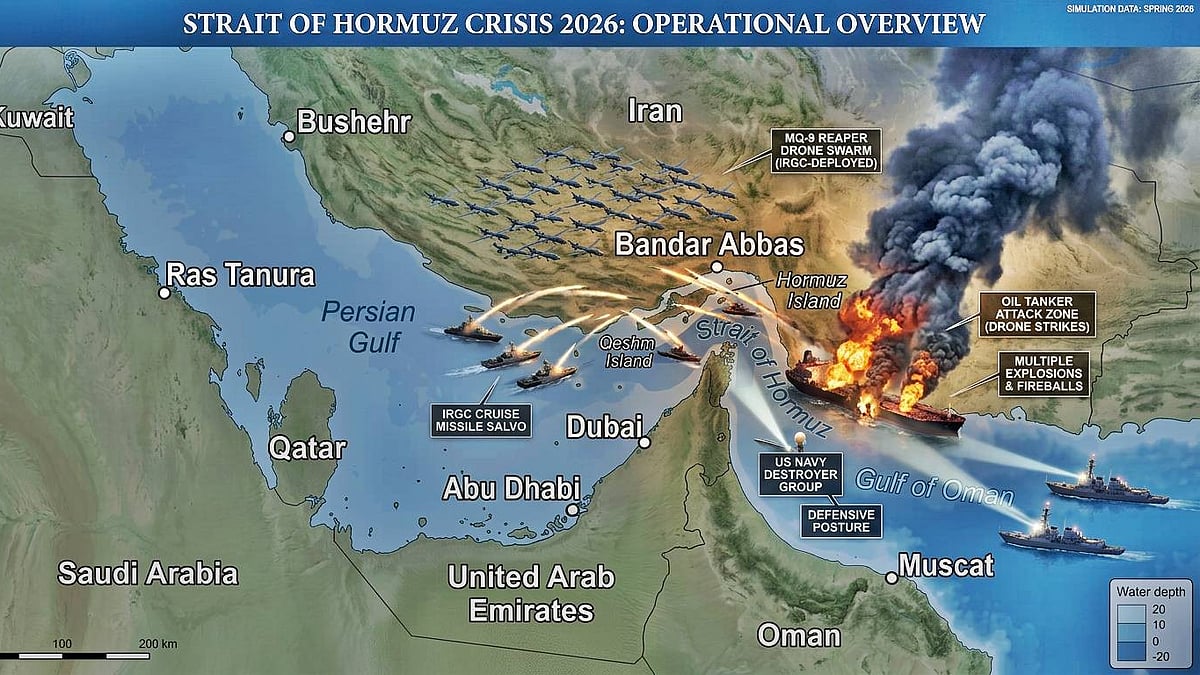
Iran’s strategy revolves around seven key islands:
- Abu Musa
- Greater Tunb
- Lesser Tunb
- Qeshm
- Larak
- Hormuz
- Hengam
Together, they form what analysts call an “arch defense”, giving Iran geographic dominance over one of the world’s most critical waterways.
Key advantage:
- Ships passing through the Strait of Hormuz are forced into narrow lanes
- Large vessels must pass close to these islands
- This creates ideal conditions for ambush tactics
Iran has described these islands as “unsinkable aircraft carriers”, highlighting their permanent strategic value.
Why the Strait of Hormuz Is a Global Flashpoint
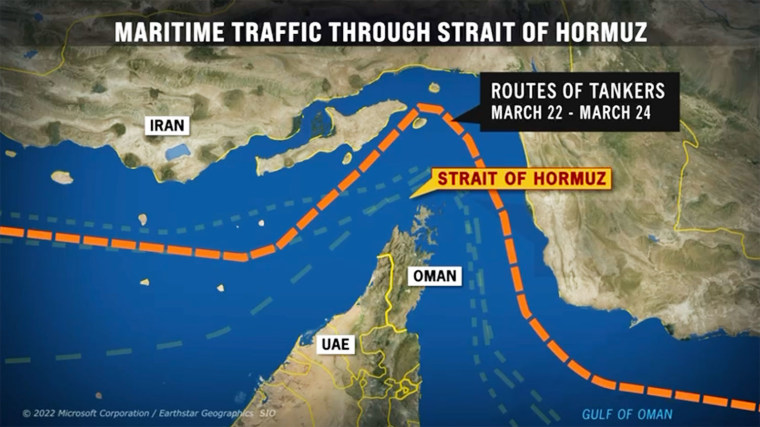
The Strait of Hormuz is one of the most important maritime chokepoints in the world:
- A significant portion of global oil passes through it
- Any disruption could spike energy prices worldwide
- Military control of this area equals economic leverage
Iran’s island positions allow it to monitor—and potentially block—traffic entering or leaving the Gulf.
US Military Options: Airborne or Amphibious Assault
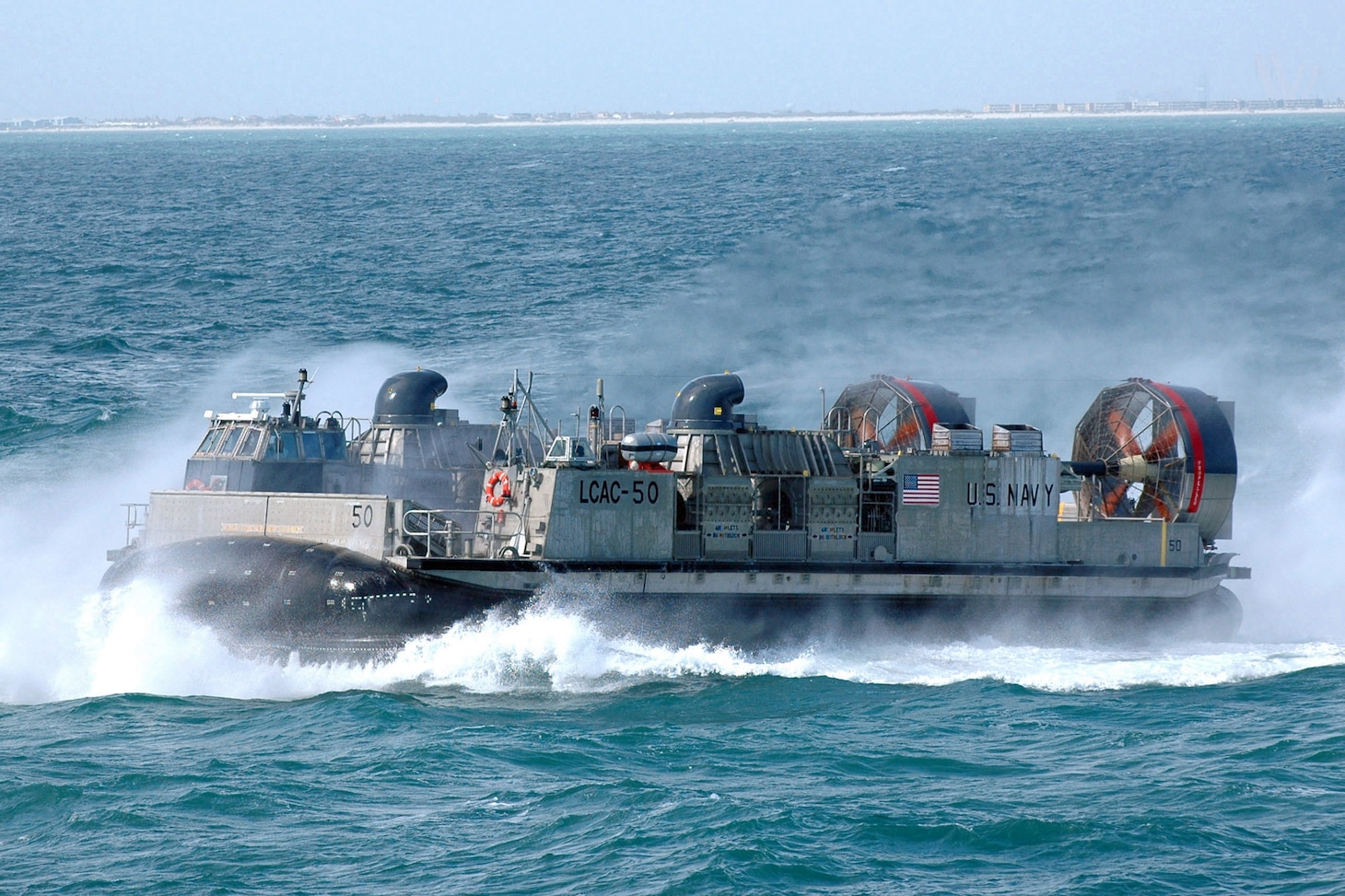
With thousands of US troops reportedly deploying to the region, planners are considering operations to neutralize Iran’s island defenses.
Possible strategies include:
1. Amphibious Assault
- Landing craft (LCACs) deploy troops directly onto beaches
- Requires naval ships to pass through heavily defended waters
2. Air Assault
- Helicopters and CV-22 Osprey aircraft insert troops
- Faster but vulnerable to air defenses
3. Airborne Drop
- Paratroopers from the 82nd Airborne Division
- Limited heavy equipment support
Each option carries significant risks due to Iran’s layered defenses.
Missiles, Drones, and Fast Boats
Iran’s Islamic Revolutionary Guard Corps (IRGC) can leverage the islands for:
- Fast-attack boat swarms
- Anti-ship missile launches
- Naval mine deployment
- Drone surveillance and strikes
This creates a “kill zone” effect, where enemy ships entering the Gulf could be targeted from multiple directions simultaneously.
How Long Would an Assault Take?
Military analysts estimate:
- Operations could take 2 days to 2 weeks
- Pre-assault airstrikes would target infrastructure on key islands
- 1,800–2,000 troops may be required for occupation
However, even after capture, US forces would remain exposed to:
- Missile strikes from mainland Iran
- Drone attacks
- Sustained artillery fire
This raises the risk of a prolonged and costly engagement.
Kharg Island vs Hormuz Islands: Strategic Trade-Off

While Kharg Island handles most of Iran’s oil exports, targeting it comes with major downsides:
Kharg Island
- Critical to Iran’s economy
- Damage could delay post-war recovery for years
Hormuz Islands
- Militarily strategic
- Lower economic damage risk
- Better control over shipping routes
Analysts suggest focusing on the Hormuz islands may offer greater military advantage with fewer long-term economic consequences.
Political Risks: UAE Dispute and Regional Fallout
The situation is further complicated by territorial disputes.
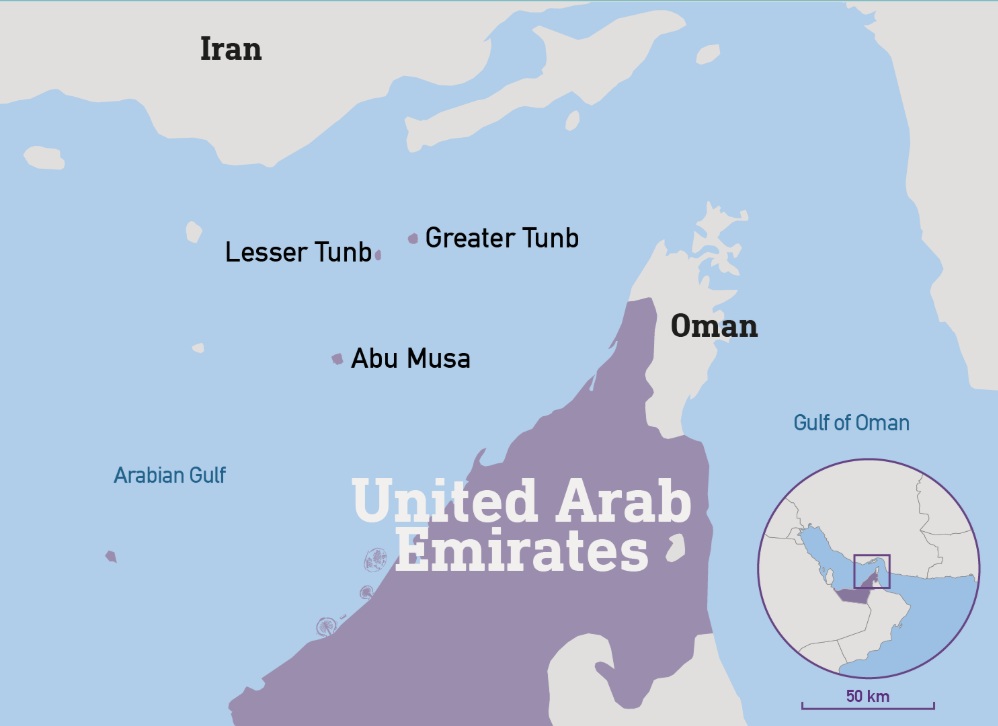
- The UAE claims Abu Musa and the Tunb islands
- Iran has controlled them since 1971
- The dispute remains unresolved at international level
Any US action could trigger:
- Diplomatic tensions with allies
- Legal disputes at global courts
- Long-term instability even after the conflict
Conclusion
Iran’s network of islands in the Strait of Hormuz represents one of the most formidable geographic defense systems in modern warfare.
While US forces may consider seizing these islands to secure naval access, the risks—from military resistance to political fallout—are immense.
In this high-stakes scenario, control of a few small islands could determine the balance of power in the Persian Gulf—and shape the future of global energy security.