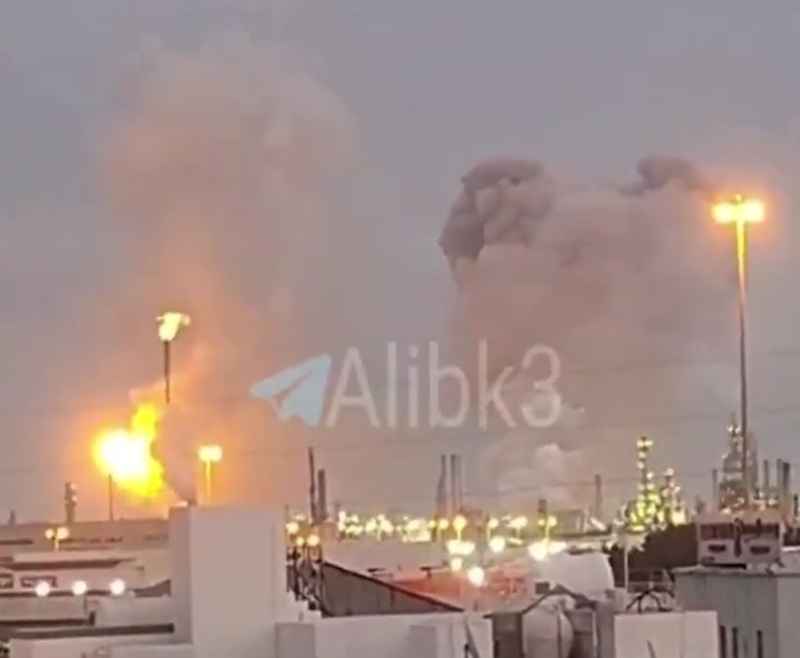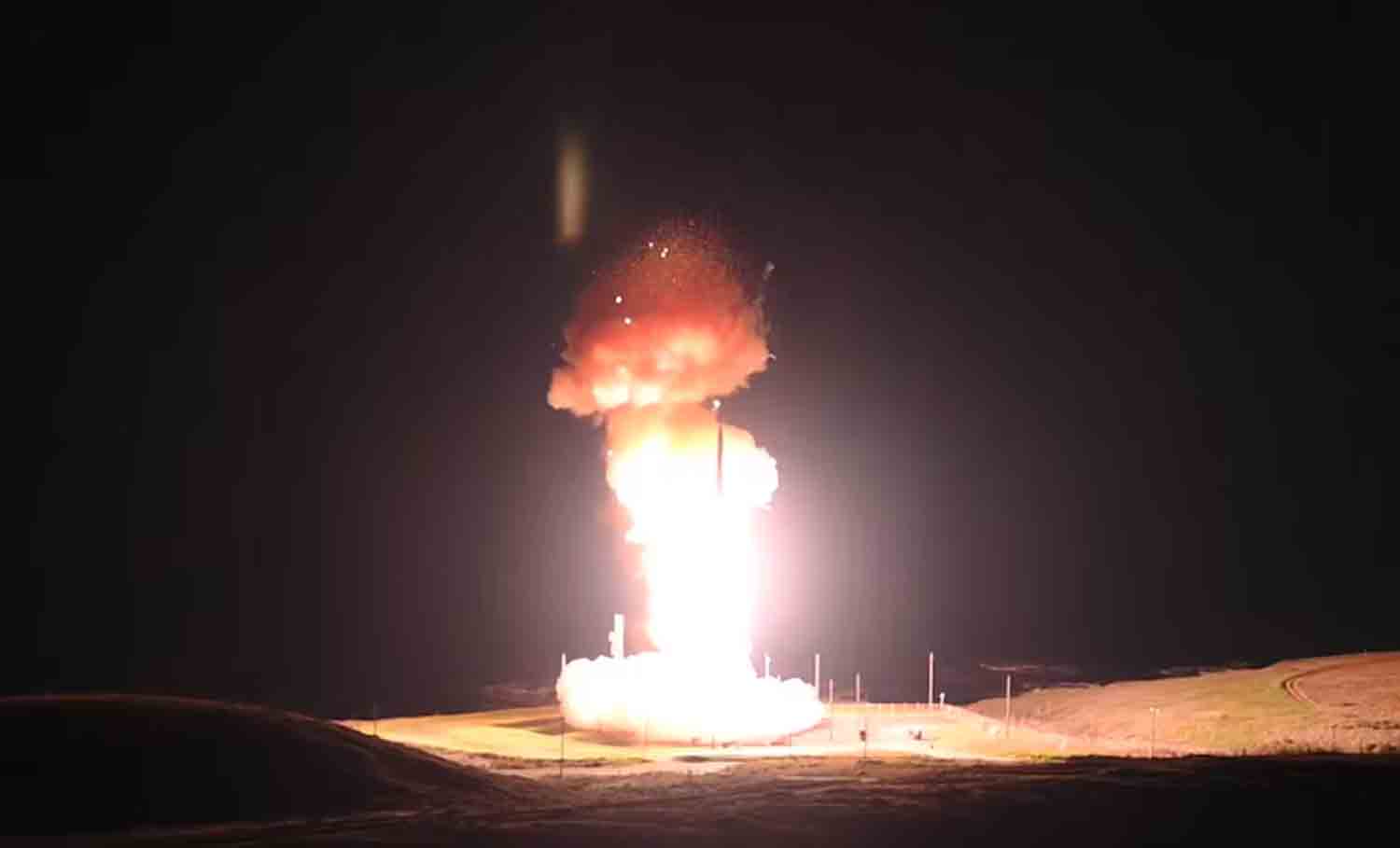
The Israeli military has released a new estimate suggesting that Iran rebuilt its medium-range missile arsenal to roughly 2,500 missiles after the brief but intense 12-day war last June.
Since the current conflict began, Iran has already fired an estimated 250–300 missiles, while Israeli airstrikes have targeted around 500 missile-related sites across Iran.
The numbers raise an important strategic question: how long can Iran sustain missile strikes capable of reaching Israel?
Iran’s Medium-Range Missile Inventory
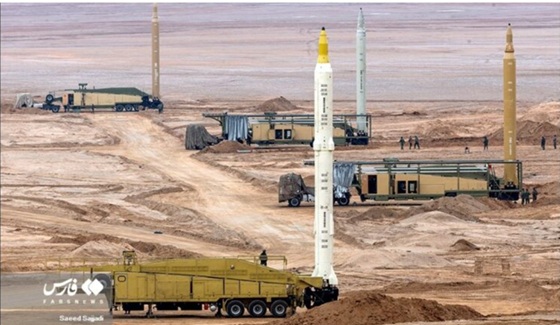
According to Israeli military assessments, Iran maintains several missile families capable of reaching Israeli territory.
These include both liquid-fuel and solid-fuel ballistic missiles, each with different operational characteristics.
Liquid-Fuel Missile Systems
Iran’s older but powerful medium-range missiles rely on liquid propellant.
Key systems include:
- Shahab-3
- Ghadr
- Emad
- Khorramshahr series
These missiles are relatively large:
- Length: 15–18 meters
- Diameter: about 1.25 meters
- Weight: 17–24 tons
Liquid-fuel missiles require more preparation time before launch but can carry larger payloads and longer ranges.
Solid-Fuel Missile Systems
Iran’s newer missile designs rely on solid propellant, which offers faster launch readiness and improved survivability.
Important systems include:
- Sejjil
- Kheibar Shekan
- Haj Qasem
- Extended Fateh-family variants
These missiles are more compact:
- Length: 11–13 meters
- Diameter: about 1 meter
- Weight: 5–10 tons
Solid-fuel missiles can be launched more quickly, making them harder to detect before firing.
Mobile Launchers: The Backbone of Iran’s Missile Strategy

Nearly all of Iran’s medium-range ballistic missiles are deployed using road-mobile transporter-erector-launchers (TELs).
These launchers typically consist of:
- Modified heavy commercial trucks
- 6×6, 8×8, or 10×10 chassis
- Platforms based on Mercedes, MAN, or locally produced vehicles
Most TEL systems carry one missile per launcher due to the large size and weight of the weapons.
Support vehicles transport additional missiles and equipment but also typically carry one missile at a time.
The reliance on TELs makes missile launchers high-value targets for surveillance drones and airstrikes.
Israeli Strikes on Missile Targets
Israeli officials say around 500 targets linked to Iran’s missile program have been struck during the conflict.
However, these targets include multiple categories:
- missile launchers
- storage depots
- logistics vehicles
- production facilities
- short-range missile assets
It remains unclear how many of these strikes destroyed actual medium-range ballistic missiles capable of reaching Israel.
Many of Iran’s missile stockpiles are believed to be stored in deeply buried underground facilities known as “missile cities.”
Because of this, Israeli operations largely focus on detecting launch activity and destroying mobile launchers above ground.
Estimating Iran’s Remaining Missile Stockpile
If Iran began the conflict with approximately 2,500 medium-range missiles, and roughly:
- 250 missiles have been launched, and
- 250 additional missiles destroyed in strikes
then Iran may have already expended or lost about 500 missiles.
That would leave roughly 2,000 missiles still available in its arsenal.
If Iran maintained the current launch pace, that stockpile could theoretically be depleted within about five days.
However, military analysts believe this scenario is unlikely.
Why Iran May Slow Its Missile Launches
Iranian commanders have repeatedly stated that their goal is to outlast the Israeli-U.S. campaign, rather than exhaust their arsenal in a short period.
For that reason, Iran may deliberately reduce its launch tempo.
Instead of large salvos, the conflict could shift toward smaller, more controlled missile strikes.
This strategy allows Tehran to:
- preserve remaining missile stockpiles
- maintain long-term pressure on Israel
- avoid exposing too many launch sites at once
The “Missile City” Advantage
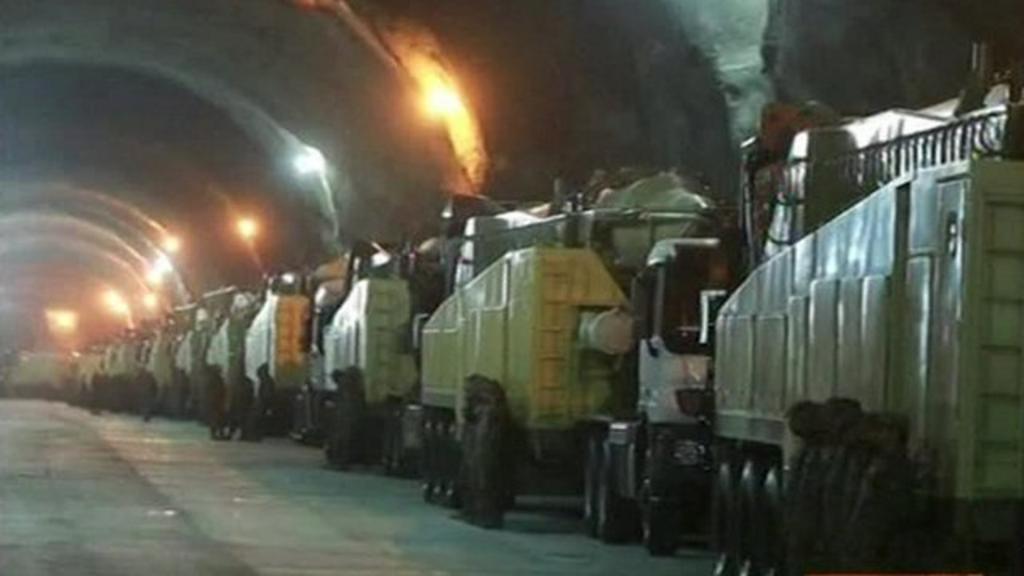
A major component of Iran’s missile survivability strategy is its network of underground missile bases, often referred to as “missile cities.”
These facilities include:
- deep tunnels built into mountains
- underground storage halls
- concealed launch portals
Such infrastructure is designed to protect missiles from airstrikes and surveillance.
However, launching missiles from these facilities still produces thermal and electromagnetic signatures.
These signatures can be detected by satellites, drones, and electronic intelligence systems, allowing opposing forces to locate launch points shortly after firing.
Launch Bottlenecks and Surveillance Pressure
Another challenge facing Iran is the degradation of its launcher fleet.
If Israeli airstrikes have successfully destroyed a significant number of TEL vehicles, Iran could face a bottleneck in generating large missile salvos.
At the same time, persistent ISR (intelligence, surveillance, and reconnaissance) coverage from drones and satellites makes it increasingly difficult for Iranian missile units to operate undetected.
This surveillance pressure may further slow the rate of launches.
What the Next Phase of the War Could Look Like
Taken together, these factors suggest the missile war may evolve into a lower-intensity but sustained campaign.
Instead of massive barrages, Israel may face steady waves of smaller missile launches.
Analysts believe the likely pattern could be:
- 10–20 missiles launched at a time
- irregular intervals between strikes
- emphasis on preserving Iran’s remaining arsenal
However, if the Iranian leadership believes regime survival is at stake, the situation could change rapidly.
In that scenario, Tehran could decide to launch large remaining missile reserves in a final escalation.
The Strategic Balance
Iran’s missile program has been built over 25–30 years, making it one of the largest ballistic missile arsenals in the Middle East.
While Israeli and U.S. strikes are steadily degrading missile infrastructure, the remaining arsenal is still substantial.
The key question is not just how many missiles Iran has left, but how long it can maintain pressure while protecting its remaining launch capability.
That balance will likely determine how the missile war evolves in the coming weeks.