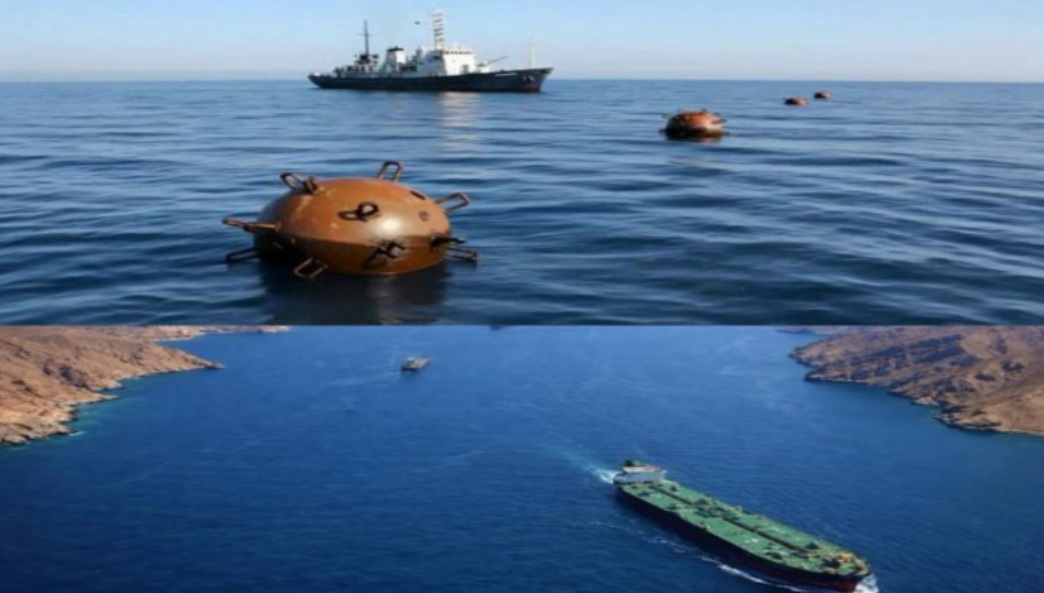
Iran is facing a major strategic setback in the Strait of Hormuz, as it is reportedly unable to fully reopen the critical shipping route because it cannot locate all the sea mines it laid during the conflict, according to senior U.S. officials cited by The New York Times.
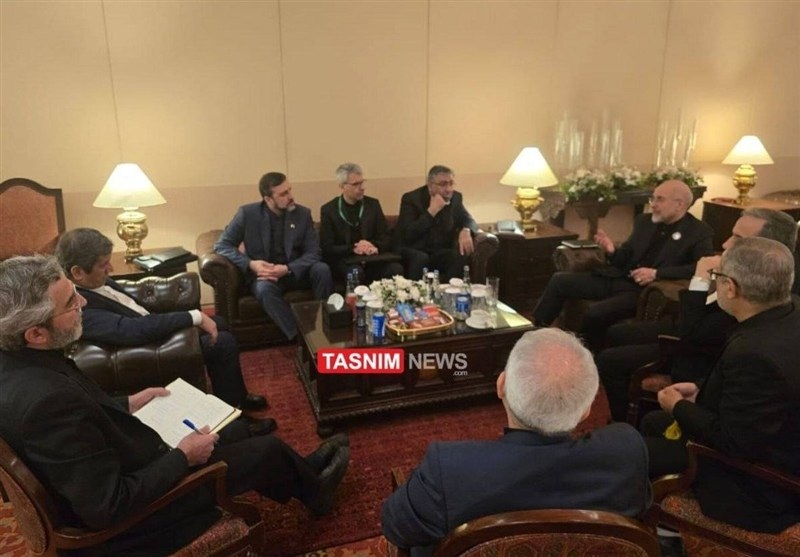
The crisis has now become a major obstacle in the ongoing ceasefire and peace negotiations taking place in Pakistan, where Iranian and U.S. delegations are discussing terms to stabilize the region. Recent reporting also indicates that U.S. forces have begun mine-clearing operations in the waterway.
How Iran’s Mining Strategy Backfired
According to the report, the Islamic Revolutionary Guard Corps (IRGC) began chaotically mining the strait using small boats immediately after the start of U.S. and Israeli military operations against Iran in March 2026.
Senior U.S. officials believe the mines were deployed without properly recording their exact coordinates. As a result, Tehran now faces serious difficulties in locating them.
Ocean currents may also have shifted some of the mines, while others may have been placed in unstable positions that allowed them to drift from their original locations.
This has created a dangerous situation where even Iran itself cannot safely restore full maritime traffic through one of the world’s most important trade chokepoints.
Strait of Hormuz Remains Critical for Global Oil Markets
The Strait of Hormuz remains one of the most important maritime chokepoints in the world, with nearly 20% of global oil supplies passing through it every day.
Any prolonged disruption in this narrow waterway directly affects:
- global crude oil prices
- LNG shipments
- Gulf energy exports
- international shipping insurance costs
During the conflict, Iran used mine-laying as a pressure tactic against the United States and its allies.
However, this strategy now appears to have backfired on Tehran, as the mines are also preventing Iran from quickly meeting U.S. demands to restore navigation.
Currently, only limited “safe corridors” designated by Iran are open, but these routes remain insufficient for restoring normal commercial shipping.
Limited Mine-Clearing Capabilities on Both Sides
One of the biggest challenges is the severe shortage of specialized minesweeping assets in the region.
Despite possessing an estimated 2,000 to 6,000 naval mines, Iran reportedly lacks modern mine countermeasure systems.
The country primarily relies on:
- small IRGC boats
- limited Ghadir-class submarine capabilities
- basic naval surveillance assets
However, it has very limited capacity to detect and neutralize mines effectively, especially when their exact locations are unknown.
Even U.S. officials acknowledge that the United States also faces challenges in rapid mine-clearing operations in the Gulf.
US Navy Faces Its Own Operational Challenges
The situation is further complicated by recent changes in the U.S. Navy’s mine warfare fleet.
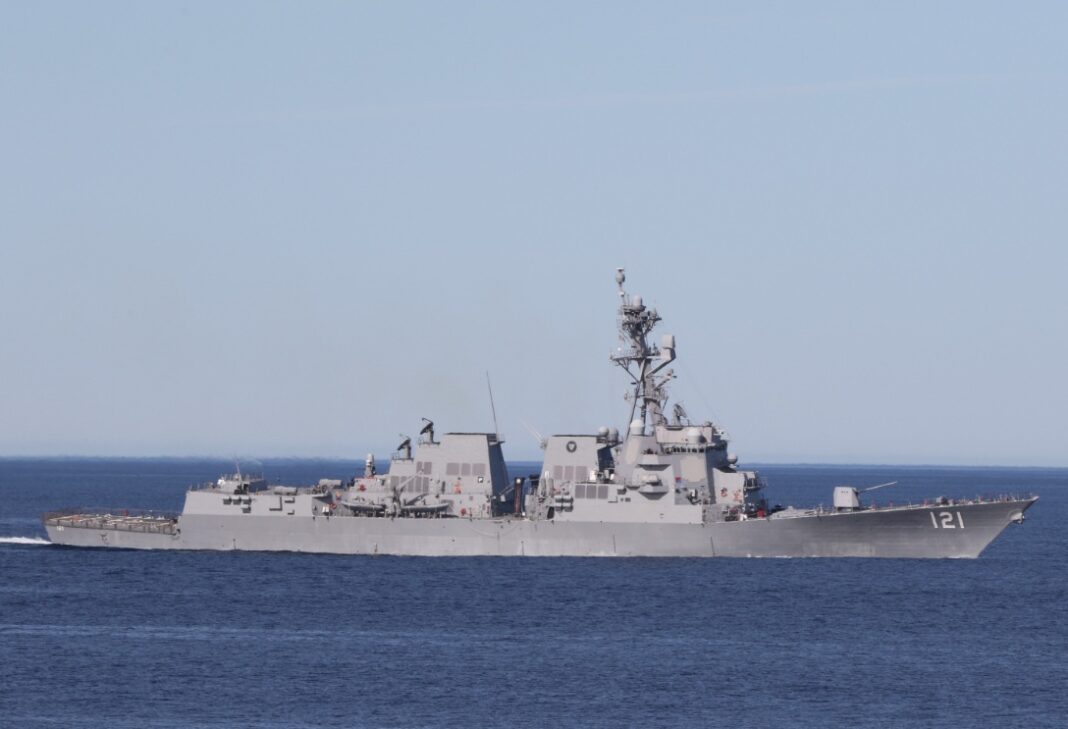
In September 2025, the U.S. Navy decommissioned its last four Avenger-class minesweepers previously based in Bahrain, ending decades of dedicated mine-clearing presence in the Persian Gulf.
These vessels were replaced by Independence-class Littoral Combat Ships (LCS) equipped with the Mine Countermeasures Mission Package.
The package includes:
- unmanned surface vessels
- underwater drones
- sonar systems
- MH-60S helicopters
While technologically advanced, these systems have not yet been fully tested in major combat conditions, raising concerns over how quickly the strait can be cleared.
At the start of the conflict, some of these vessels were also deployed outside the immediate Gulf region, including areas near Singapore, Malaysia, and the Indian Ocean.
Clearing Hormuz Could Take Weeks or Months
Security and naval experts now forecast that clearing the Strait of Hormuz may take weeks or even months.
Modern mine warfare heavily favors the side laying the mines because deployment is significantly faster and cheaper than removal.
The combination of:
- limited minesweepers
- untested unmanned systems
- drifting mines
- continued military risks
means a full restoration of shipping could face prolonged delays.
This issue has now become a central element in the Pakistan-hosted ceasefire talks, where Iranian Foreign Minister Abbas Araghchi has reportedly raised the “technical limitations” surrounding the reopening of the strait.