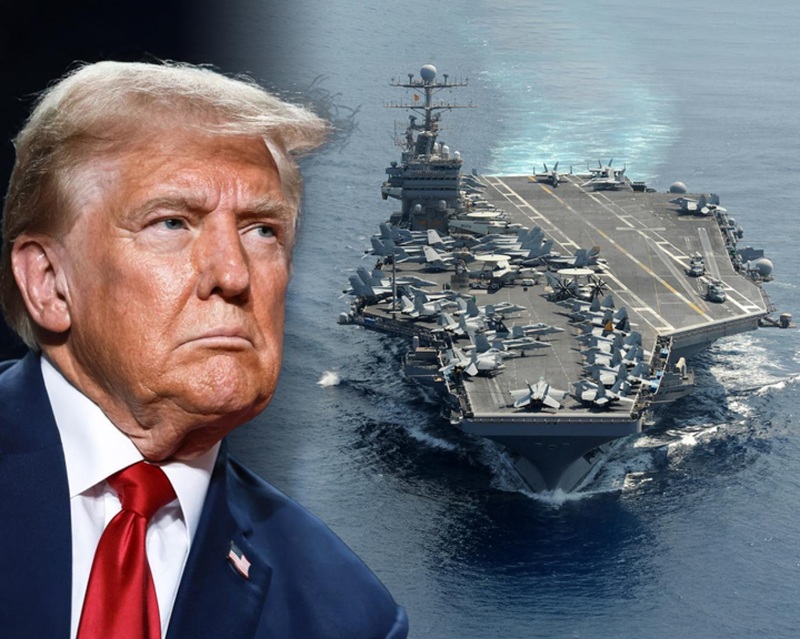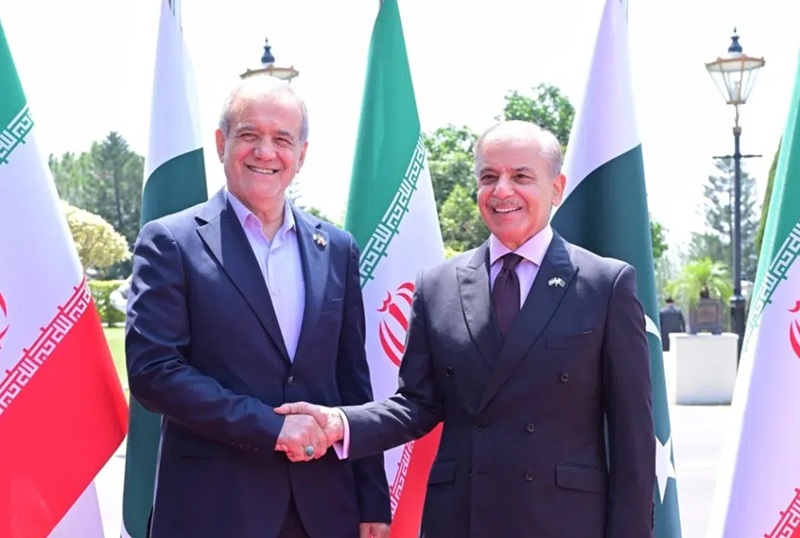
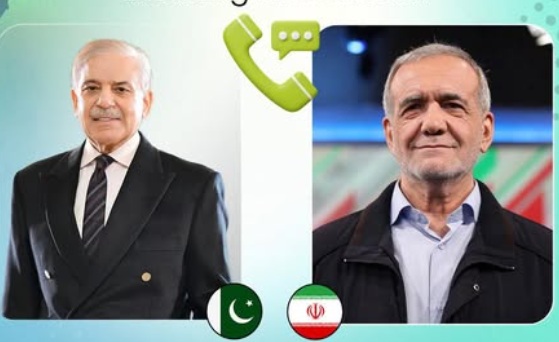
As the Iran war enters a dangerous phase centered on the Strait of Hormuz, a group of regional and international mediators—including Turkey, Egypt, and Pakistan—has emerged at the forefront of diplomatic efforts to prevent further escalation.
These countries are actively engaging both Washington and Tehran in an attempt to stabilize the conflict and reopen critical energy routes, according to multiple reports.
Why Mediation Has Become Urgent
The urgency behind these diplomatic efforts is driven by three converging crises:
1. Strait of Hormuz Disruption
- Around 20% of global oil and LNG flows pass through the strait
- Shipping disruptions have triggered market volatility
- Global supply chains are under pressure
2. Energy Infrastructure Threats
- Both sides have threatened to target power grids and energy facilities
- Risk of regional “energy war” affecting Gulf states
3. Expanding Military Escalation
- Ongoing missile exchanges
- Strikes on infrastructure across Iran and the Gulf
- Rising civilian and economic costs
These factors have transformed the conflict into a global strategic concern, not just a regional war.
The Role of Key Mediator Countries
Turkey: Strategic Balancer
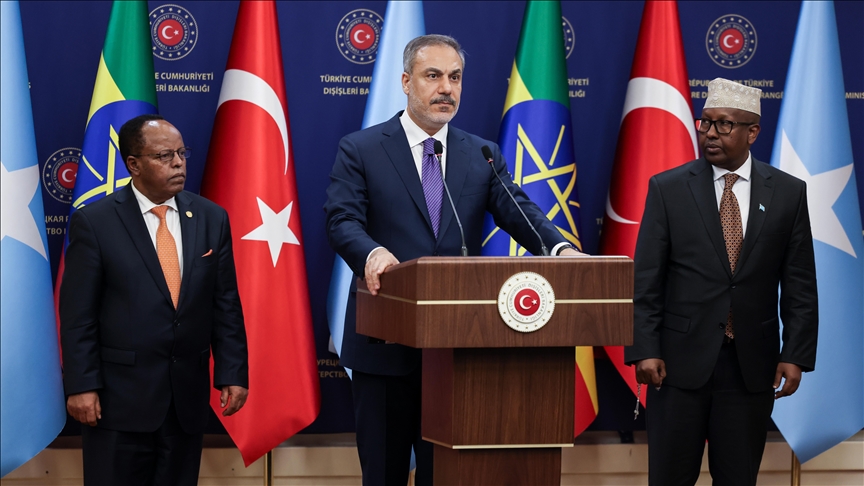
Turkey is leveraging its unique position as a NATO member with regional influence to facilitate dialogue.
- Maintains communication channels with both sides
- Positioned as a neutral but influential intermediary
- Focused on preventing escalation that could destabilize the wider region
Egypt: Stabilizer of Arab Consensus
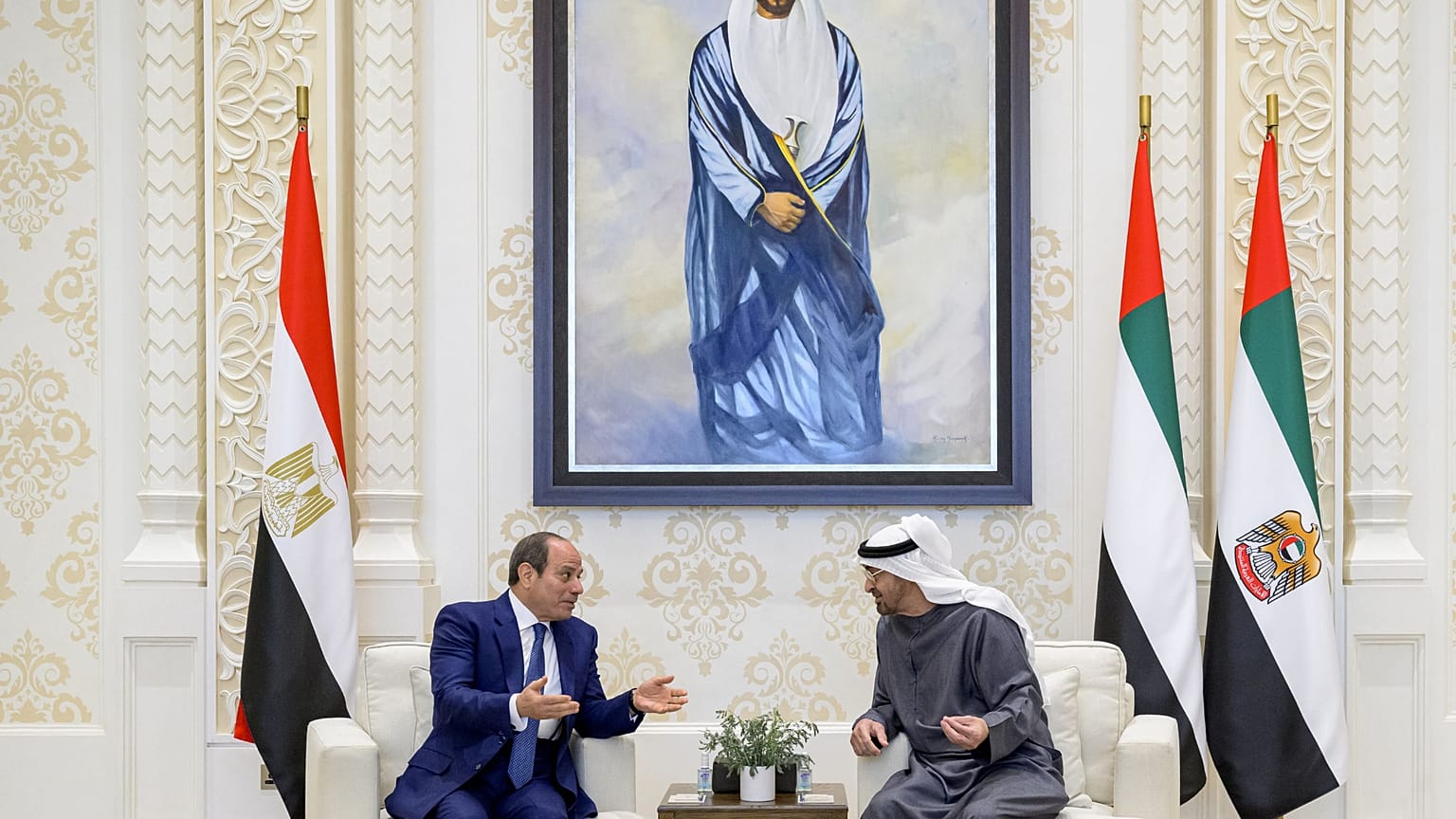
Egypt is playing a central role in coordinating Arab diplomatic responses.
- Advocates for de-escalation across the Gulf
- Engages with multiple stakeholders simultaneously
- Seeks to prevent spillover into neighboring states
Pakistan: Bridge Between Blocs
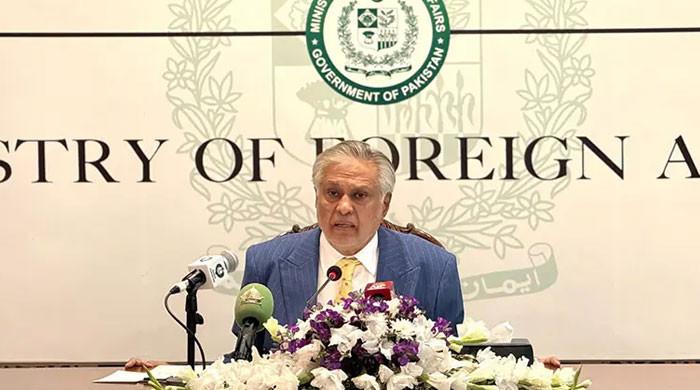
Pakistan is acting as a bridge between competing geopolitical blocs.
- Maintains relations with both Iran and Western partners
- Participating in backchannel diplomacy
- Supporting efforts to reduce tensions through dialogue
Multi-Layered Diplomatic Channels
Mediation is not limited to direct talks. Instead, it involves a complex network of interactions:
- Backchannel negotiations
- Indirect messaging through intermediaries
- Regional coordination efforts
- Quiet diplomatic engagements behind closed doors
This reflects the reality that formal negotiations remain politically sensitive, particularly for Iran.
Challenges Facing Mediators
Despite active engagement, mediators face significant obstacles:
Lack of Direct Talks
Iran has denied direct negotiations with the United States, complicating progress.
Ongoing Military Operations
Active strikes and retaliation cycles undermine diplomatic momentum.
Conflicting Strategic Goals
Each side seeks leverage, making compromise difficult.
What Success Would Look Like
If mediation efforts succeed, several outcomes are possible:
Short-Term Outcomes
- Reduction in strikes
- Stabilization of energy flows
- Temporary ceasefire
Medium-Term Outcomes
- Reopening of the Strait of Hormuz
- Framework for continued negotiations
Long-Term Outcomes
- Broader regional security arrangements
- Reduced risk of large-scale war
What Failure Could Mean
If mediation fails, the consequences could be severe:
- Expansion into regional energy war
- Attacks on Gulf infrastructure
- Prolonged global economic disruption
- Increased risk of direct confrontation
A Diplomatic Race Against Time
The involvement of Turkey, Egypt, and Pakistan highlights a critical reality:
Diplomacy is now operating under extreme time pressure
With markets reacting instantly and military operations ongoing, mediators are working to prevent the conflict from crossing a threshold beyond which de-escalation becomes far more difficult.
Conclusion
As the Iran war intensifies, mediation efforts led by Turkey, Egypt, and Pakistan represent one of the few remaining pathways to prevent a wider regional and global crisis.
Their success—or failure—may determine whether the conflict stabilizes through diplomacy or escalates into a prolonged and far more destructive confrontation.