Public debate about the ongoing conflict involving Iran has largely focused on the opening military strikes and the immediate battlefield outcomes.
However, history suggests that the real strategic challenge often emerges later in the conflict cycle. Over more than a century of warfare, conflicts frequently follow a recognizable escalation pattern:
Initial strike → retaliation → widening pressure for escalation
Understanding this dynamic helps explain why wars rarely end quickly and why the most dangerous stage may still lie ahead.
Here are four strategic realities that often shape how wars evolve—and how they eventually end.
Truth #1: No President Can Simply “End” the War
Political leaders may declare victory or announce troop withdrawals, but wars rarely end through unilateral decisions.
Imagine a scenario where a U.S. president announces the end of the Iran war and orders most American forces to leave the Persian Gulf.
Several critical questions would immediately arise:
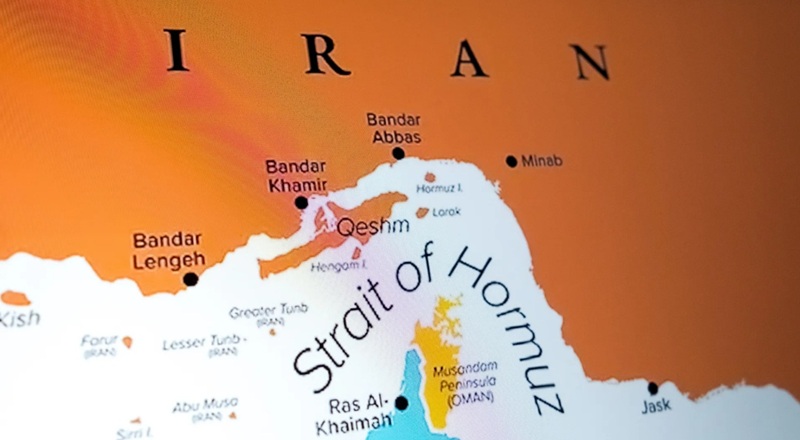
- Would Iran abandon its leverage over the Strait of Hormuz, one of the world’s most vital oil shipping routes?
- Would Israel halt military operations against Iranian targets?
- Would Russia or other international actors stop supporting Tehran?
In modern geopolitics, war termination is a multilateral process involving multiple governments, alliances, and strategic interests.
No single leader can simply declare a conflict finished.
Truth #2: Military Victory Does Not Guarantee Strategic Success
Winning battles or even toppling a government does not automatically translate into strategic success.
Consider a hypothetical scenario where months of airstrikes and military pressure lead to the collapse of Iran’s ruling regime.
At first glance, this might appear to be a clear military victory.
But what if the consequences include:
- Oil prices surging above $150 per barrel
- Tanker shipping avoiding the Gulf due to security risks
- Global inflation accelerating
- Financial markets falling amid energy shortages
In such circumstances, the broader economic consequences could overshadow the military outcome.
War is not judged solely by battlefield success but also by its economic and political aftermath.
Truth #3: Bombing Campaigns Rarely Force Regimes to Surrender
Airpower can inflict enormous destruction, but history shows that it rarely compels political leaders to surrender on its own.
During the Vietnam War, the United States dropped more than two million tons of bombs on North Vietnam and surrounding areas.
Despite the scale of the bombing campaign, North Vietnam’s leadership did not capitulate.
Airpower can devastate infrastructure, destroy supply lines, and disrupt military operations.
But political systems often endure far greater punishment than physical infrastructure.
In simple terms:
Bombs break buildings—rarely regimes.
Truth #4: The Most Dangerous Phase of War Is the Middle
The early stages of conflict often attract the most attention.
Initial strikes dominate headlines, and immediate retaliation follows.
Yet historically, the middle phase of war often proves the most dangerous.
At this stage, several dynamics begin to overlap:
- Escalating military operations
- Expanding proxy conflicts
- Volatile global markets
- Quiet intervention by outside powers
Imagine the situation six weeks into the current conflict:
- More strikes inside Iranian territory
- Regional proxy groups launching attacks
- Oil markets swinging wildly
- External powers providing covert assistance to different sides
This phase creates the greatest risk of miscalculation and uncontrolled escalation.
A Critical Question for the Iran Conflict
The pattern seen throughout modern military history raises an important question about the current conflict.
If the opening strikes have already occurred and retaliation is underway, the next stage may involve expanding pressure from multiple directions.
In other words, the most dangerous phase may not be the beginning of the war—but the period after the first exchange of blows.
The key strategic question now is simple:
Has the middle phase of the Iran war already begun?