


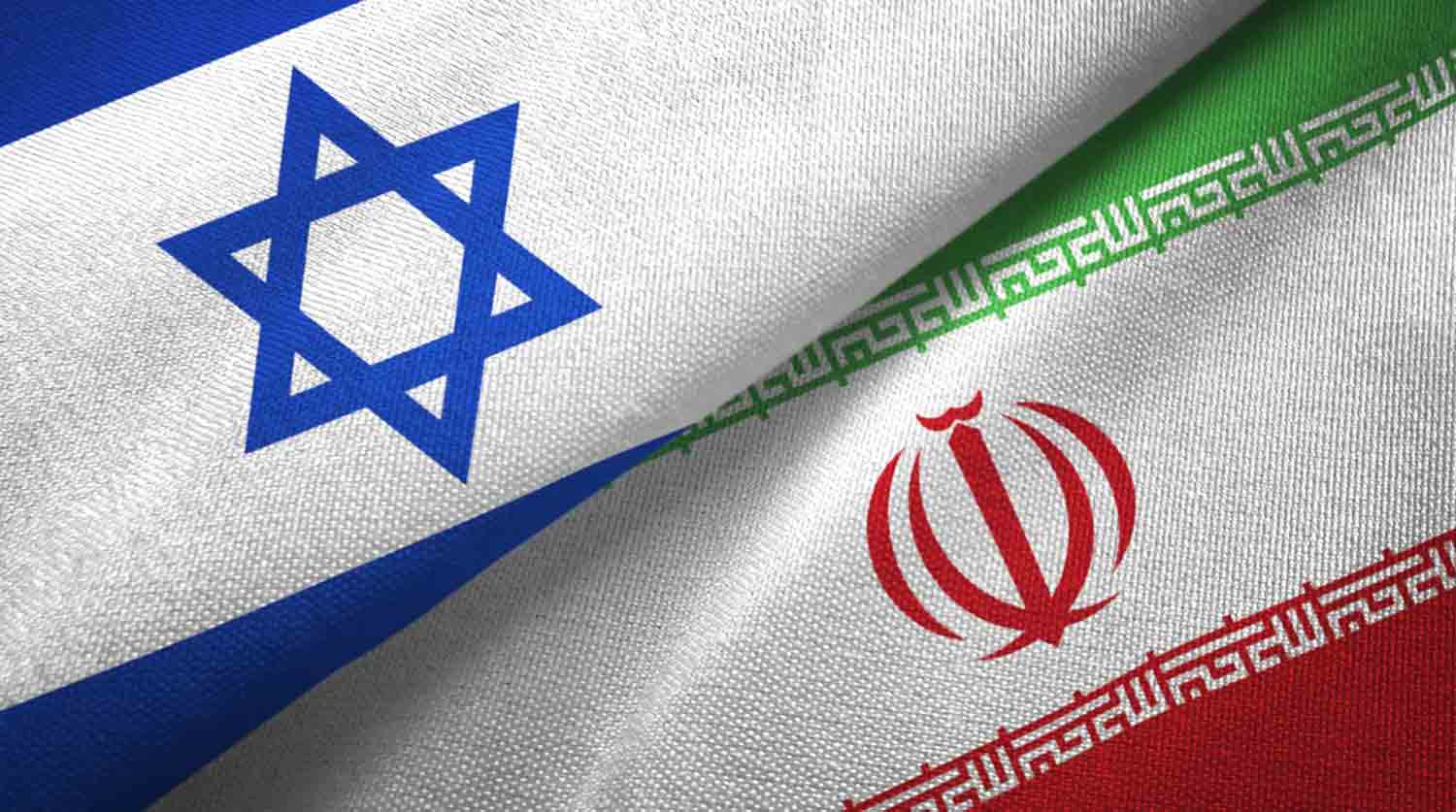
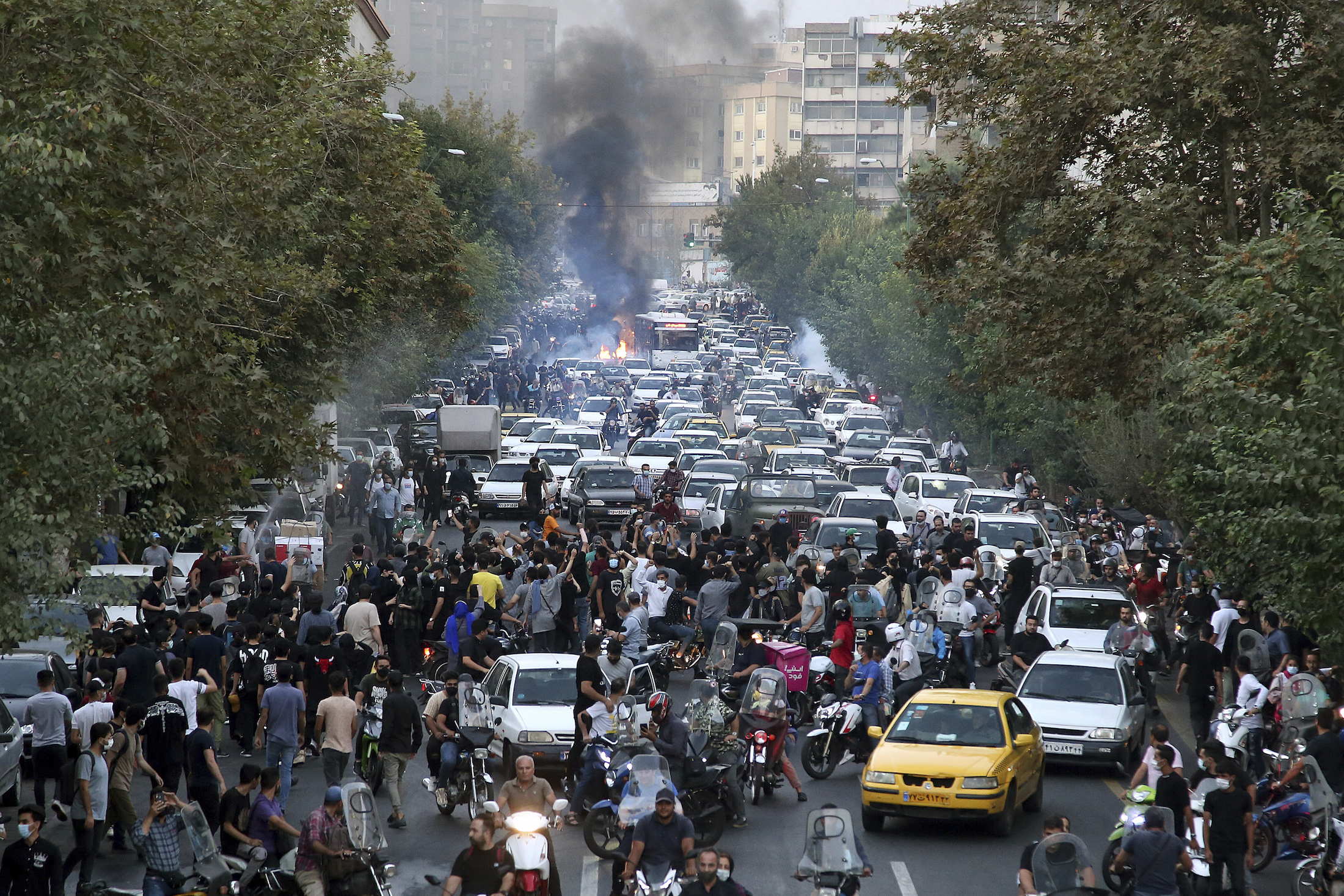
The Jerusalem Post reports that there are growing indications Washington is considering some form of intervention in Iran as nationwide protests continue to challenge the Iranian leadership, a development that has drawn close attention in Israel and across the Middle East.
According to the report, Israel was caught off guard by the recent U.S. intervention in Venezuela, particularly the speed and decisiveness with which Washington acted. Israeli analysts now assess that the Venezuela operation may have lowered the political and strategic threshold for similar U.S. actions elsewhere — including Iran.
Venezuela as a Strategic Precedent
Israeli security assessments cited by the Jerusalem Post suggest that the Venezuela intervention demonstrated a new American willingness to act unilaterally when Washington perceives a convergence of national security, counter-narcotics, and regional stability interests.
In Israeli strategic thinking, Venezuela served as a test case:
- rapid execution
- limited on-the-ground footprint
- strong political messaging
- framing the action as law enforcement and security enforcement rather than regime change
This model, analysts say, could be adapted to Iran—not necessarily through a full-scale military invasion, but via targeted actions designed to accelerate internal pressure on the regime.
What ‘Intervention’ Could Mean
The Jerusalem Post emphasizes that intervention does not automatically imply military invasion. Instead, U.S. options under discussion are understood to span a wide spectrum:
- Expanded covert and cyber operations targeting Iranian security and surveillance networks
- Information and psychological operations to amplify protest messaging and weaken regime cohesion
- Legal and financial warfare, including aggressive sanctions enforcement and asset seizures
- Targeted kinetic actions, such as arrests, interdictions, or strikes against specific regime-linked nodes, framed under counterterrorism or nonproliferation authorities
Israeli officials believe Washington is deliberately maintaining strategic ambiguity to avoid triggering premature escalation.
Israel’s Calculus
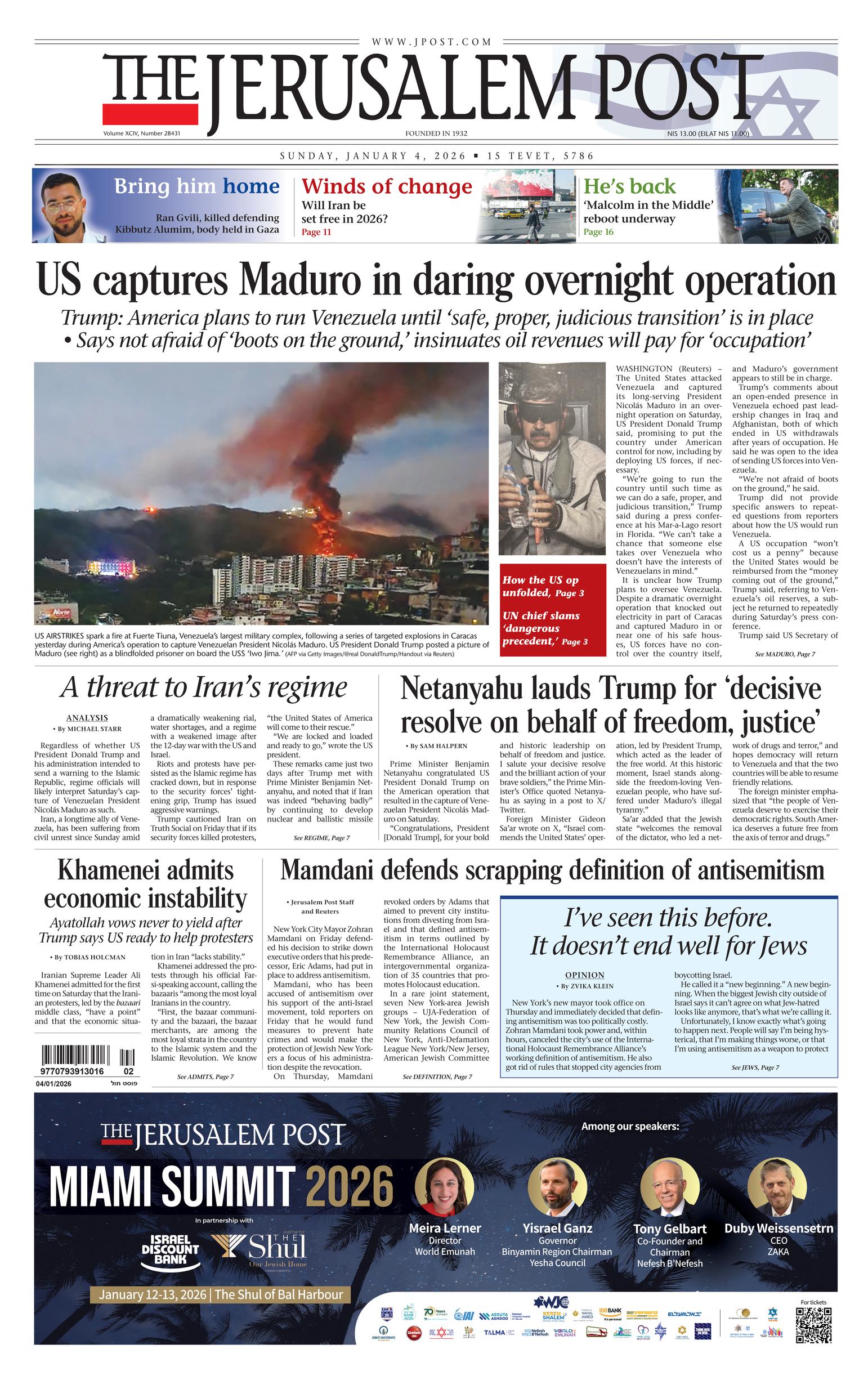
From Israel’s perspective, any U.S. move on Iran carries profound implications. Israeli security planners reportedly see the current protests as the most serious internal challenge to the Iranian system since 2022, with economic collapse, currency devaluation, and elite fragmentation intensifying public anger.
The Jerusalem Post notes that Israeli leaders are assessing whether U.S. action—if it comes—would aim to:
- weaken Iran’s regional proxy networks
- disrupt nuclear and missile programs
- or catalyze a broader political transition
Israel is said to favor maximum pressure without uncontrolled war, preferring calibrated U.S. involvement that avoids a regional explosion.
Caution Inside Washington
Despite speculation, the report stresses that no final decision has been made in Washington. Senior U.S. officials remain wary of the risks of escalation, particularly given Iran’s capacity to retaliate through regional allies and asymmetric means.
However, the political context has shifted. The combination of:
- sustained protests inside Iran
- perceived regime vulnerability
- and the precedent set in Venezuela
has, in Israeli eyes, expanded the menu of U.S. policy options in ways that would have been unthinkable just months ago.
Regional Implications
If the United States were to intervene — overtly or covertly — it would mark a fundamental shift in Middle East power dynamics, potentially emboldening Iranian protesters while raising the stakes across the region.
For Israel, the key concern is control and sequencing: intervention that weakens Tehran without triggering a multi-front war involving Hezbollah, Syria, or Iraq.
Analysis
The Jerusalem Post’s reporting reflects a broader reassessment underway among U.S. allies: that Venezuela was not an isolated episode, but a signal of a more assertive American posture toward regimes Washington deems hostile.
Whether Iran becomes the next arena will depend on the durability of protests, the cohesion of Iran’s security forces, and Washington’s tolerance for risk. What is clear, Israeli analysts argue, is that the Venezuela operation has changed the strategic conversation — and Iran is now firmly part of it.


