Israel is reported to be exploring the possibility of recognising a UAE-backed political entity in southern Yemen, viewing such a move as a potential strategic counterweight to the Iran-aligned Houthi movement along the Red Sea coast, according to Israeli media analysis. However, officials have not confirmed any decision, and the issue remains speculative.
The report was outlined by Roi Kais, head of the Arab affairs desk at Israel’s public broadcaster Kan 11, who said there has been no public response from UAE-supported forces in southern Yemen following Israel’s recent move on Somaliland. Kais noted that any reaction, if it comes, is likely to remain unofficial.
Behind closed doors, Kais said, elements within UAE-backed southern Yemeni forces have expressed hope that Israel’s recognition of Somaliland could eventually be followed by recognition of a southern Yemeni entity they seek to establish—most commonly associated with the Southern Transitional Council (STC).
Strategic Logic: Red Sea and the Houthis
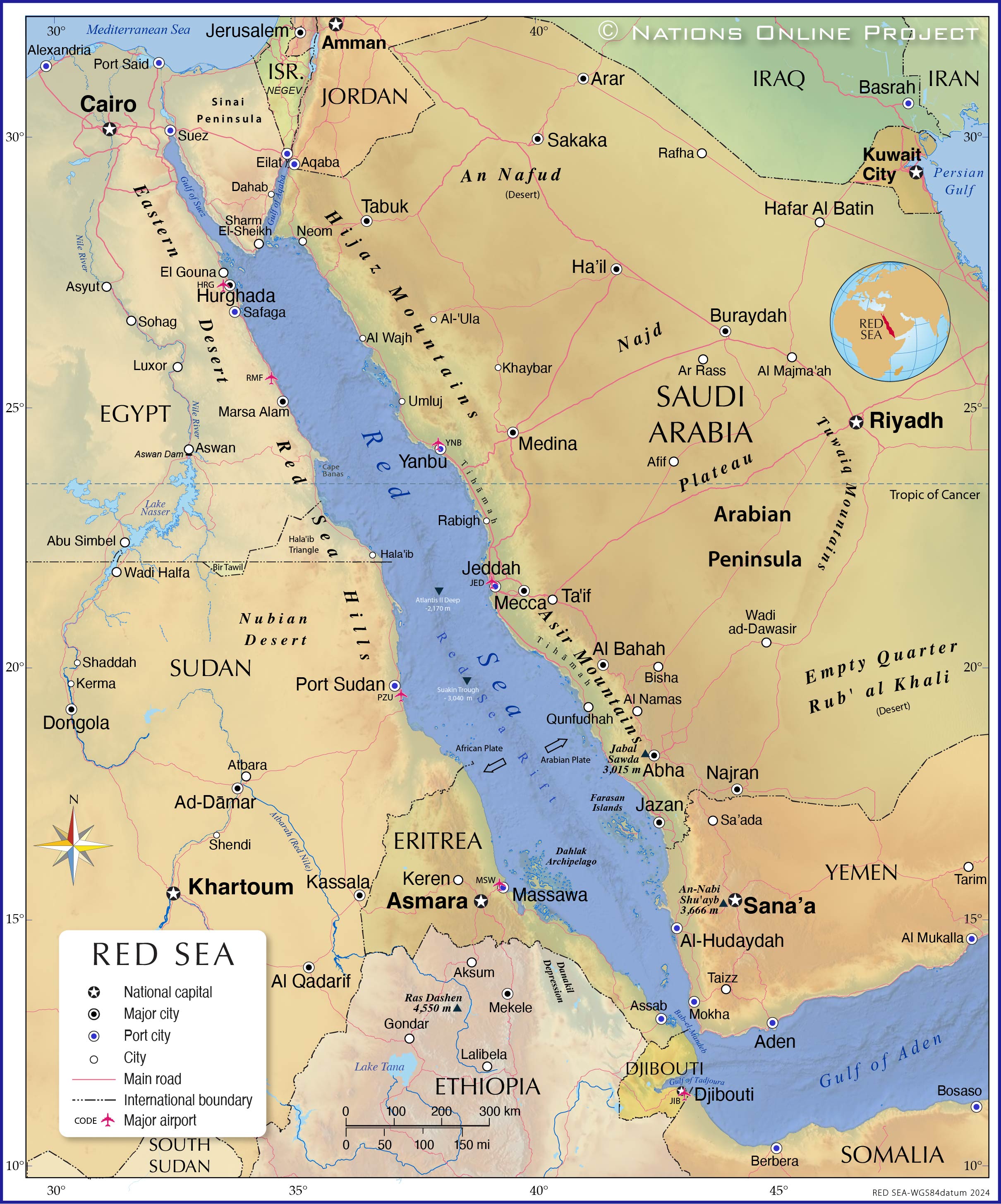
Analysts point to geography as the core driver. An Israeli relationship with Somaliland—and potentially with a southern Yemeni authority—could expand intelligence, logistics, and maritime coordination along the Red Sea, a corridor increasingly targeted by Houthi missiles and drones amid the Gaza war and regional escalation.
Kais argued that such cooperation could “seriously disturb” the Houthis, whose power base lies in northern Yemen, by tightening pressure along the coast and sea lanes vital to global shipping. Southern Yemen’s coastline, including ports near the Bab el-Mandeb, is considered strategically significant for any effort to deter Houthi attacks.
Regional Frictions and Yemen’s Southern Battles
The report also notes recent battlefield gains by UAE-backed southern forces in southeastern Yemen at the expense of Saudi-aligned units—developments that have reportedly fueled quiet tensions between Riyadh and Abu Dhabi over end-states in Yemen. Whether Israel would “enter the southern Yemeni file” remains uncertain.
Fact Check: Somaliland Recognition and International Positions
- Israel’s Somaliland move: Israeli media report a recognition announcement, but international confirmation remains limited, and reactions suggest the issue is diplomatically contentious.
- International stance: The United States Department of State reiterated that Washington continues to recognise Somalia’s territorial integrity, which includes Somaliland.
- Precedent: Taiwan recognised Somaliland in 2020. Claims that Israel would be only the “second” recogniser are disputed by multiple diplomatic trackers.
- Regional reactions: Somalia, Turkey, and Egypt have criticised any recognition of Somaliland, citing sovereignty concerns.
A joint statement cited by Israeli outlets referenced Benjamin Netanyahu, Gideon Sa’ar, and Somaliland’s president Abdirahman Mohamed Abdullahi. However, diplomats caution that formal recognition processes typically require wider legal and diplomatic steps that have not been independently verified.
Security Risks
The Houthis have warned that any Israeli presence in Somaliland—or along allied Red Sea coasts—would be considered a military target, raising the risk of escalation if Israel deepens its footprint.
Outlook
For now, Israel’s deliberations regarding southern Yemen remain unofficial and exploratory. Any move toward recognition would carry high diplomatic costs, sharpen Gulf rivalries, and potentially widen the Red Sea confrontation. Whether Israel proceeds—or keeps engagement discreet—will depend on regional reactions, U.S. positions, and the evolving Yemen battlefield.