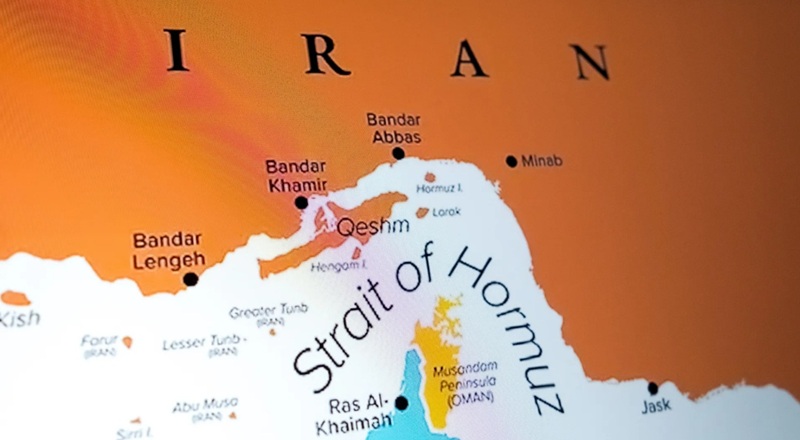
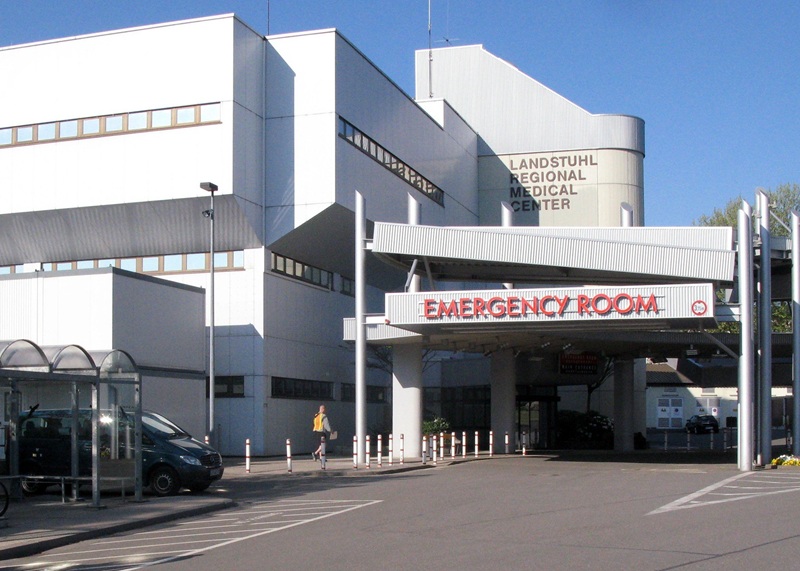
The Landstuhl Regional Medical Center (LRMC) in Germany has reportedly suspended its labor and delivery services as it reallocates resources to treat wounded personnel evacuated from the ongoing conflict in the Middle East.
Located near Ramstein Air Base, the largest U.S. Air Force installation in Europe, Landstuhl serves as the primary medical evacuation hub for injured American service members from Europe, Africa, and the Middle East.
According to reports, hospital leadership made the decision to pause maternity services in order to prioritize treatment for combat casualties arriving from the region.
🇺🇸🇩🇪 Landstuhl Regional Medical Center (LRMC) in Germany, the largest U.S. military hospital abroad, suspended its labor and delivery services “until further notice” via a memo dated around March 3-4, 2026.
The suspension prioritizes the hospital’s “primary objective” of… pic.twitter.com/F8ci8U3FpR
— DD Geopolitics (@DD_Geopolitics) March 6, 2026
The Key U.S. Military Hospital Overseas
Landstuhl Regional Medical Center holds a unique role within the U.S. military medical system.
The hospital is the only U.S. Level II trauma center located outside the United States and is designed to provide advanced treatment for seriously wounded personnel evacuated from combat zones.
Patients are typically transported to the facility through a coordinated medical evacuation network involving military aircraft and regional bases.
Once stabilized at Landstuhl, some patients are later transferred to hospitals in the United States for long-term treatment and rehabilitation.
Emergency Measures Implemented
Reports indicate that the hospital has begun reallocating staff, space, and resources to handle a possible surge of wounded service members.
A memorandum signed by hospital leadership reportedly stated that the decision was made at a “very high level” within the U.S. defense establishment, underscoring the seriousness of the situation.
The medical center has also reportedly issued urgent calls for blood donations, which often signals preparations for large numbers of trauma patients.
Rising Casualty Concerns
The emergency measures come amid reports of extensive missile and drone strikes targeting U.S. military facilities across the Middle East.
Iranian officials claimed early in the conflict that hundreds of U.S. personnel had been killed, although U.S. authorities have not confirmed those figures.
At the same time, Iranian-aligned militia groups in Iraq have claimed responsibility for attacks that they say caused more than 100 U.S. casualties at facilities used by American personnel.
Independent confirmation of these claims remains limited.
Lessons From Previous Conflicts
Past incidents have shown that initial casualty figures during military crises can change significantly as medical evaluations continue.
After Iran launched missiles at a U.S. military base in Iraq on January 8, 2020, early reports indicated only a small number of injuries.
However, the Pentagon later revised the figure multiple times as cases of traumatic brain injury were identified.
The final official count eventually reached 109 injured personnel.
Intensified Attacks Across the Region
The current conflict has reportedly involved a much larger scale of attacks than previous incidents.
Missile and drone strikes have targeted not only military installations but also locations where U.S. personnel are believed to be staying, including hotels and other civilian facilities in parts of the Gulf region.
Such attacks complicate defensive planning and increase the risk of casualties among deployed personnel.
Medical System Under Pressure
The shift in operations at Landstuhl suggests that U.S. military medical infrastructure in Europe is preparing for sustained casualty evacuation operations.
The hospital plays a critical role in the global medical support network for U.S. forces, serving as the first major treatment center for wounded troops leaving active combat zones.
If casualty numbers continue to rise, Landstuhl is expected to remain a key hub in managing the medical response to the conflict.
Strategic Role of Ramstein and Landstuhl
The proximity of Landstuhl to Ramstein Air Base allows rapid transfer of wounded personnel arriving on military transport aircraft.
Ramstein is one of the most important logistical hubs for U.S. military operations outside North America.
Together, the two facilities form a central component of the U.S. military’s medical evacuation and treatment system for overseas conflicts.
A Sign of the Conflict’s Intensity
While official casualty numbers remain undisclosed, the decision to suspend normal medical services at the largest U.S. military hospital overseas indicates that defense planners are preparing for significant medical demands.
As the conflict in the Middle East continues, the pressure on military medical infrastructure could provide one of the clearest signals of the scale and intensity of the fighting.