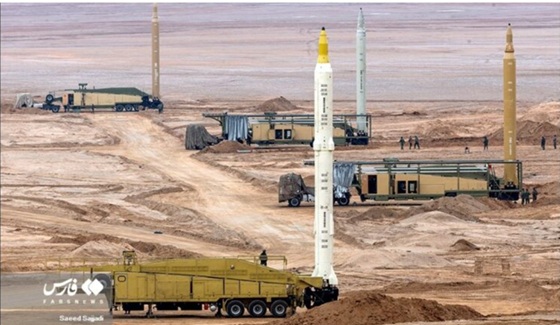
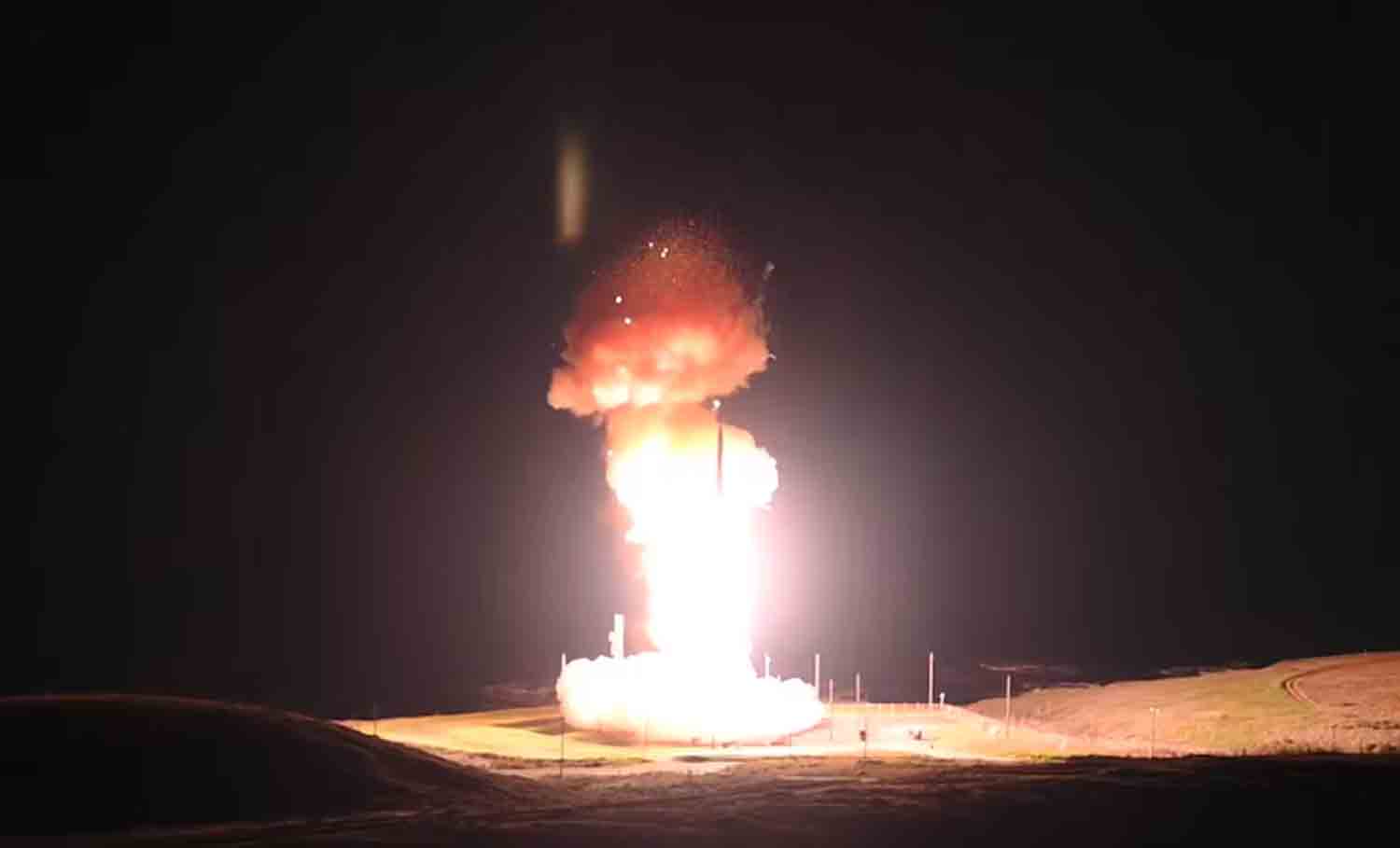
While Iran was launching ballistic missiles toward Israel on March 3, the United States conducted a Minuteman III intercontinental ballistic missile (ICBM) test from California.
The Pentagon quickly emphasized that the launch was routine and scheduled years in advance, unrelated to current geopolitical tensions.
Technically, that explanation may be correct.
But in the world of strategic nuclear deterrence, timing itself can be part of the message.
What Happened During the Missile Test
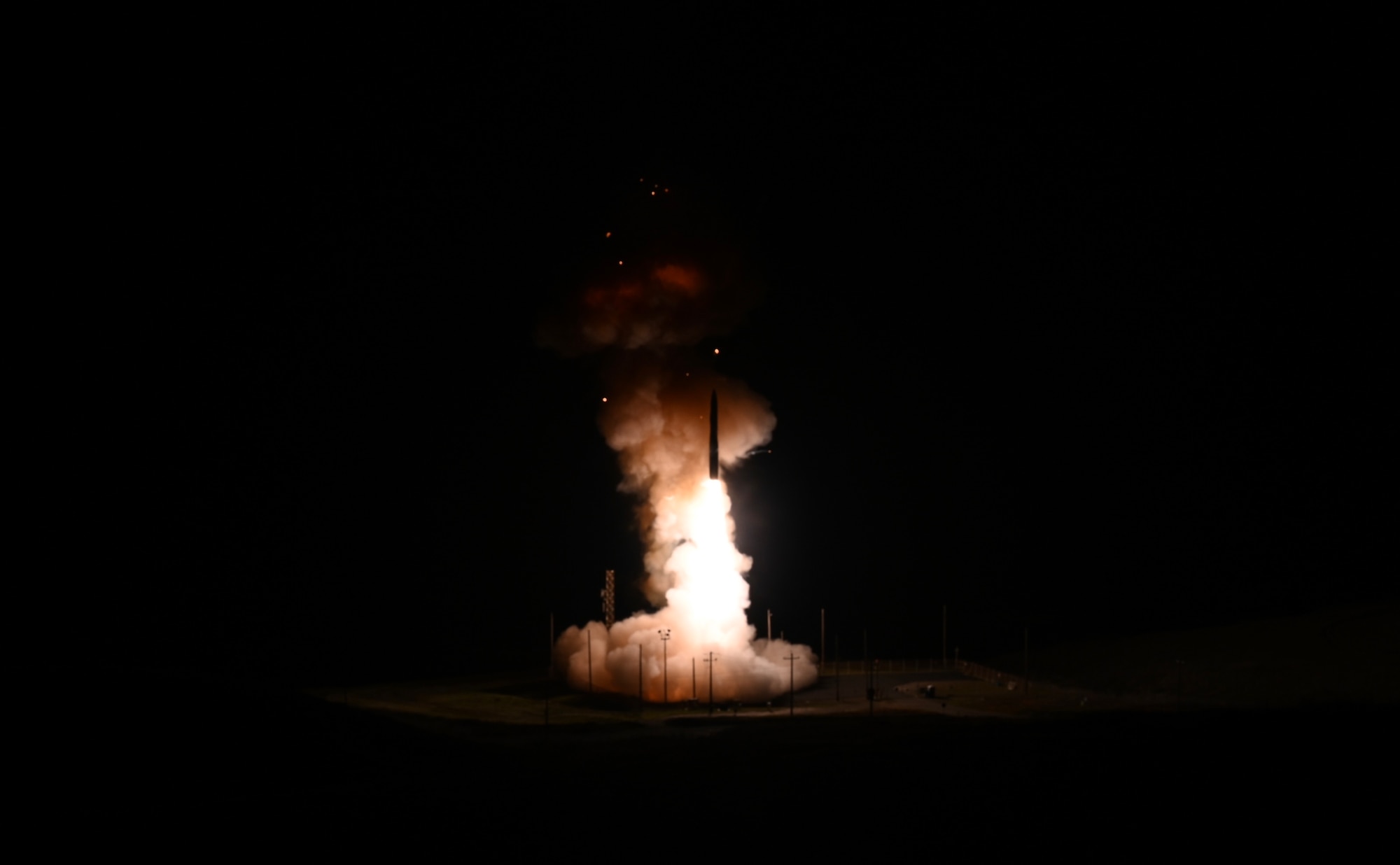
The missile was launched from Vandenberg Space Force Base in California and flew approximately 4,200 miles across the Pacific Ocean before reaching a designated test area near the Marshall Islands.
Key technical details of the test:
- Speed: around 15,000 miles per hour
- Range tested: about 4,200 miles
- Flight duration: roughly 30 minutes
- Payload: two test re-entry vehicles
In operational configuration, each re-entry vehicle could carry a nuclear warhead many times more powerful than the atomic bomb used in Hiroshima.
The test demonstrated the ability of the United States to deliver a strategic payload anywhere on Earth within roughly half an hour.
The Logic Behind “Routine” Nuclear Tests
The United States conducts several ICBM test launches every year to verify the reliability of its nuclear deterrent.
These launches serve multiple purposes:
- testing missile reliability
- validating guidance systems
- ensuring operational readiness
- demonstrating deterrence credibility
Officially, such tests are part of long-planned maintenance of the U.S. nuclear arsenal.
However, the timing of these launches often attracts attention when they occur during periods of international tension.
Nuclear Signaling: Communication Without Escalation


In strategic studies, missile tests can function as a form of nuclear signaling.
Nuclear signaling occurs when a state demonstrates military capabilities in ways that communicate strength without issuing direct threats.
This approach allows governments to send messages while avoiding escalation.
For example:
- A missile test can highlight technological capability.
- The launch can demonstrate readiness and operational reliability.
- Adversaries observing the event are reminded of the strategic balance.
Because the tests are officially routine, they provide plausible deniability.
No direct warning or threat is issued, but the signal is still received.
The Concept of Strategic Ambiguity
One of the defining features of nuclear deterrence strategy is strategic ambiguity.
This means that actions are deliberately framed in ways that leave room for multiple interpretations.
From an official perspective:
- the missile test is routine
- the timing is coincidental
From a strategic perspective:
- the demonstration reinforces deterrence during a period of heightened tension.
This ambiguity allows governments to send a signal without forcing an immediate response.
If a missile test were explicitly framed as a warning to another country, it could be interpreted as a direct provocation.
By maintaining the narrative of routine testing, the signal remains subtle but effective.
Conventional War vs Nuclear Deterrence
The current conflict involving Iran, Israel, and the United States remains firmly within the realm of conventional warfare.
This includes:
- ballistic missiles
- drones
- aircraft
- naval operations
Conventional war has limits in terms of escalation.
Above that level sits the nuclear deterrence framework, which operates according to entirely different strategic logic.
The Minuteman III system represents part of that upper tier.
Its role is not to be used in ordinary conflicts but to ensure that adversaries understand the ultimate strategic capability behind U.S. military power.
The Minuteman III and the U.S. Nuclear Triad
The Minuteman III missile is one leg of the U.S. nuclear triad, which consists of three delivery systems:
- Land-based intercontinental ballistic missiles
- Submarine-launched ballistic missiles
- Strategic bomber aircraft
This three-part structure ensures that even if one element were neutralized, the United States would still retain a credible second-strike capability.
That redundancy is the foundation of nuclear deterrence.
Why Timing Still Matters
Even when tests are scheduled years in advance, the timing can still influence how they are interpreted internationally.
Adversaries monitor missile launches closely through:
- satellite tracking
- radar systems
- intelligence networks
These observers are less concerned with official explanations and more interested in the capabilities being demonstrated.
The key takeaway from a Minuteman III test is simple:
The United States retains the ability to launch a strategic weapon from North America to virtually any point on Earth within minutes.
The Message Behind the Test
The United States did not publicly frame the launch as a warning.
And officially, it was not.
But in strategic terms, the launch demonstrated the enduring reality of nuclear deterrence: that even while conventional wars unfold in one part of the world, the strategic balance of nuclear power remains in the background.
That balance has shaped global security for decades—and continues to influence how conflicts are managed today.