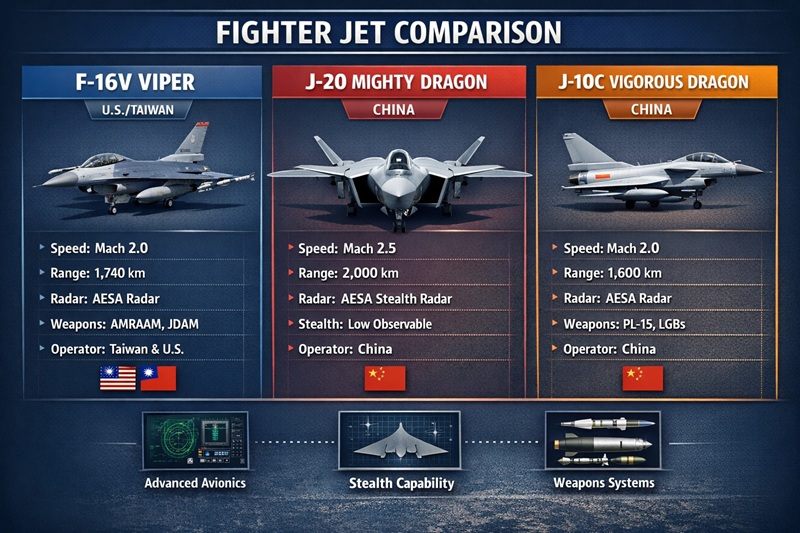
While advanced systems like THAAD and fifth-generation fighters dominate headlines, a lesser-known but highly effective system is quietly transforming modern air defense.
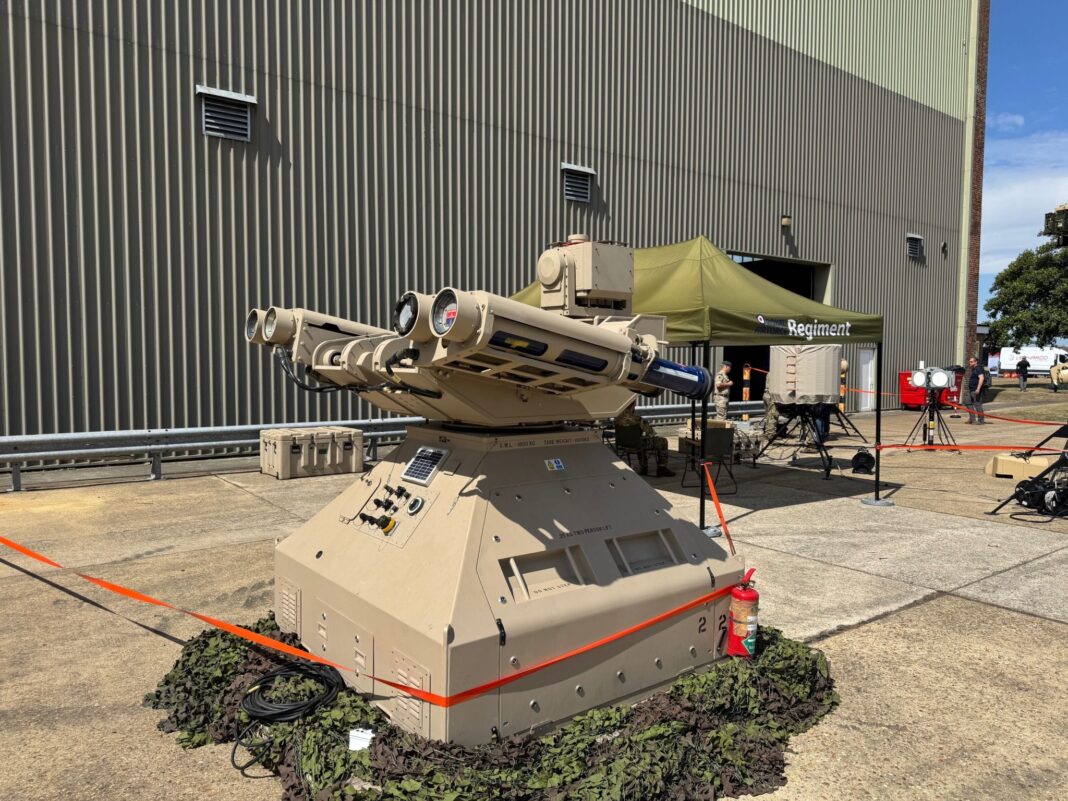
The Rapid Sentry system, operated by the RAF Regiment and deployed around Erbil, Iraq, has reportedly intercepted around 50 Iranian drones since late February—significantly outperforming traditional air assets in the same theater.
This highlights a major shift in modern warfare: low-cost, specialized systems are proving more effective against emerging threats like drones than high-end platforms.
The Rise of “Blue-Collar” Air Defense
Rapid Sentry represents what analysts call “blue-collar air defense”—systems designed to handle:
- Low-cost threats
- High-volume attacks
- Persistent, low-altitude targets
Unlike expensive missile systems or fighter jets, Rapid Sentry focuses on efficiency, sustainability, and scalability.
Why It Matters:
- Downed ~10x more drones than RAF fighter jets in the same area
- Operates continuously without the logistical burden of aircraft sorties
- Provides a cost-effective solution to drone swarms
Designed for the Drone Era
Modern conflicts—especially in the Middle East and Ukraine—have seen a surge in low-cost drones such as the Iranian Shahed-136.
These drones are:
- Cheap to produce
- Slow-moving but difficult to detect
- Often used in large numbers (swarm tactics)
Traditional systems struggle with this threat because:
- Interceptors are too expensive
- Jets are inefficient for small targets
- Radar systems are optimized for larger threats
Rapid Sentry was built specifically to fill this gap.
How Rapid Sentry Works: Sensor-to-Shooter Loop
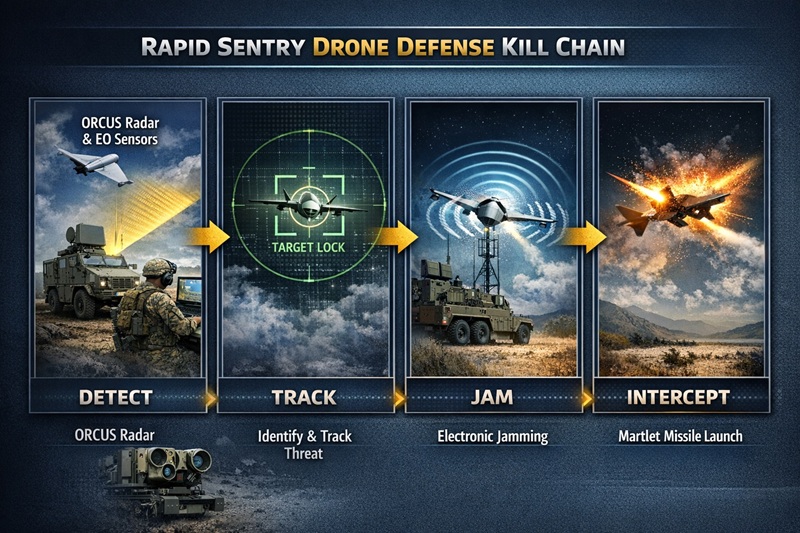
The system is designed around a tight, integrated detection and engagement cycle.
Detection
- ORCUS radar system identifies low-altitude threats
- Electro-optical sensors confirm and track targets
Engagement Options
1. Soft Kill (Electronic Warfare)
- Jamming disrupts drone navigation and control
- Forces drones to crash or miss targets
2. Hard Kill (Kinetic Interception)
- Uses Martlet (LMM – Lightweight Multirole Missile)
- Laser-guided, high-precision missile
- Speed: ~Mach 1.5
This layered approach ensures flexibility and cost efficiency.
Cost Efficiency: The Real Advantage
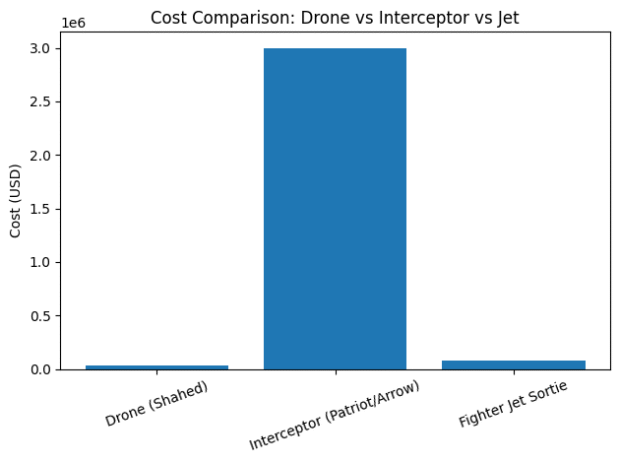
One of Rapid Sentry’s biggest strengths is its cost-effectiveness.
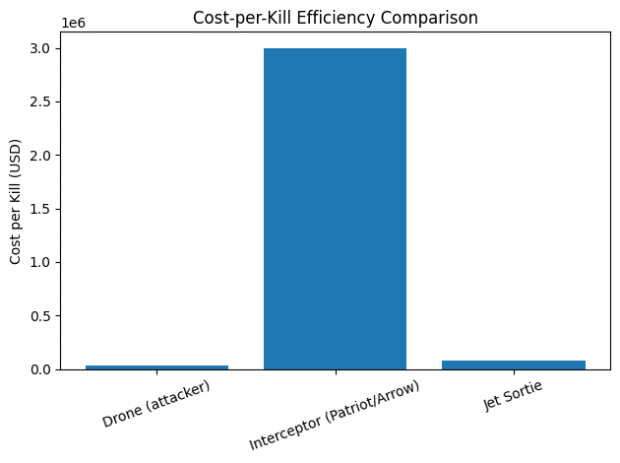
Comparison:
- PAC-3 Patriot interceptor: ~$3 million
- Fighter jet sortie: tens of thousands per hour
- Shahed drone: ~$20,000–$50,000
- Martlet missile: significantly cheaper
The result:
Right weapon for the right threat
Instead of wasting expensive interceptors, Rapid Sentry enables economically sustainable defense.
Why Traditional Systems Fall Short
High-end systems like THAAD or Patriot are designed for:
- Ballistic missiles
- High-speed threats
- Strategic targets
They are not optimized for:
- Slow drones
- Low-altitude flight paths
- Mass attacks
Using them against drones creates a cost imbalance, where defense becomes more expensive than offense.
Strategic Impact: Changing Air Defense Doctrine
Rapid Sentry’s success signals a broader shift in military strategy:
From High-End Dominance → Layered Defense
- High-end systems handle strategic threats
- Low-cost systems handle mass threats
From Power → Efficiency
- Winning is no longer about the most advanced system
- It’s about sustainable defense over time
The Future: Scalable Drone Defense Networks
Systems like Rapid Sentry could evolve into:
- Networked air defense grids
- AI-assisted targeting systems
- Integration with laser weapons
Future battlefields will likely rely on:
- Layered defense (high + low cost systems)
- Automation and rapid response
- Cost-effective interception at scale
Conclusion
Rapid Sentry proves that in modern warfare, effectiveness is not always about sophistication—it’s about fit-for-purpose design.
By focusing on the specific challenge of drone warfare, this “blue-collar” system is delivering results that far exceed more expensive alternatives.
As drone threats continue to grow, systems like Rapid Sentry may become the backbone of air defense worldwide.