A Ukrainian intelligence assessment has alleged that Russia conducted extensive satellite surveillance of military facilities and critical infrastructure across the Middle East and shared the imagery with Iran to support strikes on U.S. and allied targets.
According to the report reviewed by Reuters, Russian satellites carried out at least 24 detailed imagery surveys between March 21 and March 31, covering 46 strategic objects across 11 countries, including U.S. military bases, airports, and oil facilities.
The assessment describes what it calls the clearest evidence yet of secret Russian support for Iran since the escalation that followed the U.S. and Israeli assault launched on February 28.
Security sources cited in the report said intelligence also pointed to intense Russian satellite activity across the region, with imagery allegedly being passed to Tehran.
Key Military Sites Surveyed Across Gulf and Middle East
The intelligence assessment claims that Russian satellite passes focused heavily on strategic Gulf military assets.
Among the most notable locations was King Khalid Military City near Hafar Al-Batin in Saudi Arabia, where five separate surveys were reportedly conducted. The objective appeared to be locating components of the U.S.-made THAAD air defense system.
Other countries reportedly surveyed included:
- Saudi Arabia
- Türkiye
- Jordan
- Kuwait
- United Arab Emirates
- Israel
- Qatar
- Iraq
- Bahrain
- Diego Garcia
The report also highlights growing Russian surveillance activity over the Strait of Hormuz, one of the world’s most critical energy chokepoints through which nearly 20% of global oil and LNG flows pass.
This development comes amid heightened tensions in the Gulf, where Iran has maintained what the report describes as a de facto blockade for vessels considered hostile.
Prince Sultan Air Base Strike Raises Concerns
One of the most significant claims in the assessment concerns Prince Sultan Air Base in Saudi Arabia.
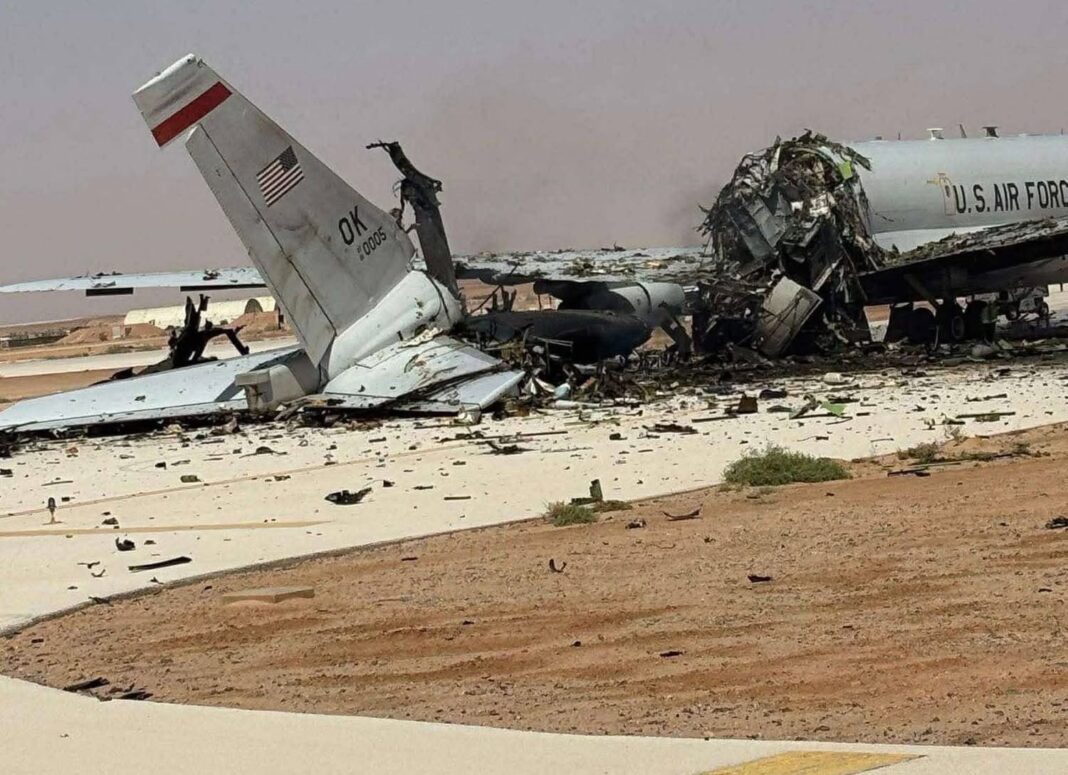
The report states that a Russian satellite captured imagery of the air base just days before Iran’s March 27 strike, which allegedly damaged a sophisticated U.S. E-3 Sentry AWACS aircraft.
It further claims that another Russian satellite passed over the same site on March 28 to assess the strike’s impact.
If confirmed, the timing could suggest direct intelligence support in target selection and battle damage assessment.
Cyber Cooperation Between Russia and Iran Expands
Beyond satellite intelligence, the Ukrainian assessment alleges growing cooperation in cyber warfare.
It claims that Russian and Iranian hacker groups have coordinated operations through Telegram, focusing on critical infrastructure and telecommunications networks across the Gulf and Israel.
Groups named in the report include:
- Z-Pentest Alliance
- NoName057(16)
- DDoSia Project
- Handala Hack
The report says these groups coordinated warnings and access leaks targeting Israeli energy infrastructure and communication systems.
It also suggests Iranian hackers may be adopting techniques associated with Russian military intelligence cyber units.
Russia-Iran Strategic Partnership Deepens
The allegations come against the backdrop of rapidly expanding Moscow-Tehran military ties since Russia’s 2022 invasion of Ukraine.
Western governments have long accused Iran of supplying Shahed drones to Russia for strikes in Ukraine. Iran has denied the allegations.
The relationship was formalized further with the Treaty on Comprehensive Strategic Partnership, signed by Russian President Vladimir Putin and Iranian President Masoud Pezeshkian.
The treaty explicitly includes intelligence and security cooperation provisions, including the exchange of operational information and experience.
Strategic Implications for U.S. and Gulf Security
If independently verified, the intelligence assessment could have major implications for regional security, particularly for U.S. military deployments in the Gulf.
The alleged coordination between Russia and Iran in both space-based surveillance and cyber operations signals a more sophisticated level of military partnership, potentially reshaping the security environment across the Middle East.