Saudi Arabia, Qatar, and the United Arab Emirates are increasingly turning to South Korea, the United Kingdom, and Ukraine to rapidly replenish air defense systems depleted by repeated Iranian drone and missile attacks.
The shift marks a significant strategic change for some of Washington’s biggest defense customers, reflecting growing concerns over delivery delays, rising drone threats, and the need for lower-cost intercept solutions.
Recent reporting indicates Gulf states are actively exploring:
- South Korean missile-defense systems
- British low-cost anti-drone technologies
- Ukrainian interceptor drones
- electronic warfare and jamming platforms
This diversification comes as traditional U.S.-supplied systems such as MIM-104 Patriot and THAAD face heavy operational use and longer replenishment timelines.
Iranian Drone Attacks Expose Cost Problem
The main driver behind this shift is the economics of modern drone warfare.
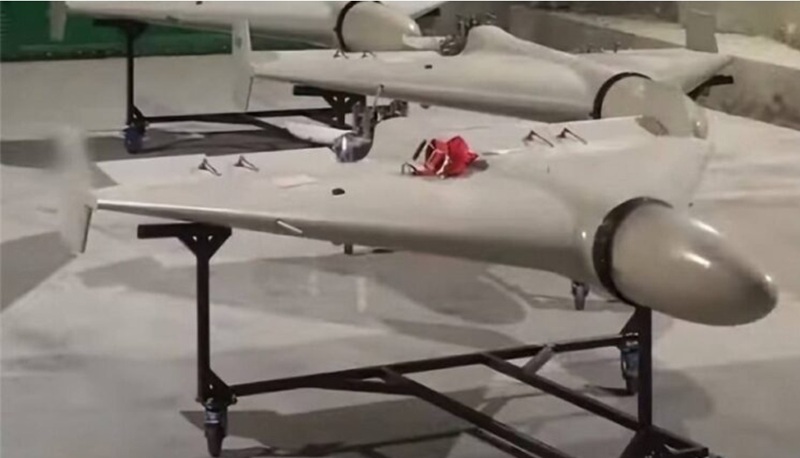
Iranian systems, particularly Shahed-style one-way attack drones, can cost only a fraction of the missiles used to intercept them.
By contrast, interceptors such as Patriot missiles can cost millions of dollars each.
This imbalance has forced Gulf militaries to rethink their air defense architecture.
A Reuters report notes that Gulf states are now showing strong interest in low-cost interceptor drones developed with Ukrainian expertise, including systems priced in the low thousands of dollars rather than millions.
This cost equation has become especially important after repeated Iranian strikes across the region in 2026.
Why South Korea Is Emerging as a Key Supplier
South Korea has rapidly emerged as one of the world’s fastest-growing defense exporters.
Gulf states are reportedly considering South Korean systems such as:
- medium-range SAM systems
- counter-UAV radars
- integrated air defense networks
- mobile missile launchers
South Korea’s defense industry is attractive because it offers:
- faster production cycles
- competitive pricing
- proven export track record
- reduced political delivery constraints
This mirrors broader global trends, where countries in Europe, the Middle East, and Asia are increasingly buying South Korean defense systems.
Ukraine’s Drone Warfare Expertise in High Demand
One of the most notable developments is the Gulf’s increasing interest in Ukrainian counter-drone technology and operational expertise.
Ukraine has developed extensive real-world experience in intercepting Iranian-designed drones on the battlefield.
Recent reports indicate Ukrainian teams have already assisted Gulf states in improving air defense against Iranian drone attacks.
This includes:
- interceptor drone technology
- detection software
- layered UAV defense tactics
- operator training

Ukraine’s appeal lies not only in hardware but in combat-tested doctrine against the exact type of Iranian drones threatening Gulf infrastructure.
UK Firms Offer Low-Cost Drone Defense Solutions
The United Kingdom is also emerging as an alternative supplier, particularly in:
- signal jamming
- electronic warfare
- anti-drone radar
- low-cost missile systems
British firms and defense startups are reportedly in discussions with Gulf buyers to provide rapid-response drone defense solutions. (Wall Street Journal)
This reflects a broader Gulf strategy of building multi-layered, diversified procurement channels rather than relying on a single supplier.
Strategic Shift Beyond Washington
The broader significance of this development is geopolitical.
For decades, Saudi Arabia, Qatar, and the UAE have relied heavily on U.S. weapons systems.
The new procurement shift does not necessarily signal a break with Washington, but it does indicate a recalibration of trust in supply speed and strategic dependence.
Gulf capitals increasingly appear focused on:
- faster delivery timelines
- cost-efficient interception
- diversified defense partners
- local production opportunities
This may reshape regional defense markets over the coming years.