New information from security sources in Afghanistan suggests that the Taliban may be developing a limited drone capability based on equipment captured after the collapse of the former Afghan government.
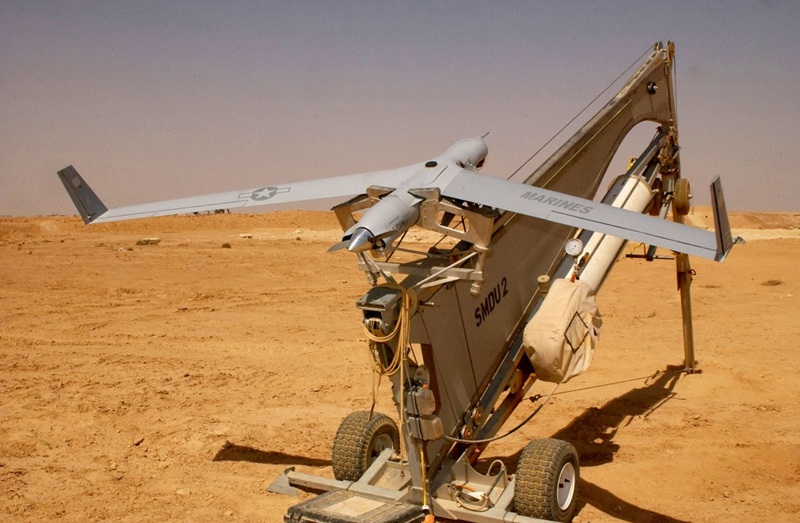
According to officials familiar with the matter, the Taliban obtained approximately 85 ScanEagle surveillance drones from military facilities belonging to the previous Afghan Republic. These American-made unmanned aerial vehicles were originally used by Afghan forces for reconnaissance missions and were not designed to carry weapons.
However, recent reports of suspected drone strikes inside Pakistan have raised concerns that the Taliban may be modifying or replicating drone technology to expand their operational capabilities.
Tehreek-e-Taliban Pakistan TTP has claimed responsibility for 556 terrorist attacks while Ittihad-ul-Mujahideen (IMP) claimed 100 during August 2025 according to infographic report published separately by both militant groups; additionally IMP claimed 15 Quadcopter drone strikes. pic.twitter.com/O5Jm81rVhc
— Saleem Mehsud (@SaleemMehsud) September 7, 2025
Taliban Acquired 85 ScanEagle Surveillance Drones
Security sources in Afghanistan say that dozens of ScanEagle drones were captured from former Afghan military bases after the Taliban takeover in 2021.
The ScanEagle system, developed for surveillance missions, was widely used by the Afghan Republic’s military to conduct reconnaissance and intelligence gathering operations.
These drones typically operate within a range of around 100 kilometers, although with reliable communications and internet connectivity they can reach distances of up to 200 kilometers.
Because the system was designed for surveillance rather than combat, the drones originally lacked any offensive capability.
Taliban Drones Used in Pakistan Attacks Appear Different
Recent reports indicate that the drones allegedly used by the Taliban in attacks inside Pakistan resemble the ScanEagle platform in general size and structure.
However, military observers say there are notable differences in the fuselage, wings, tail configuration, and propulsion system, suggesting that the aircraft may not be identical to the original ScanEagle design.
These differences could indicate either modifications to existing drones or the development of locally produced unmanned aircraft based on similar concepts.
Limited Payload Capacity
Military officers who previously worked with ScanEagle drones in Afghanistan say the platform can technically carry an additional payload of around one to two kilograms.
However, they note that the aircraft becomes unstable if the weight exceeds that limit.
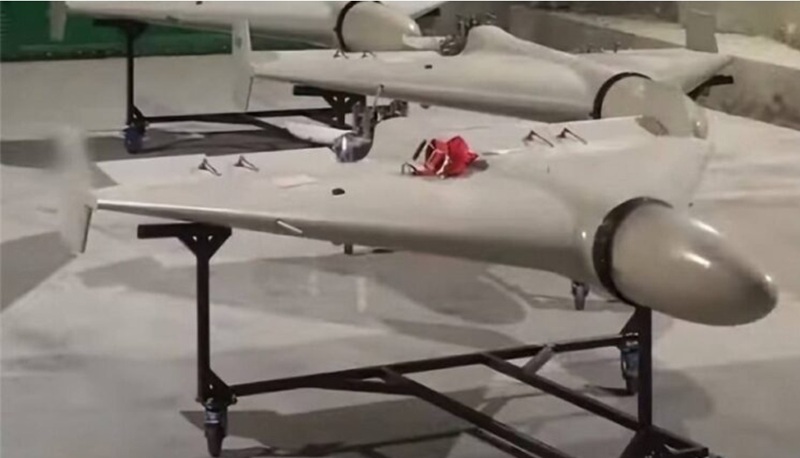
Even if explosives were attached to the drone, analysts say the resulting weapon would remain far less destructive than Iranian-made loitering munitions such as the Shahed series, which are specifically designed for strike missions.
Possibility of Locally Produced Drones
If the Taliban have not directly modified the captured ScanEagle drones, another possibility is the development of new drones produced locally by copying foreign designs.
Such an effort may involve assistance from militant groups operating in the region.
A United Nations Security Council report published in December 2025 highlighted concerns that militant organizations in Afghanistan could attempt to replicate drone technologies used elsewhere.
Alleged al-Qaeda Technical Support
According to an intelligence officer familiar with the issue, al-Qaeda specialists are reportedly present at the Shikar Qala compound in Logar province.
These specialists are believed to be working on drone development projects by replicating models originally developed in other countries.
If confirmed, such cooperation could allow militant groups in Afghanistan to gradually build an indigenous drone manufacturing capability.
Growing Role of Drones in Regional Militancy
The emergence of drone technology among militant groups reflects a broader trend in modern conflict.
Small unmanned aircraft have become low-cost tools capable of surveillance, propaganda, and limited strike missions, allowing non-state actors to challenge more powerful militaries.
While the Taliban’s current drone capabilities appear limited, analysts warn that continued technological adaptation and external assistance could expand their operational reach in the future.