The ongoing conflict involving Iran has brought renewed attention to a critical question in modern warfare: how sustainable are missile defense systems during high-intensity conflict?
Recent figures suggest that the scale of missile launches in the war may be placing unprecedented pressure on Terminal High Altitude Area Defense (THAAD) interceptor inventories.
Iran’s Missile Launch Volume vs Production Rates
According to multiple reports and defense analyses, Iran launched more than 500 ballistic missiles during the first week of the conflict.
By contrast, the United States currently produces around 96 THAAD interceptors per year, according to publicly available defense industry data.
That equals roughly:
- 8 interceptors per month
- 2 interceptors per week
While these missiles are part of a broader layered missile defense system that includes Patriot and other interceptors, the production rate highlights the challenge of maintaining sustained defensive operations during large-scale missile campaigns.
How THAAD Missile Defense Works

The THAAD system is designed to intercept ballistic missiles during their terminal phase, as they descend toward targets.
A typical THAAD battery includes:
- 6 mobile launchers
- 48 interceptors
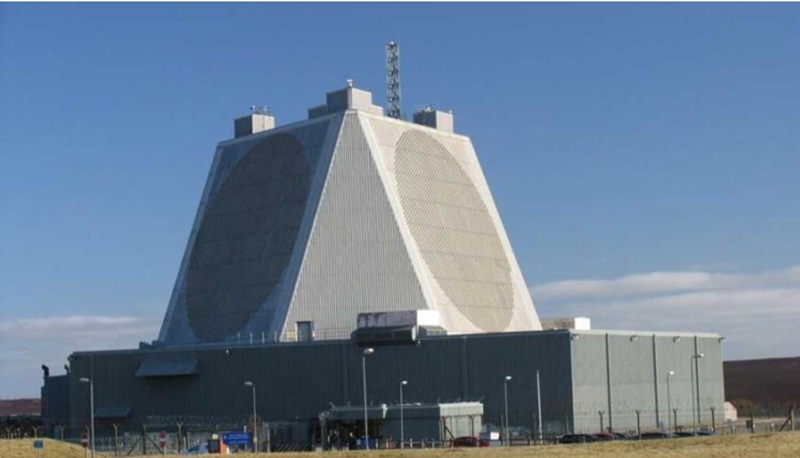
- AN/TPY-2 high-power radar
- command and control systems
Standard operational doctrine often calls for multiple interceptors per incoming missile to increase the probability of a successful intercept.
In practical terms, this means a single THAAD battery could expend its entire interceptor inventory after defending against a few dozen incoming missiles.
Damage to Early Warning Radar Systems
Another factor affecting missile defense performance is the vulnerability of radar infrastructure.
Reports indicate that at least two AN/TPY-2 radar systems may have been damaged or targeted during the conflict, including systems associated with regional air defense networks.
Each AN/TPY-2 radar is a critical component of the missile defense architecture.
These radars:
- detect and track incoming ballistic missiles
- provide targeting data for interceptors
- coordinate with other defense systems across the region
Each radar system is estimated to cost around $500 million and requires years to manufacture and deploy.
Damage to these sensors can create gaps in missile detection coverage, complicating interception operations.
Missile Defense Systems Are Complex to Produce
Scaling production of advanced interceptors is not simply a matter of increasing funding.
THAAD missiles require several highly specialized components, including:
- advanced solid rocket motors
- sophisticated seeker heads
- precision guidance electronics
- complex integration and testing processes
Many of these components are shared with other U.S. missile systems, such as:
- Patriot PAC-3 interceptors
- SM-3 naval interceptors
- Precision Strike Missile (PrSM)
Because these systems compete for similar components, expanding production across the entire missile defense ecosystem takes significant time.
Planned Production Expansion
In January 2026, Lockheed Martin announced a framework agreement with the U.S. Department of Defense to expand THAAD production capacity.
The agreement aims to increase output from 96 interceptors annually to approximately 400 per year.
However, reaching that production level requires a multi-year ramp-up, with some projections suggesting full capacity may not be achieved until the early 2030s.
Strategic Implications for Global Missile Defense
The current conflict is highlighting a broader issue facing modern militaries.
Missile defense systems are highly effective but also expensive and complex to sustain during prolonged high-intensity warfare.
U.S. missile defense assets are deployed across several critical regions, including:
- the Middle East
- East Asia
- protection of U.S. territories such as Guam
- defense of allied nations including South Korea
Because these systems draw from the same interceptor inventories and production lines, sustained consumption in one theater can influence global defense planning.
The Growing Importance of Missile Defense Logistics
As missile and drone warfare becomes increasingly common, the logistics of missile defense — including interceptor production, sensor networks, and supply chains — are becoming central strategic factors.
The current conflict demonstrates that production capacity and inventory management can be just as important as the defensive systems themselves.
For defense planners worldwide, the lesson is clear: in modern missile warfare, industrial capacity and supply chains may determine long-term defensive resilience as much as battlefield performance.