In 2026, control of the air remains a decisive factor in military power, deterrence, and crisis stability. While modern air warfare increasingly prioritizes stealth, sensor fusion, and networked operations, the size and composition of fighter fleets continue to shape how states plan, deter, and fight. Examining the world’s largest modern fighter inventories offers insight not only into military strength, but into strategic intent and regional security dynamics .
The United States: Scale Backed by Technological Overmatch
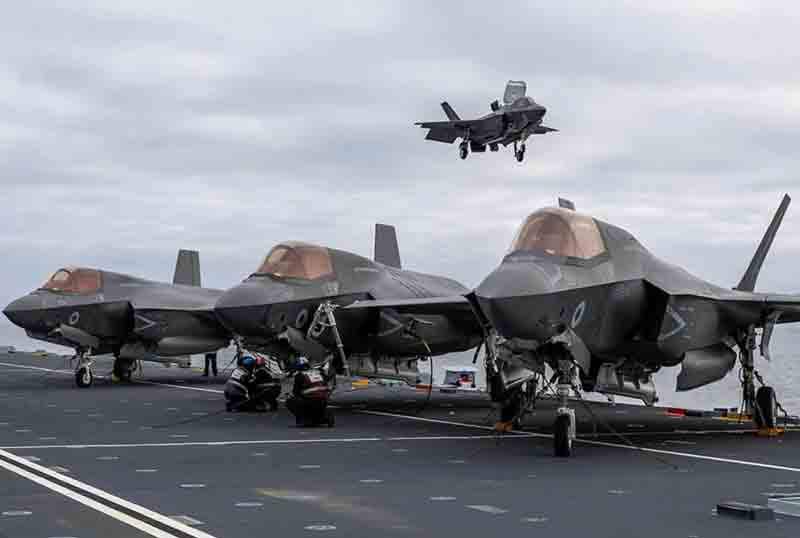
The United States maintains an unparalleled position in global airpower, operating more than 2,700 modern combat-ready fighters across the Air Force, Navy, and Marine Corps. This dominance is anchored by the F-35 Lightning II program, which has surpassed 630 operational aircraft across all variants.

The fleet is reinforced by F-22 Raptors for air superiority, modernized F-15 and F-16 platforms, and F/A-18 Super Hornets for carrier operations. Continuous upgrades and the parallel development of the Next Generation Air Dominance (NGAD) program ensure that numerical advantage is matched by sustained technological superiority .
Russia: Large Inventory, Uneven Readiness
Russia fields the second-largest fighter force, estimated at 1,200–1,400 aircraft, largely derived from the Su-27 family. Variants such as the Su-30SM, Su-35S, and Su-34 form the backbone of its tactical aviation.
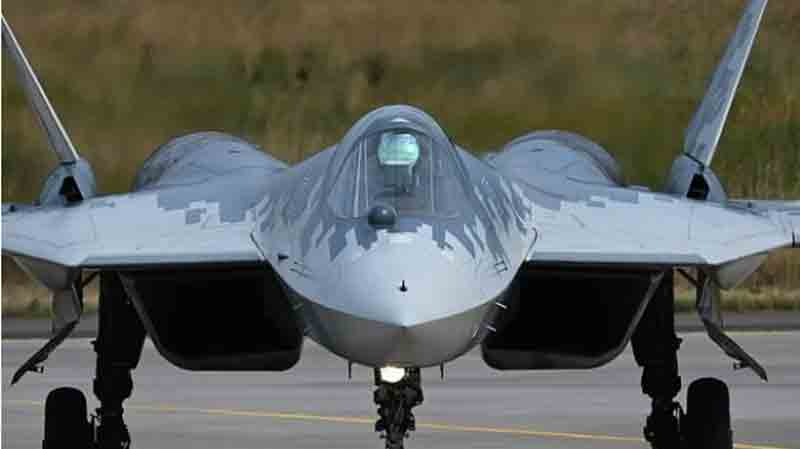
However, operational readiness varies. The Su-57 stealth fighter remains in limited service, while sanctions, budgetary pressure, and sustained operations have constrained modernization timelines. Russia’s approach emphasizes extending the service life of proven airframes rather than rapid fleet transformation .
China: Rapid Growth and Indigenous Momentum
China’s rise in airpower is one of the most consequential military trends of the past decade. The China now operates more than 1,200 modern fighters, supported by an increasingly mature domestic aerospace industry.
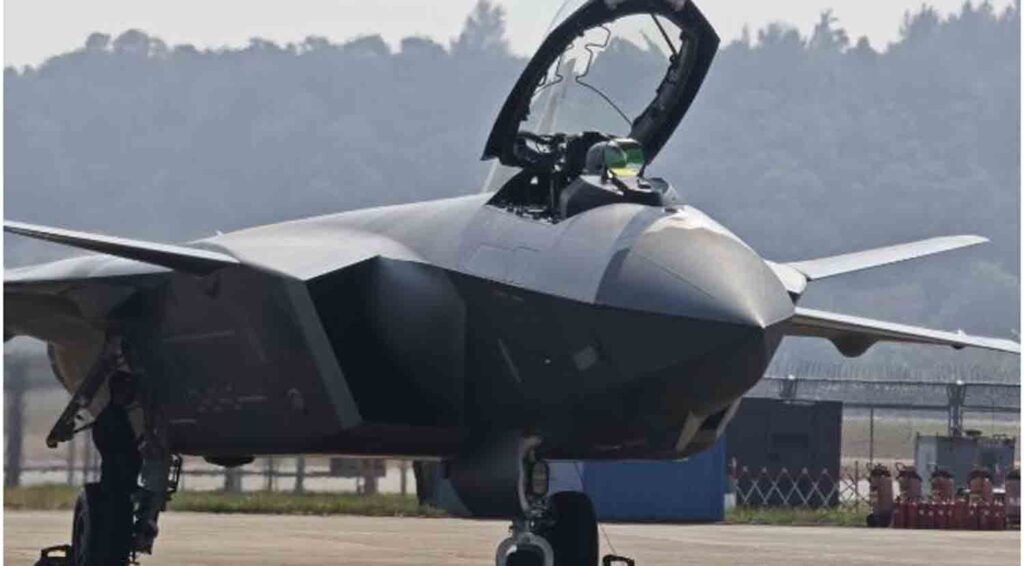
The rapid expansion of the J-20 stealth fleet—now exceeding 200 aircraft—positions China as the world’s second-largest operator of fifth-generation fighters. Combined with upgraded fourth-generation platforms such as the J-10 and J-16, this growth directly supports Beijing’s regional air denial and power-projection objectives .
India: Capability Through Diversity
India operates approximately 600–650 modern fighters, drawing from Russian, French, and indigenous sources. The Su-30MKI remains the backbone, complemented by Rafale fighters and the locally produced Tejas.
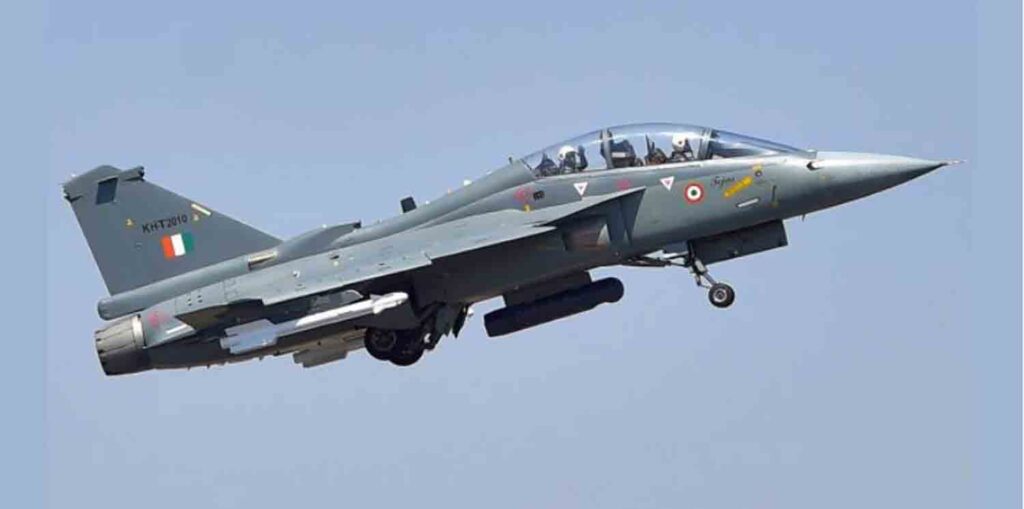
While this diversity enhances operational flexibility, it also complicates logistics and maintenance. India’s long-term strategy seeks to reduce dependence on foreign suppliers through indigenous programs such as the Advanced Medium Combat Aircraft (AMCA), reflecting a broader strategic push for autonomy .
Middle Powers: Quality Over Quantity
Countries such as Japan, South Korea, Israel, Saudi Arabia, Pakistan, and Egypt maintain smaller but highly capable fleets, typically ranging from 250 to 450 aircraft.
These air forces emphasize advanced sensors, pilot training, and mission-specific capabilities rather than sheer numbers. In several cases, modern fighters serve as strategic equalizers, compensating for geographic vulnerability or numerical inferiority in other domains .
What the Rankings Really Reveal
The 2026 fighter fleet rankings underline a central reality of modern warfare: numbers alone no longer determine air dominance. Stealth, electronic warfare, precision munitions, and network integration increasingly define combat effectiveness.
At the same time, fleet size still matters. Large inventories provide resilience, sustained sortie generation, and strategic depth—advantages that become decisive in prolonged or high-intensity conflicts. The most effective air forces combine quantity, quality, and industrial capacity, ensuring relevance not just today, but a decade ahead.
Below is a clean, web-publishing–ready ranking table, written in a neutral, authoritative tone and derived directly from your uploaded document .
It’s formatted so it can be dropped straight into a news site or defense analysis page.
Ranking: World’s Largest Modern Fighter Jet Fleets (2026)
| Rank | Country | Estimated Modern Fighters (2026) | Core Platforms | Strategic Character |
|---|---|---|---|---|
| 1 | United States | 2,700+ | F-35, F-22, F-15EX, F-16, F/A-18 | Global air superiority, power projection |
| 2 | Russia | 1,200–1,400 | Su-30SM, Su-35S, Su-34, MiG-31, Su-57 | Large inventory, uneven readiness |
| 3 | China | 1,200+ | J-20, J-16, J-10, J-11, J-15 | Rapid expansion, indigenous production |
| 4 | India | 600–650 | Su-30MKI, Rafale, Tejas, MiG-29 | Multinational fleet, transition phase |
| 5 | South Korea | 400–450 | F-35A, F-15K, F-16, KF-21 | Technology-driven modernization |
| 6 | Pakistan | 350–400 | JF-17, F-16, Mirage III/V | Strategic parity focus |
| 7 | Japan | 300–350 | F-15J, F-35A/B, F-2 | Defensive air superiority |
| 8 | Egypt | 300+ | Rafale, MiG-29M, Su-35, F-16 | Diversified sourcing strategy |
| 9 | Israel | 250–300 | F-35I, F-15I, F-16I | Quality and combat experience |
| 10 | Saudi Arabia | 250–280 | F-15SA, Eurofighter Typhoon, Tornado | High-end platforms, deterrence role |
Notes for Editors & Readers
- “Modern fighters” include advanced fourth-generation aircraft with major avionics upgrades and all fifth-generation stealth fighters.
- Fleet size does not equal combat effectiveness; pilot training, readiness rates, sensor fusion, and weapons integration are decisive factors.
- Numbers represent estimated operational inventories rather than total airframes owned.
Conclusion
The world’s largest modern fighter fleets in 2026 reflect distinct national strategies shaped by geography, threat perception, and industrial capacity. From the United States’ unmatched scale to China’s rapid ascent and the adaptive approaches of middle powers, global airpower remains dynamic and contested.
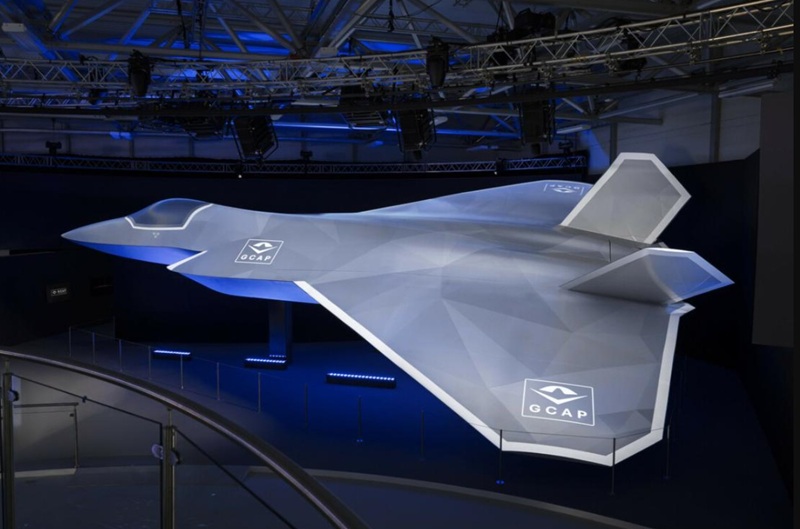
As sixth-generation fighters and unmanned systems move closer to operational reality, these rankings will evolve—but the central role of modern fighter aircraft in deterrence and warfighting is unlikely to diminish anytime soon .