The National Resistance Council for Afghanistan (NRF) says three major anti-Taliban political movements have reached a joint agreement and are now speaking with one voice to address the current political crisis in the country.
NRF spokesperson Abdullah Qarluq said the National Resistance Council for the Salvation of Afghanistan, the National Assembly for Salvation, and the Afghanistan National Movement for Peace and Justice will soon issue a joint statement outlining their unified stance.
According to the groups’ representatives, this is the first time that jihad-era leaders from the former government, alongside technocrats and other political figures, have come together under a broad umbrella. They describe the agreement as a “golden opportunity” for lasting peace.
The platforms include:
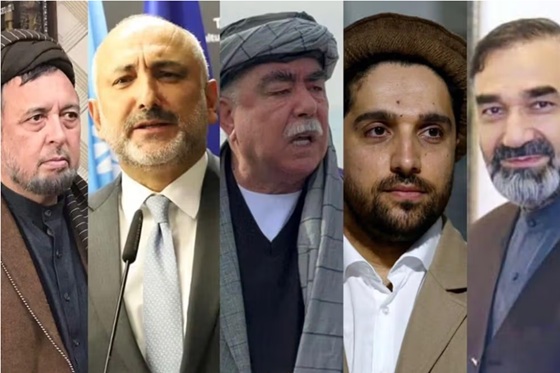
- The National Resistance Council for the Salvation of Afghanistan (with figures such as Ahmad Massoud, Atta Mohammad Noor and Yunus Qanuni)
- The Afghanistan National Movement for Peace and Justice, led by Hanif Atmar
- The National Assembly for Salvation, led by Mohammad Mohaqiq, Abdul Rashid Dostum and others
Key points in the joint statement
The joint declaration calls for drafting a new constitution, paving the way for a political settlement, and holding both national and local elections. The groups argue that the crisis must be resolved through political dialogue and national consensus, warning that failure to do so could have “serious consequences for the Taliban.”
The statement says Afghanistan’s political crisis should be addressed through comprehensive negotiations backed by the UN Security Council, regional states and the international community. It calls for an internationally guaranteed roadmap, with monitoring of any agreement’s implementation.
The groups emphasize meaningful inclusion of women and youth in any future political structure and urge an end to rights violations, discrimination and forced displacement.
They also demand transparency in mineral revenues and called on countries that have suspended humanitarian aid to resume assistance under a “neutral committee.”
Background and Context
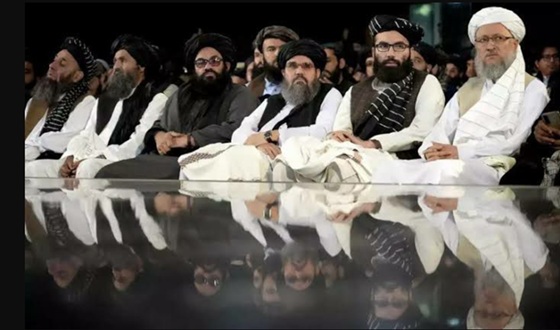
Since the Taliban returned to power, political opposition leaders, military commanders and former officials have relocated abroad and begun reorganizing in exile. Although divided in the past, figures such as Ahmad Massoud, Atta Noor, Dostum, Mohaqiq and others now appear to be moving toward coordinated political pressure.
Recent reports suggest Iran has encouraged some opposition leaders to consider dialogue with the Taliban, while Taliban officials—including senior cabinet members—have also visited Tehran.
Meanwhile, the Taliban face widespread criticism for restrictions on women’s rights, arrests of former officials, and alleged human-rights violations. The new opposition alignment is seen by analysts as an attempt to create a unified front ahead of any future negotiations.