
U.S. President Donald Trump has issued a blunt warning to India over its continued oil trade with Russia, openly suggesting that Washington could raise tariffs “very quickly” despite what he described as efforts by New Delhi to placate U.S. concerns.
Speaking aboard Air Force One, Trump said India had reduced some Russian oil purchases largely to accommodate his position, praising Prime Minister Narendra Modi personally while keeping economic pressure firmly on the table.
“They wanted to make me happy, basically… Prime Minister Modi is a very good man. He’s a good guy. He knew I was not happy,” Trump said.
“They do trade, and we can raise tariffs on them very quickly.”
The remarks underscore a transactional approach to U.S.–India relations, where strategic partnership coexists with hard-edged trade threats—particularly as Washington intensifies pressure on countries maintaining economic ties with Moscow.

India’s Russian Oil Dilemma
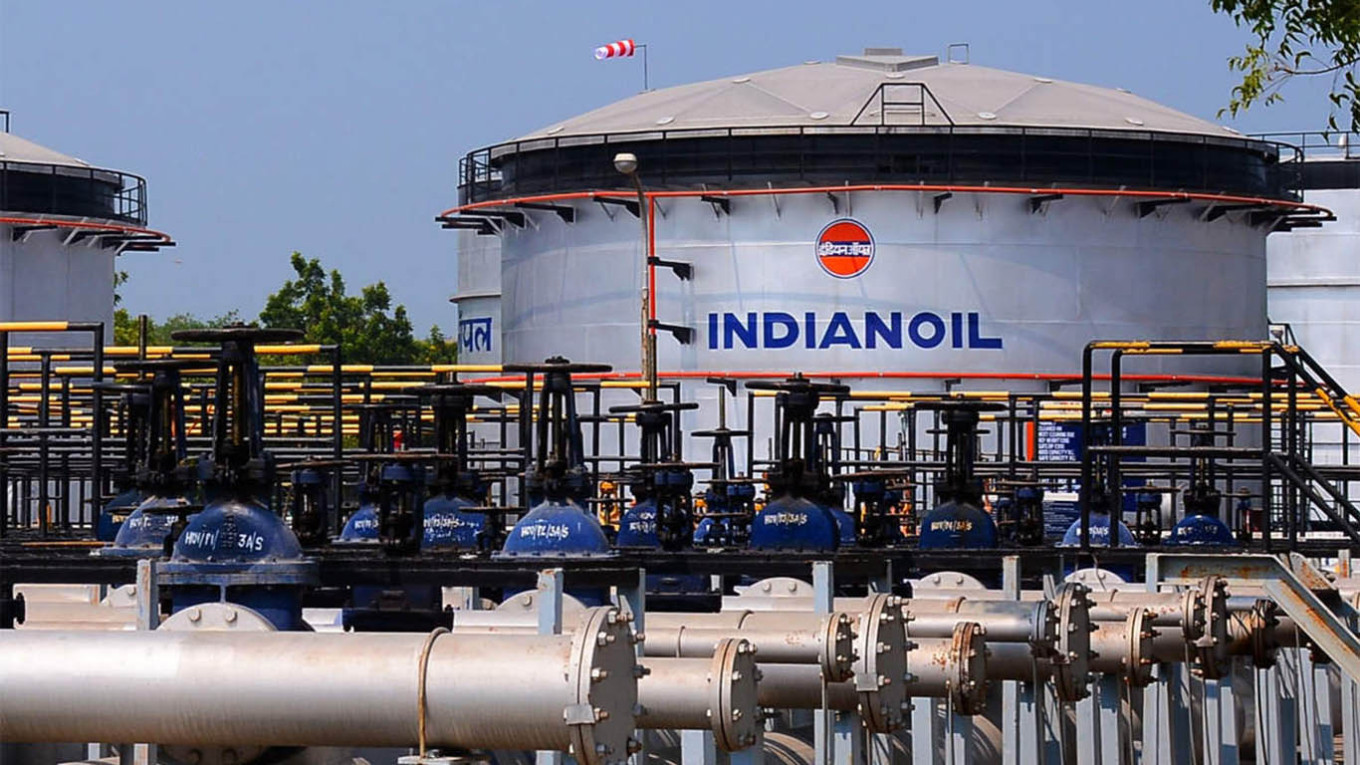
Since the Ukraine war, India has emerged as one of the largest buyers of discounted Russian crude, arguing that affordable energy is critical for its fast-growing economy and domestic stability. New Delhi has consistently maintained that its energy purchases are guided by national interest, not geopolitics.
However, Trump’s comments suggest that India’s partial reduction in Russian oil imports is being interpreted in Washington not as a policy shift, but as a tactical concession aimed at easing U.S. pressure.
This view was reinforced by U.S. Senator Lindsey Graham, who said Indian diplomats have been actively lobbying the Trump administration.
“I was at the Indian Ambassador’s house a month ago, and all he wanted to talk about was how India is buying less Russian oil,” Graham said.
“He asked me to tell the President to relieve the 25% tariff.”
Indian Efforts to Appease Washington
Over recent months, India has taken several steps aimed at reassuring the United States:
- Signaling reduced dependence on Russian crude in diplomatic engagements
- Expanding energy cooperation with the U.S. and Middle Eastern suppliers
- Emphasizing India’s role as a strategic partner in the Indo-Pacific
Indian officials have also highlighted broader cooperation with Washington on defense, technology, and supply chains, hoping to insulate the relationship from sanctions-driven trade disputes.
Yet Trump’s rhetoric indicates that personal diplomacy and goodwill may not translate into lasting economic relief.
Tariffs as Leverage
Trump’s warning that tariffs could be raised “very quickly” points to a familiar tactic from his earlier presidency: using trade penalties as leverage to enforce foreign policy compliance.
Analysts say India faces a difficult balancing act:
- Too much compliance risks undermining its strategic autonomy and relations with Russia.
- Too little could invite punitive tariffs that hurt exports and investor confidence.
The reference to a 25% tariff has raised concerns in Indian business circles, particularly in sectors such as steel, pharmaceuticals, and manufactured goods that rely heavily on U.S. market access.
Strategic Context
The episode highlights a broader shift in U.S. foreign policy under Trump, where alliances are increasingly conditional and performance-based. Even close partners are expected to align with Washington’s economic and geopolitical priorities—or face consequences.
For India, the stakes are high. As it seeks to position itself as a global manufacturing hub and a counterweight to China, sustained trade friction with the United States could complicate long-term economic ambitions.
Analysis
Trump’s praise of Modi, coupled with overt tariff threats, reflects a dual-track strategy: personal warmth, institutional pressure. While India appears willing to make limited adjustments to avoid confrontation, the comments suggest Washington views such moves as insufficient without deeper alignment.
The coming months will test whether India’s diplomatic outreach can soften U.S. trade policy—or whether tariffs will become the primary tool shaping the next phase of U.S.–India relations.