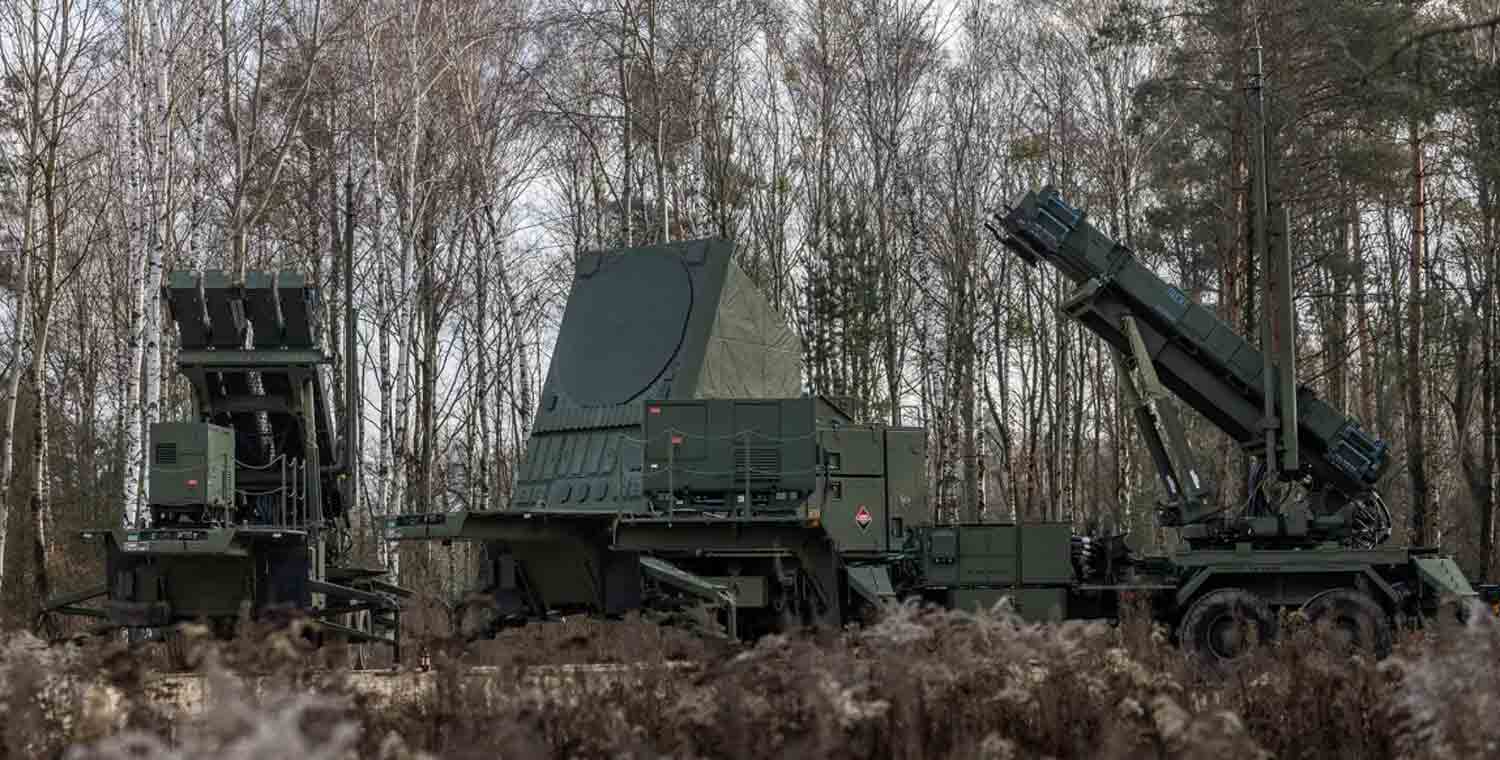

Türkiye is exploring the possibility of returning its Russian-made S-400 “Triumf” air defence systems to Moscow, a move that could mark one of the most significant strategic reversals by a NATO member since the Cold War and potentially end years of strained relations with the United States.
According to a Bloomberg report cited by defence analysts, Ankara’s reassessment of the controversial system reflects an intensified effort to normalise defence ties with Washington, lift U.S. sanctions and regain access to the F-35 Lightning II fighter jet programme, from which Türkiye was expelled in 2019 .
From Procurement Dispute to Strategic Test
Türkiye’s purchase of the S-400 in 2017 for $2.5 billion made it the first NATO country to acquire a high-end Russian air defence system. Ankara justified the decision by citing stalled negotiations with Washington over the Patriot missile system and restrictive technology-transfer terms.
However, the acquisition triggered a severe backlash from the United States, which argued the S-400 was incompatible with NATO systems and posed a security risk to allied platforms, particularly the F-35.
Washington responded by expelling Türkiye from the F-35 programme, imposing sanctions under the Countering America’s Adversaries Through Sanctions Act (CAATSA), and cutting Turkish defence firms out of the global F-35 supply chain.
Why the S-400 May Now Be a Liability
While Türkiye never fully operationalised the S-400 systems and instead kept them in storage, U.S. officials repeatedly insisted that partial measures were insufficient. Washington has made clear that full divestment of the system is the only path toward restoring defence cooperation.
U.S. Ambassador to Türkiye Tom Barrack recently reiterated that position, saying Ankara must “no longer operate or possess the S-400 system” to re-enter the F-35 programme.
Analysts say the growing importance of integrated digital warfare — based on stealth aircraft, sensor fusion and alliance-wide data sharing — has reduced the standalone military value of the S-400 while increasing its political and strategic cost.
Financial and Industrial Stakes
Türkiye’s exclusion from the F-35 programme has left a widening capability gap in stealth-enabled intelligence, surveillance and strike operations, while also damaging its defence-industrial ambitions.
Before its removal, Turkish firms were producing hundreds of critical F-35 components, a role worth billions of dollars over the programme’s lifetime.
Sanctions have also complicated Türkiye’s indigenous fighter project, KAAN, by limiting access to Western engines, avionics and advanced materials.
Diplomacy with Washington — and Moscow
President Recep Tayyip Erdogan reportedly raised the possibility of returning the S-400 during talks with Russian President Vladimir Putin in December, though Moscow has publicly denied receiving a formal request.
Kremlin spokesman Dmitry Peskov said Russia-Türkiye relations remain strong, while acknowledging unresolved issues.
Ankara is also reportedly seeking compensation for the S-400s, potentially through offsets tied to energy imports from Russia — a sensitive issue given Türkiye’s reliance on Russian oil and gas.
A Defining Choice for Türkiye
Strategically, abandoning the S-400 would signal a decisive pivot back toward NATO interoperability at a time of heightened tensions with Russia and instability across the Middle East and Eastern Europe.
As NATO’s second-largest military, Türkiye’s alignment choices carry outsized importance for alliance cohesion, particularly along its southern and southeastern flanks.
However, domestic resistance remains strong. Turkish officials have previously described the S-400 as a symbol of strategic autonomy, and some military sources insist that transferring the system is unacceptable.
What Comes Next
As 2026 approaches, the outcome of the S-400 dispute will shape not only Türkiye’s defence posture, but also the future of U.S.-Türkiye relations, NATO unity and Ankara’s access to next-generation military technology.
For Türkiye, the potential reward is clear: restored ties with Washington, re-entry into the world’s most advanced combat aircraft ecosystem, and renewed credibility within the Western security architecture.
The cost may be the abandonment of a once-defiant symbol of strategic independence — and a lasting recalibration of Türkiye’s geopolitical course.