
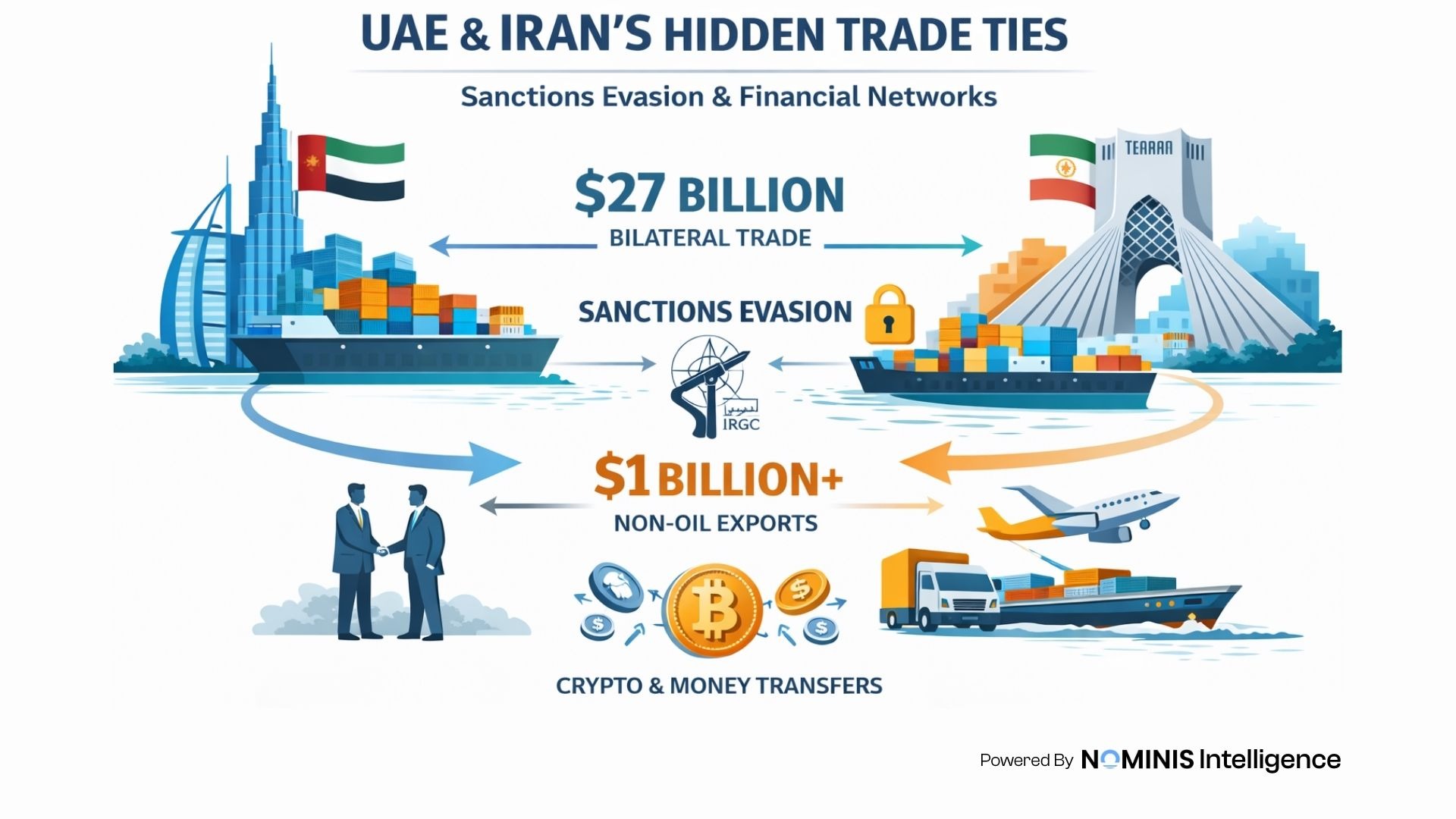
For decades, Dubai has served as Iran’s most important financial gateway to the global economy.
Through waves of international sanctions, banking restrictions, and diplomatic pressure, the city remained one of the few global financial centers where Iranian money could still move.
Now, according to reports cited by major international media outlets, the United Arab Emirates may be reconsidering that role.
If the UAE moves to freeze Iranian financial assets or restrict Iranian financial networks operating through Dubai, the consequences could reshape Iran’s ability to operate economically and strategically across the region.
Dubai’s Role in Iran’s Sanctions Survival
For more than forty years, Dubai functioned as a critical financial hub for Iranian economic activity.
Even during periods when Western sanctions isolated Iran from international banking systems, Iranian businesses could still operate through networks in Dubai.
These channels included:
- currency exchange houses
- gold trading markets
- free-zone shell companies
- trade intermediaries handling imports and exports
Through these mechanisms, Iranian entities were able to convert oil revenues into foreign currency, pay for international trade, and maintain financial connections with the outside world.
The system also supported Iran’s broader geopolitical strategy, allowing funds to flow toward various regional partners and operations.
Why U.S. Sanctions Never Fully Shut It Down

For years, the United States Treasury attempted to dismantle these financial networks through sanctions enforcement.
However, fully shutting them down required cooperation from the UAE government, something that was not always forthcoming.
Dubai’s economic model depended on being a neutral global financial hub, open to international capital flows from many different sources.
Maintaining this position allowed Dubai to attract:
- international investment
- trade flows
- financial services revenue
This approach helped transform Dubai into one of the largest financial and commercial centers in the Middle East.
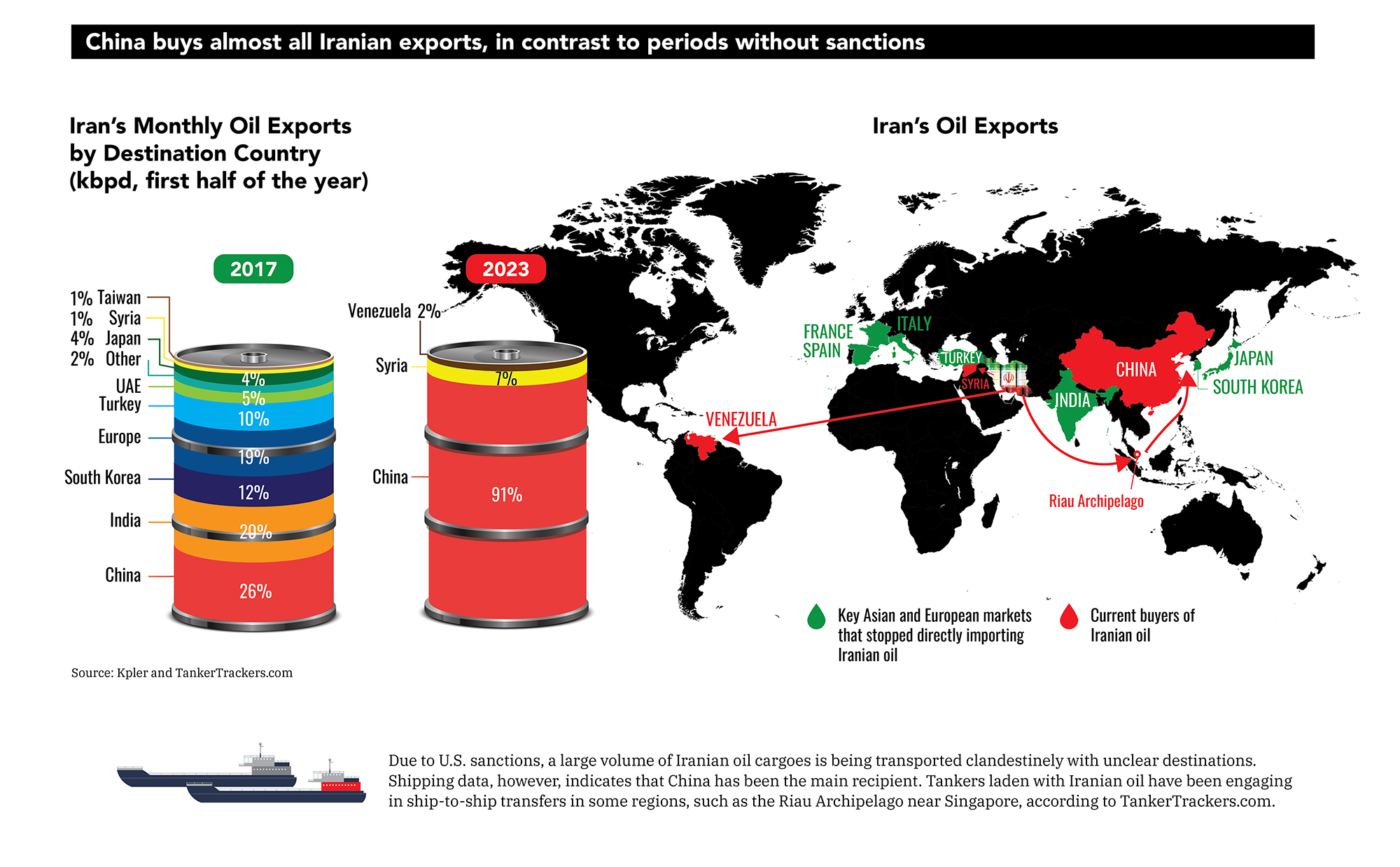
Infographic: How Iran’s Sanctions-Evasion Network Works
Step 1 — Oil Revenue Generation
Iran exports crude oil and petrochemical products to buyers in Asia and other markets.
Payments are often routed through intermediaries to avoid direct transfers to sanctioned Iranian institutions.
These revenues form the financial base of the network.
Step 2 — Shell Companies in Dubai

Front companies are established in UAE free zones or trading hubs.
These companies typically appear as ordinary trading firms involved in:
-
electronics imports
-
petrochemical trading
-
shipping logistics
-
commodity trading
Payments from international buyers can be received by these companies instead of Iranian entities.
Step 3 — Currency Exchanges and Hawala Networks
Funds move through currency exchange houses or informal hawala networks operating in the UAE.
These systems allow money to:
-
bypass traditional bank transfers
-
convert Iranian rial into dollars or euros
-
settle accounts through trade balances
Step 4 — Gold and Commodity Conversion
In some cases, funds are used to purchase gold or other commodities in Dubai markets.
Gold can then be:
-
transported to other countries
-
resold internationally
-
converted back into cash
This process helps transform restricted funds into legitimate trade proceeds.
Step 5 — Global Trade Payments
Once funds are converted into usable currency, they can support:
-
imports of industrial equipment
-
purchase of electronics and machinery
-
financing of commercial trade
-
international procurement operations
Step 6 — Entry Into Global Markets
Through layers of intermediaries and trade transactions, funds eventually re-enter the international financial system.
This allows sanctioned actors to continue conducting economic activity despite restrictions.
The Strategic Ambiguity That Benefited Both Sides
Dubai’s policy toward Iranian financial activity rested on a long-standing strategic ambiguity.
The UAE did not openly defy international sanctions.
But it also did not fully sever economic connections with Iran.
This arrangement created mutual advantages.
For Iran:
- access to global financial systems
- ability to convert oil revenues
- trade channels for sanctioned goods
For Dubai:
- strong trade activity with Iran
- investment inflows
- economic leverage over Tehran
As long as relations remained stable, this balance allowed both sides to benefit.
What Has Changed
Recent regional tensions have dramatically altered that equation.
Reports indicate that Iranian drone and missile activity has directly affected the UAE, including disruptions to aviation routes and threats to energy infrastructure.
These developments have raised new questions inside the UAE about whether maintaining financial connections with Iran still serves its national interests.
If Iranian military activity begins to directly threaten the UAE’s economic stability, the political cost of maintaining financial channels could increase significantly.
What Happens If the UAE Freezes Iranian Assets
If the UAE were to freeze Iranian assets or shut down financial networks connected to Tehran, the consequences could be substantial.
Iran would face several challenges:
- reduced access to foreign currency
- limited trade financing options
- fewer channels for sanctions evasion
Such measures would not necessarily collapse Iran’s economy overnight, but they could significantly complicate Tehran’s ability to conduct international financial operations.
The Importance of Financial Gateways
Modern sanctions rarely operate through a single restriction.
Instead, they rely on limiting access to global financial gateways.
Cities like Dubai function as critical nodes in the international economic system.
When these nodes remain open, sanctioned economies often find ways to continue operating.
When they close, economic isolation becomes much more severe.
A Potential Turning Point in Regional Finance
For decades, Dubai served as one of the last remaining financial bridges between Iran and the global economy.
If the UAE changes its approach, it could mark a significant shift in how regional financial networks interact with international sanctions regimes.
Whether such a move occurs—and how extensive it would be—remains uncertain.
But the possibility alone highlights how deeply geopolitics and financial systems are intertwined in the Middle East.