From a defence and security perspective, the United Kingdom initiative reflects a measured shift toward persistent maritime enforcement rather than episodic interdiction. Reporting by The Sunday Times suggests London is seeking to institutionalise its response to Russia’s shadow fleet by creating a standing command structure with intelligence, surveillance, and limited enforcement functions.
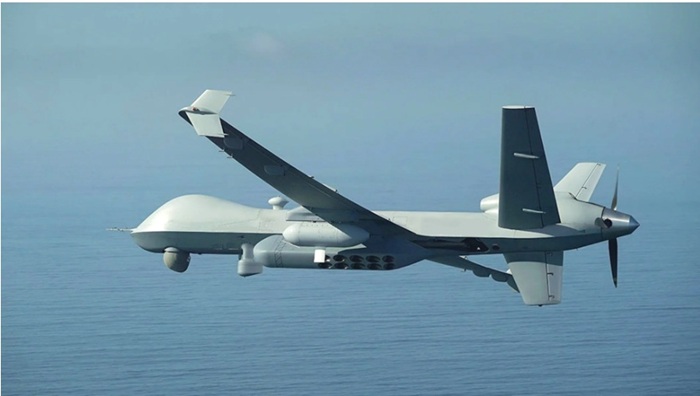
Placing the headquarters at HMS Calliope in Gateshead—currently a reserve facility—signals intent without immediate escalation. Converting an existing site into a permanent operational base reduces political visibility while enabling continuity of monitoring. The focus on remotely operated maritime platforms aligns with wider Royal Navy trends toward unmanned systems for routine presence, data collection, and risk reduction.
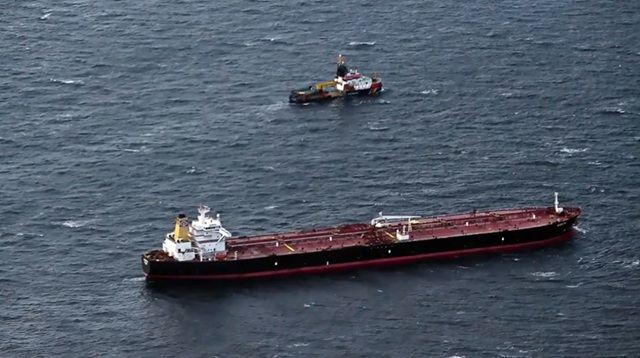
Operationally, unmanned surface vessels patrolling the North Sea and the English Channel would prioritise attribution rather than confrontation. The shadow fleet’s core advantage lies in ambiguity: frequent changes of name, flag, ownership structure, and routing. Persistent surveillance allows authorities to correlate movements, document patterns, and build evidentiary chains that can support legal action later, including port state control measures or sanctions enforcement when vessels enter cooperative jurisdictions.
The approach also reflects a recognition of constraints. Intercepting or seizing tankers at sea carries legal, diplomatic, and environmental risks. Continuous tracking, by contrast, supports a strategy of selective enforcement—acting only when conditions are favourable and legal authorities are clear. In this sense, the command centre would function less as a tactical hub and more as an intelligence-fusion node for maritime sanctions compliance.
Cost remains a central issue. Detaining large tankers and managing their cargoes over extended periods can quickly outweigh the immediate enforcement benefits. The reported consideration by the team of Defence Secretary John Healey of selling seized oil to offset detention costs suggests an effort to make enforcement financially sustainable. If implemented, this would mark a pragmatic, if legally complex, evolution in sanctions practice.
Strategically, the UK move complements broader European efforts to tighten oversight of Russian-linked shipping, particularly in the Baltic Sea. Rather than signalling a dramatic escalation, the proposed command centre points to a longer-term contest over visibility, legality, and endurance—using surveillance, documentation, and economic pressure to gradually narrow the operating space available to Russia’s shadow fleet.