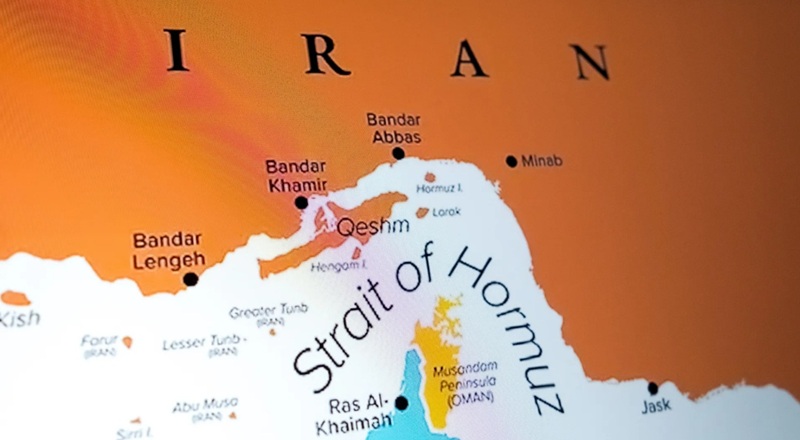
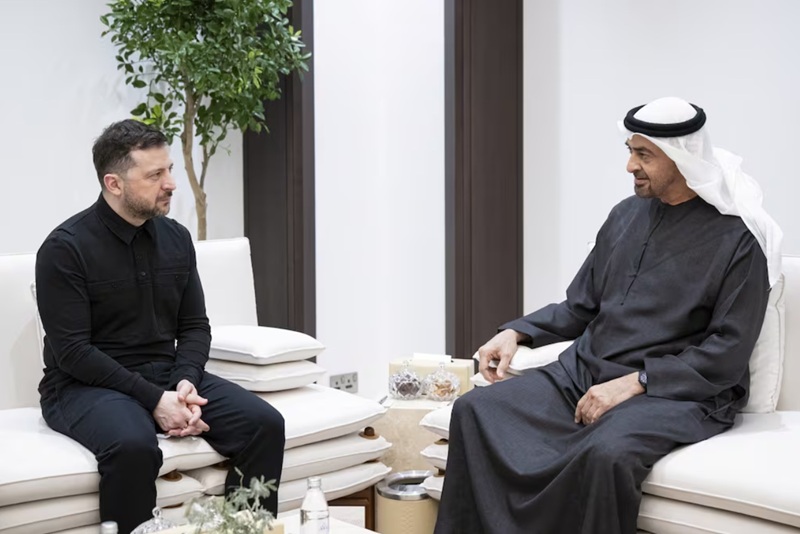
Ukraine is rapidly transforming from a frontline warzone into a global security provider, offering its hard-earned drone warfare expertise to Gulf nations facing escalating aerial threats.
Led by Volodymyr Zelenskyy, Kyiv has deployed 228 counter-drone specialists across key Gulf countries including Jordan, Qatar, Saudi Arabia, Kuwait, and the UAE.
This marks a significant expansion of Ukraine’s military footprint beyond Europe, positioning it as a new player in Middle Eastern defense dynamics.
The Strategic Trade: Drones for Patriots
At the center of Ukraine’s push is a clear exchange model:
- Ukraine offers:
- Interceptor drones
- Combat-tested drone operators
- Real-world counter-UAS tactics
- In return, it seeks:
- Patriot PAC-3 missile interceptors
Zelenskyy framed the proposal bluntly:
“If they give them to us, we will give them interceptors.”
The deal reflects a transactional security model, where Ukraine leverages its battlefield innovation to secure high-end Western weaponry it cannot produce at scale.
Why Patriot Missiles Are in Short Supply
The urgency behind this exchange stems from a growing missile defense crisis:
- Over 800 Patriot interceptors used in just three days during the Iran conflict
- Simultaneous U.S. strikes on 2,000+ targets inside Iran
- Rising drone and missile threats across the Middle East
With demand stretching across Europe, the Middle East, and the Indo-Pacific, Ukraine finds itself at the back of the supply line for these critical systems.
Ukraine’s Edge: Cheap, Scalable Drone Warfare
Ukraine’s offer is built on one key advantage — scale at low cost:
- Production capacity of ~2,000 interceptor drones per day
- Significantly cheaper than missile-based air defense
- Proven effectiveness against Iranian-designed Shahed drones
This creates a layered defense approach:
Two-Tier Air Defense Model
- Drone interceptors (Ukraine): Counter mass drone attacks
- Patriot systems (Gulf/U.S.): Stop ballistic and high-end threats
The model reduces reliance on expensive missiles while maintaining defensive depth.
From Warzone to Defense Exporter
Ukraine’s Gulf deployment highlights a broader transformation:
- Training NATO forces in drone warfare
- Exporting electronic warfare and counter-UAS tactics
- Integrating battlefield systems into allied exercises
NATO officials have increasingly acknowledged Ukraine’s battlefield experience as unmatched in modern warfare.
Gulf Strategy Signals a Power Shift
Ukraine’s move into the Gulf reflects deeper geopolitical shifts:
1. Ukraine as a Security Provider
No longer just reliant on aid, Kyiv is now offering military value in return.
2. Rise of Drone Warfare Diplomacy
Drone technology is becoming a currency of influence in global defense.
3. Entry Into Middle East Security Architecture
Ukraine is positioning itself alongside traditional players like the U.S. in Gulf defense cooperation.
War at Home, Influence Abroad
Despite ongoing conflict with Russia, Ukraine continues to:
- Sustain frontline operations
- Strike strategic Russian infrastructure
- Export military expertise abroad simultaneously
This dual capability underscores Kyiv’s transition into a wartime innovator with global reach.
Conclusion
Ukraine’s offer to Gulf allies represents more than a military deal — it is a strategic pivot.
By trading drone defense for Patriot missiles, Kyiv is:
- Turning battlefield experience into leverage
- Addressing critical supply shortages
- Expanding its geopolitical influence beyond Europe
In a world where high-end weapons are scarce, Ukraine is proving that innovation and adaptability can be just as powerful as firepower.