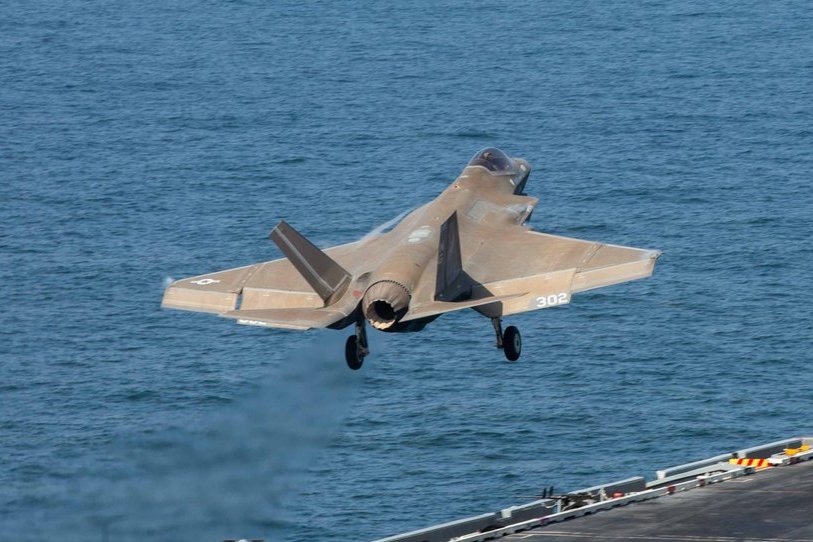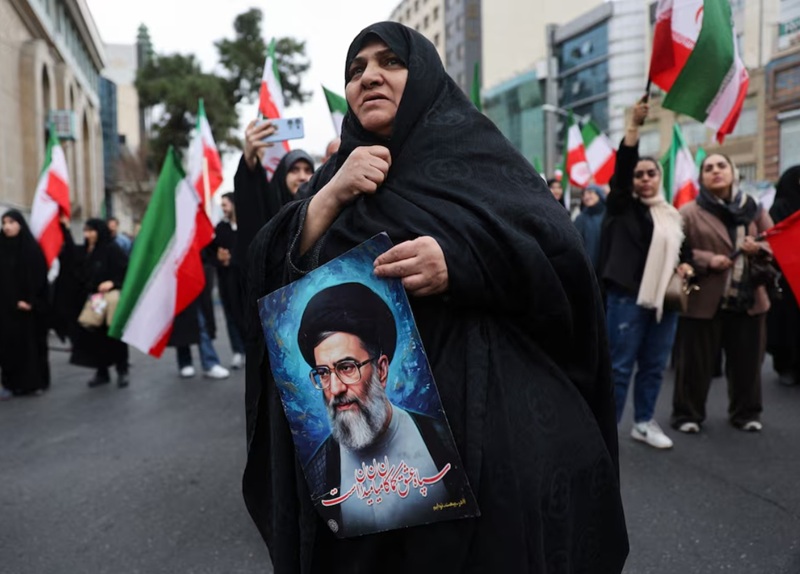
A wave of unconfirmed reports circulated today claiming that several senior Iranian political and military figures were killed in ongoing U.S.–Israeli operations. While some names have been publicly listed by Israeli sources, many claims remain unverified, and no independent confirmation has been issued by Iranian authorities.
Given the scale of the claims — including reports concerning Iran’s Supreme Leader — it is critical to distinguish between confirmed information, official statements, and battlefield speculation.
Reported Names: What Has Been Claimed
Among the figures reportedly killed (all unconfirmed at time of writing) are:
- Ali Khamenei – Supreme Leader of Iran
- Mojtaba Khamenei – Son of the Supreme Leader
- Aziz Nasirzadeh – Minister of Defense
- Ali Shamkhani – Senior Security Adviser
- Mohammad Pakpour – IRGC Commander (conflicting reports reference ground forces)
- Ali Reza Tangsiri – IRGC Navy Chief
- Mohammad Shirazi – Head of the Military Bureau of the Supreme Leader
- Saleh (Salah) Asadi – Intelligence Chief of Khatam al-Anbiya Headquarters
- Hossein Jabal Ameli – Senior figure linked to SPND
Israeli military sources reportedly released a list naming several of these individuals, but Tehran has not confirmed these deaths.
At this stage, none of the claims regarding the death of Ali Khamenei have been independently verified.
Satellite Imagery and Bunker Strike Claims
Satellite imagery circulating online appears to show three impact points inside a residential compound in Tehran reportedly associated with the Supreme Leader.
Analysts suggest the strike pattern resembles bunker-busting munitions, possibly indicating an attempt to target a hardened underground shelter.
If accurate, the timing of the strike may have been intended to trap occupants inside a protected structure before impact. However, these interpretations are based on imagery analysis and remain unconfirmed.
Is Khamenei Dead or Alive?
At present, there is no verified confirmation of Ayatollah Khamenei’s status.
Operationally, if a leadership decapitation strike had occurred around 10 a.m. Tehran time, observers note that Iran’s military response machinery activated immediately afterward — with coordinated missile and drone counterstrikes expanding across multiple fronts.
That rapid and structured response suggests that:
- Iran’s command-and-control network remains operational
- Decision-making channels are functioning
- Military coordination appears intact
Whether this indicates continuity of top leadership or a pre-delegated chain of command remains unclear.
What U.S. Intelligence Assessed Before the Strike
According to sources briefed on intelligence assessments, the Central Intelligence Agency evaluated possible post-strike scenarios in Iran over the past two weeks.
Among the scenarios considered:
- Hardline Islamic Revolutionary Guard Corps (IRGC) figures consolidating power
- Internal elite power struggle
- Limited instability without full regime collapse
The CIA reportedly did not conclude with certainty that regime change would occur, even if the Supreme Leader were killed.
The agency declined public comment.
Trump’s Public Position on Regime Change
In a morning video address, Donald Trump described Tehran as a “terrorist regime” and encouraged Iranian citizens to assume control of their government.
When asked how long U.S. military operations would continue, Trump responded:
“As long as we want it to… It’s done such damage already. They are incapacitated, essentially.”
When asked who might lead Iran if the regime falls, he added:
“Yes. We have a very good idea.”
However, Washington has not publicly identified any preferred successor figures.
Wartime Succession Signals Inside Iran
According to Iran’s Students’ News Agency (ISNA), Vice President Mohammad Reza Aref was informed of contingency plans placing him in charge during wartime conditions.
There has been no explicit statement regarding President Masoud Pezeshkian’s operational capacity.
Witnesses also reported security roadblocks near government offices in Tehran, though the reasons remain unclear.
Could the IRGC Take Power?
One of the most plausible scenarios discussed by analysts is an IRGC-dominated consolidation of power.
The IRGC’s institutional purpose is safeguarding Iran’s clerical system. In a crisis:
- It possesses command authority
- Controls major security assets
- Maintains internal discipline
If Supreme Leader authority were disrupted, IRGC leadership could assume interim control rapidly.
The “Decapitation Strategy” Theory
Former Iranian insider Jaber Rajabi previously argued that removing approximately “10 key individuals” could trigger regime change without systemic collapse.
He claimed:
- A small elite circle holds real power
- Thousands of secondary officials could be sidelined via amnesty
- Internal networks could facilitate transition
While such exile claims are often overstated, the concept reflects a longstanding debate about whether targeted leadership removal could produce controlled transformation rather than chaos.
Strategic Reality vs. Information War
At present, several key points remain clear:
- Claims of mass leadership casualties remain unverified.
- Iranian counterstrikes suggest command continuity.
- U.S. officials previously assessed multiple post-strike scenarios — none certain.
- Regime change rhetoric has intensified publicly.
The battlefield picture shows structured Iranian retaliation rather than systemic collapse — at least for now.
What Happens Next?
Possible trajectories include:
- Controlled IRGC consolidation
- Prolonged military escalation
- Internal elite fragmentation
- Public unrest catalyzed by sustained strikes
However, without verified confirmation regarding senior leadership casualties, conclusions remain speculative.
In high-intensity conflicts, information warfare often moves faster than facts.
Until official confirmation emerges, the status of Iran’s top leadership remains unknown — and the strategic implications remain fluid.