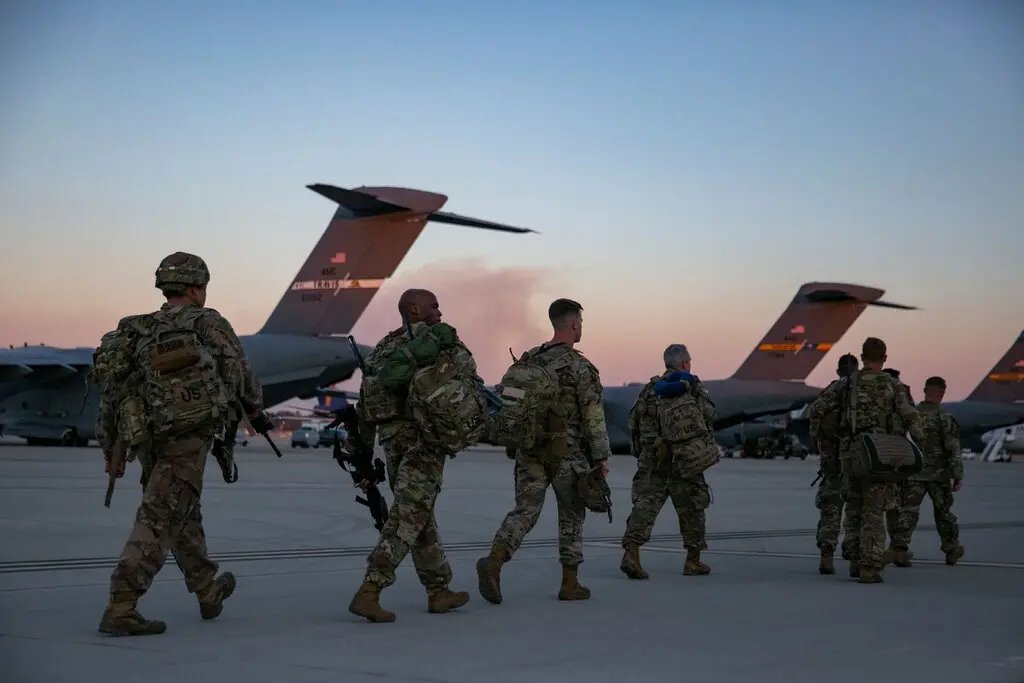
The revelation that nearly 20 U.S. Air Force aircraft have been damaged or destroyed within the first three weeks of the Iran war marks a critical shift in the conflict.
What began as a high-intensity precision strike campaign has now evolved into a prolonged contested-airspace war, where operational tempo and air-defense density are imposing real costs on American airpower.
From Shock Strikes to Sustained Air Warfare
The joint U.S.–Israel campaign, which began in late February 2026, initially focused on:
- Iranian nuclear facilities (including Natanz)
- Air-defense systems
- Military infrastructure
However, the conflict has transitioned into a continuous high-tempo air campaign, requiring:
- Daily sorties
- Repeated penetration of defended airspace
- Sustained operational pressure
This shift has significantly increased exposure to risk and cumulative damage.
F-35 Hit Signals New Phase of Risk
A major turning point came on March 19, 2026, when an F-35A Lightning II was damaged during a combat mission over Iran.
Key Details:
- Aircraft struck by suspected Iranian air defenses
- Pilot injured but successfully landed
- Aircraft recoverable but damaged
This marks the first confirmed combat hit on an F-35 in the conflict, demonstrating that:
Even stealth aircraft are vulnerable in dense air-defense environments.
Friendly Fire and Early Losses
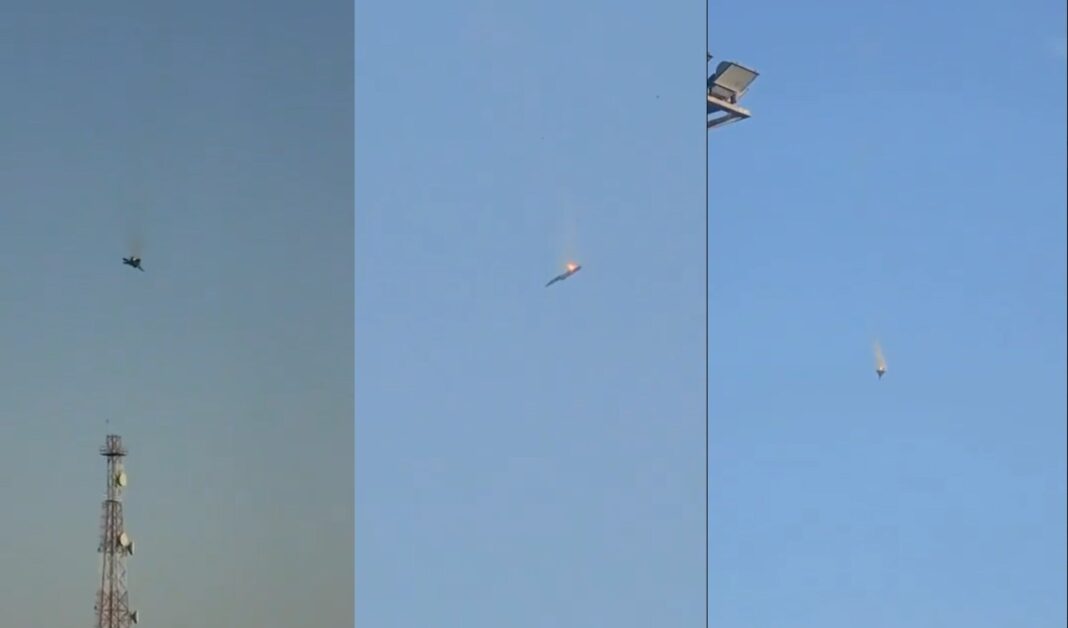
One of the earliest major incidents occurred on March 1, 2026, when:
- Three F-15E Strike Eagles were destroyed
- Incident caused by Kuwaiti air defense friendly fire
- All pilots ejected safely
BREAKING: A U.S. F-15 crashed in Kuwait; the pilot ejected safely. pic.twitter.com/kJ3qEGNdEX
— Mintel World (@mintelworld) March 2, 2026
This highlights the complexity of coalition operations where:
- Multiple air-defense systems overlap
- Identification timelines are compressed
- Airspace becomes saturated with aircraft
Not all losses are due to enemy action.
Drone Losses Add to the Toll
A significant portion of losses involves unmanned systems:
MQ-9 Reaper Losses:
- More than a dozen reportedly destroyed
- Vulnerable to:
- Surface-to-air missiles
- Air-defense systems
- Some likely destroyed on the ground
Each MQ-9 costs approximately $16 million, meaning repeated losses carry:
- Financial impact
- Operational consequences
Reduced ISR (intelligence, surveillance, reconnaissance) capability.
High Tempo, High Risk
The scale of operations is a key factor behind rising losses:
Operational Reality:
- Continuous sortie generation
- Multi-target strike missions
- Long-range deployments from regional bases
This creates:
- Increased exposure to defended airspace
- Greater probability of:
- Combat damage
- Accidents
- Coordination errors
Even small risks compound over time into measurable attrition.
Logistics: The Hidden Vulnerability
Sustaining this campaign requires a massive logistics network:
- Tanker aircraft
- ISR platforms
- Maintenance infrastructure
- Forward air bases
These create additional “targets” within the operational system.
Iranian missile strikes on bases and infrastructure further increase vulnerability.
Attrition Without Decisive Battle
Despite losses, U.S. officials emphasize:
- Operational tempo remains unchanged
- Strike missions continue at scale
However, the data reveals a key insight:
The war is imposing steady, cumulative costs without a single निर्णायक (decisive) engagement
This is characteristic of modern high-intensity air warfare.
Iran’s Air Defense Still Active
The continued losses indicate that:
- Iranian air-defense systems remain operational
- Coalition strikes have not fully suppressed them
This allows Iran to:
- Contest airspace
- Inflict damage even on advanced platforms
Air superiority is being challenged—not denied, but not uncontested either.
Strategic Implications
Shift in War Dynamics
- From quick strikes → prolonged attritional campaign
Rising Cost Curve
- Aircraft losses (manned + unmanned)
- Increased maintenance and replacement demands
Operational Complexity
- Coordination across multiple countries
- Increased risk of friendly fire and errors
The Bigger Picture
The figure of ~20 damaged or destroyed aircraft in just three weeks highlights a critical reality:
Sustained air campaigns against capable state adversaries are costly—even for advanced militaries
As long as:
- Sortie rates remain high
- Air defenses remain active
Further losses are likely.
Conclusion
The early phase of the Iran war has already demonstrated that modern airpower, while dominant, is not immune to attrition.
The damage to high-value platforms like the F-35 underscores a broader shift:
This is no longer a precision strike campaign—it is a prolonged air war defined by endurance, risk, and cumulative losses.