



The United States is quietly exploring a Compact of Free Association (COFA)-style agreement with Greenland, a move that could dramatically reshape Arctic geopolitics, strain NATO cohesion and sideline Denmark’s long-standing sovereignty over the vast Arctic territory, according to reporting by The Economist and European media outlets.
Under the proposed framework, Washington would offer direct financial assistance, infrastructure investment and economic support to Greenland in exchange for assuming responsibility for its defence and foreign affairs, while allowing Nuuk to retain control over internal governance. The model closely mirrors existing U.S. COFA agreements with Micronesia, the Marshall Islands and Palau, which grant the U.S. military broad access rights while restricting rival powers—most notably China—from operating there.
Bypassing Denmark
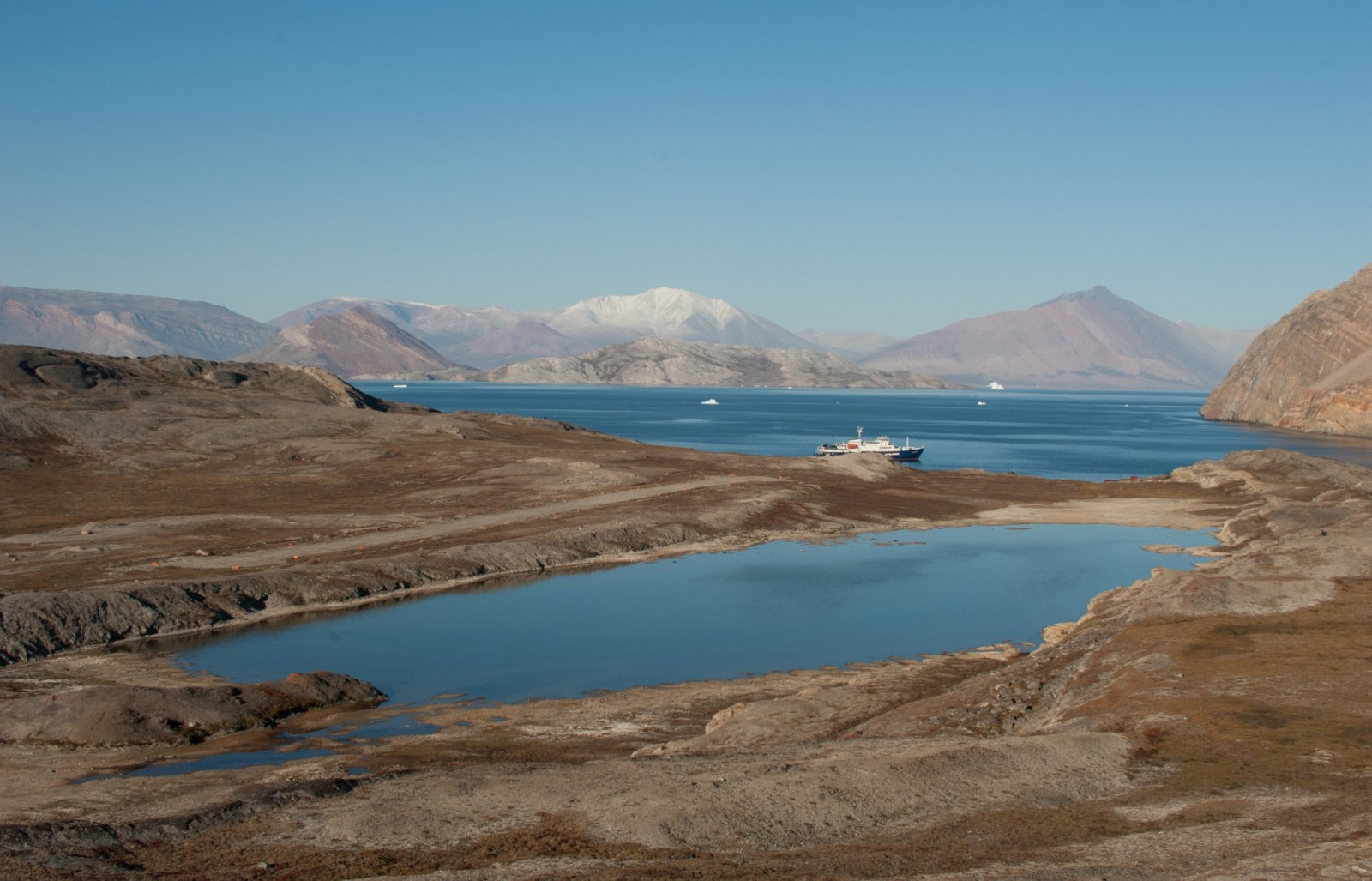
Crucially, the proposal could be presented directly to Greenland’s authorities, effectively bypassing Copenhagen. Greenland, an autonomous territory of Denmark with a population of about 57,000—predominantly Inuit, has exercised self-rule over domestic affairs since 2009 but continues to rely on Denmark for defence and foreign policy.
Analysts say such a deal would represent a de facto transfer of sovereignty over strategic domains to Washington, granting the U.S. veto power over resource extraction deals, including rare-earth mining projects vital to global technology and green-energy supply chains.
Strategic Value and Existing US Footprint
The U.S. already maintains a powerful military presence at Pituffik Space Base (formerly Thule Air Base) under a 1951 defence treaty with Denmark, enabling missile-warning systems, space surveillance and Arctic monitoring. A COFA arrangement would deepen that footprint, placing Greenland squarely within the U.S. security architecture.
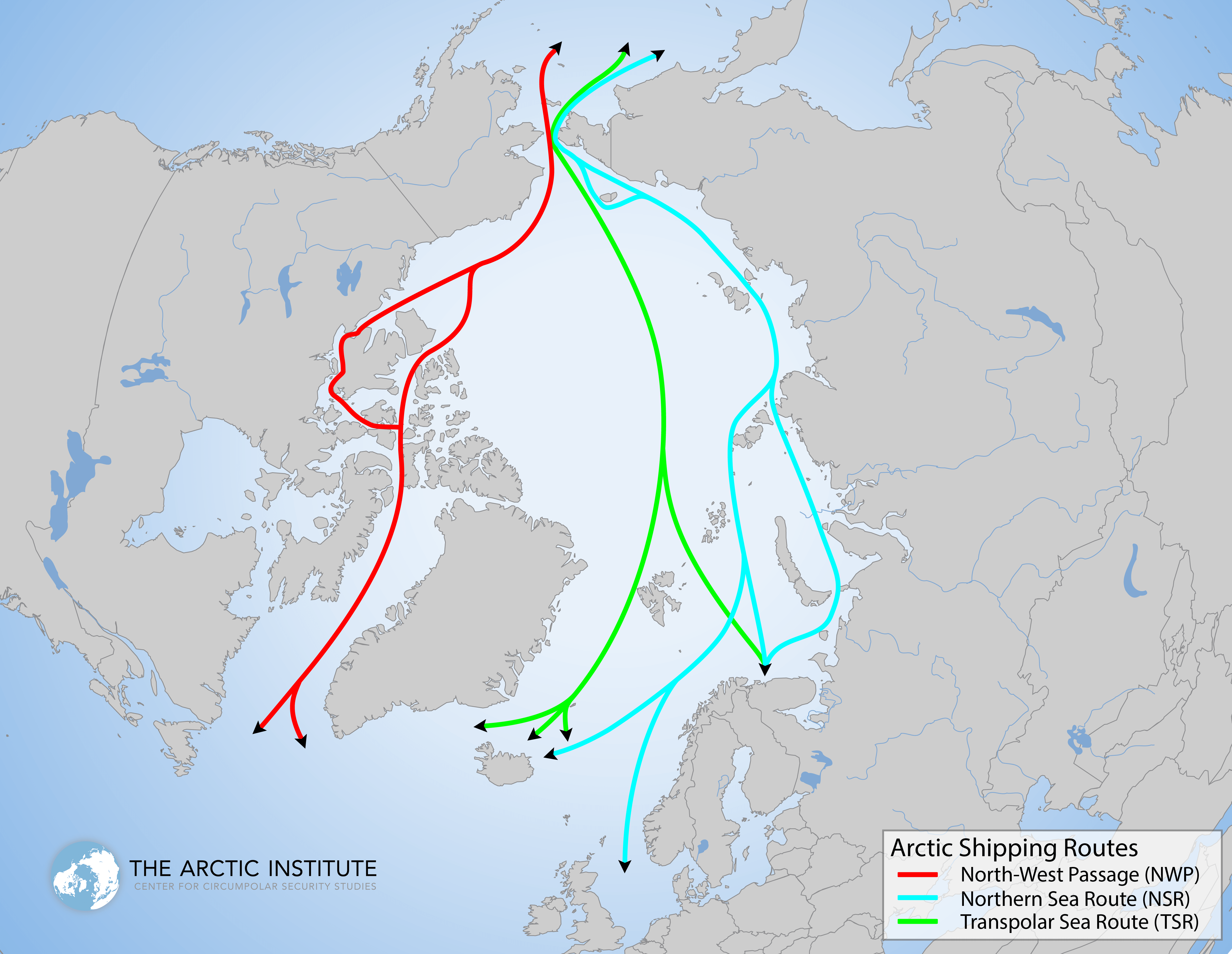
Greenland’s strategic value has grown sharply as melting Arctic ice opens new shipping routes, including the Northwest Passage, which could cut global transit times by up to 40 percent. The island is also believed to hold 10–20 percent of the world’s rare-earth reserves, resources critical for semiconductors, batteries and defence technologies.
Trump’s Renewed Push
Former U.S. President Donald Trump has revived his long-standing interest in Greenland since returning to office, framing the issue as a matter of U.S. national security. Trump first floated the idea of buying Greenland in 2019—a proposal Denmark dismissed as “absurd”—but has reiterated the concept in 2025–26, arguing that Danish control is outdated amid intensifying Arctic competition.
Senior aides, including Stephen Miller, have described Denmark’s role as “colonial” and declined to rule out coercive measures, though invasion scenarios are widely viewed as impractical given Greenland’s terrain—80 percent ice-covered—and Denmark’s NATO membership.
European Alarm and NATO Risks
Danish Prime Minister Mette Frederiksen has issued stark warnings, saying any U.S. military move against Greenland would “dismantle NATO” and upend transatlantic security arrangements built since World War II. Greenland’s prime minister has likewise rejected what he called Trump’s “fantasies.”
European leaders, including Poland’s Donald Tusk, have voiced solidarity with Denmark. Invoking NATO’s Article 5 against the United States would be unprecedented and could effectively dissolve the alliance, forcing Europe into rapid remilitarisation.
Public Opinion and Economic Leverage
While 74 percent of Greenlanders oppose U.S. annexation, according to a 2023 poll, analysts caution that economic incentives could sway opinion. Greenland’s GDP is roughly $3 billion, and Denmark provides annual subsidies of about $600 million, making Nuuk economically vulnerable to external offers.
Critics describe the U.S. strategy as a “land grab” that exploits these vulnerabilities to erode Danish sovereignty, while proponents argue it is necessary to counter Chinese and Russian encroachment in the Arctic.
Timeline and Political Signalling
Reports in Politico suggest Washington could attempt to secure decisive influence over Greenland within months, with symbolic milestones such as July 4, 2026, circulating in U.S. policy circles. European media speculate about accelerated timelines—some citing “20-day escalation windows”—heightening anxiety across NATO capitals.
Analysis
Rather than a sudden takeover, analysts say the strategy reflects a dual-track approach: intensifying political friction between Greenland and Denmark while opening direct negotiations with Nuuk. If realised, a COFA-style deal would mark the most significant shift in Arctic governance in decades—reshaping power balances, testing NATO unity and redefining sovereignty in an era of climate-driven competition.
Discover more from Defence Talks | Defense News Hub, Military Updates, Security Insights
Subscribe to get the latest posts sent to your email.


