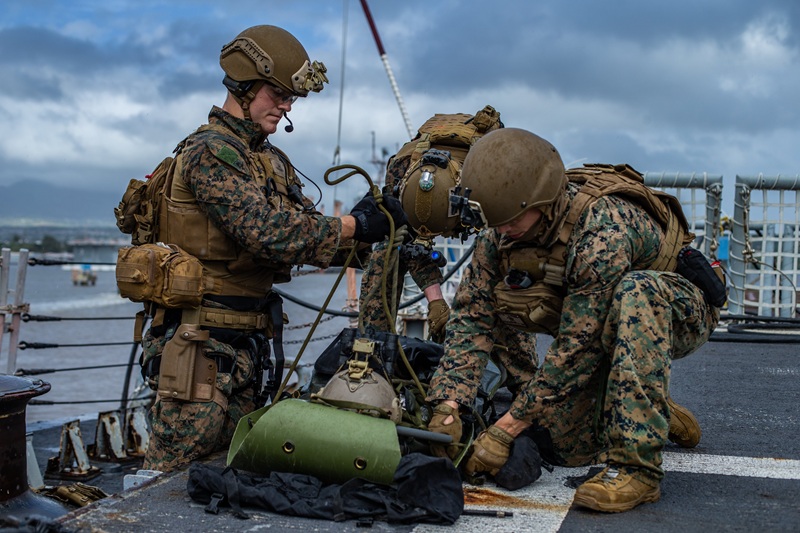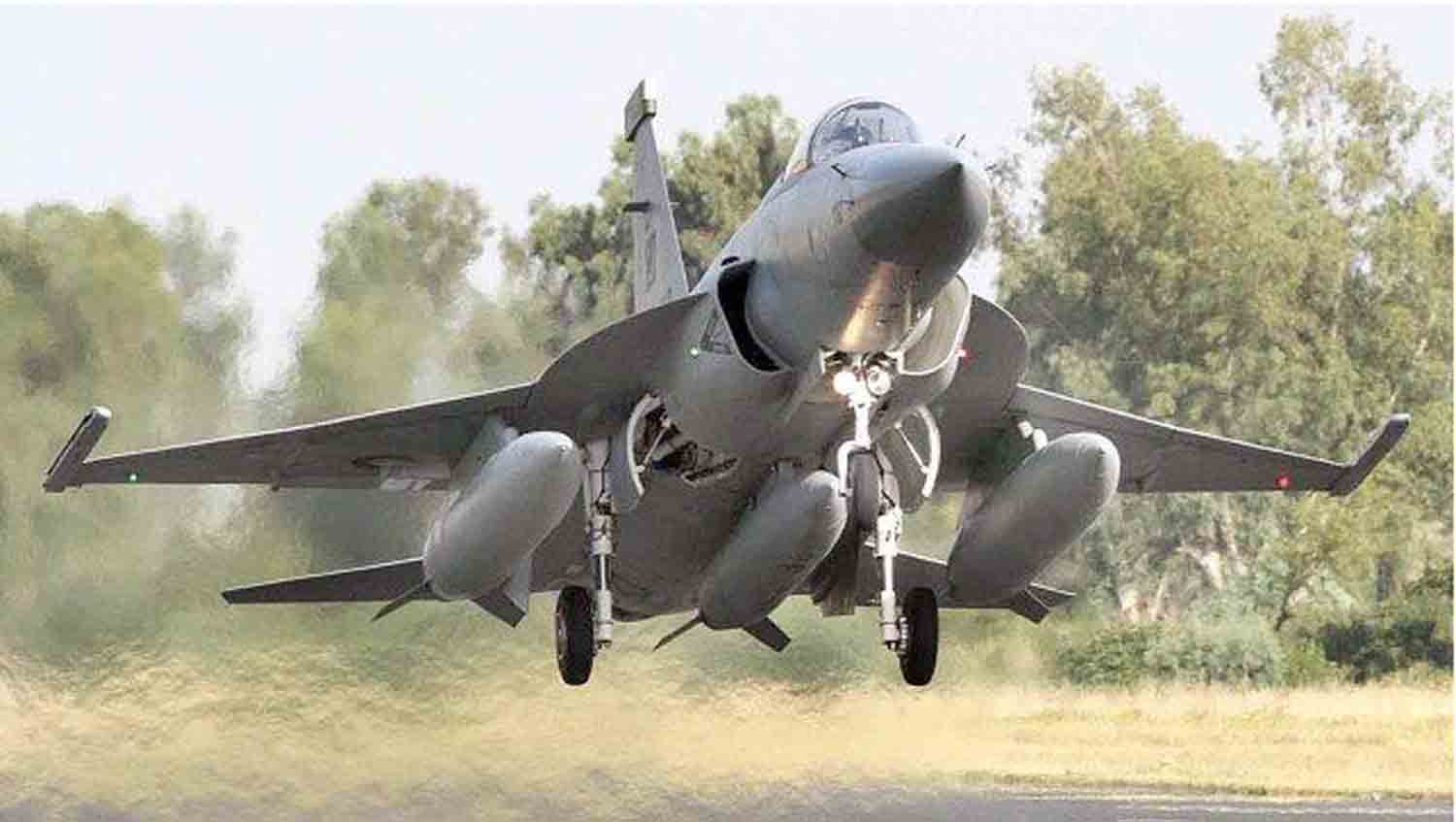

U.S. military operations against Iran are increasingly being conducted from European bases, marking a significant shift in operational posture that could affect the tempo and effectiveness of the conflict.
Officials confirm that American bombers, drones, and naval support operations are now being launched and sustained from bases across:
- The United Kingdom
- Germany
- France
- Italy
- Portugal
- Greece
This relocation reflects growing political and operational constraints in the Middle East—but it comes with a major trade-off: distance.
Longer Distance, Lower Strike Tempo
Operating from Europe significantly increases the distance to targets in Iran, which directly impacts:
- Sortie rate (missions per day)
- Response time
- Sustained interdiction capability
In modern warfare, distance equals reduced operational pressure.
Fewer sorties mean fewer strikes—and ultimately, less effective interdiction of enemy systems.
Ramstein: The Central Command Hub

Ramstein Air Base in Germany has emerged as the central hub for U.S. operations:
- Command and control center for operations against Iran
- Coordination of air missions across multiple theaters
- Base for drone operations and intelligence support
Its role highlights how the conflict is increasingly being managed from outside the immediate battlefield region.
European Air Base Network Supporting Operations
United Kingdom – Strike Operations
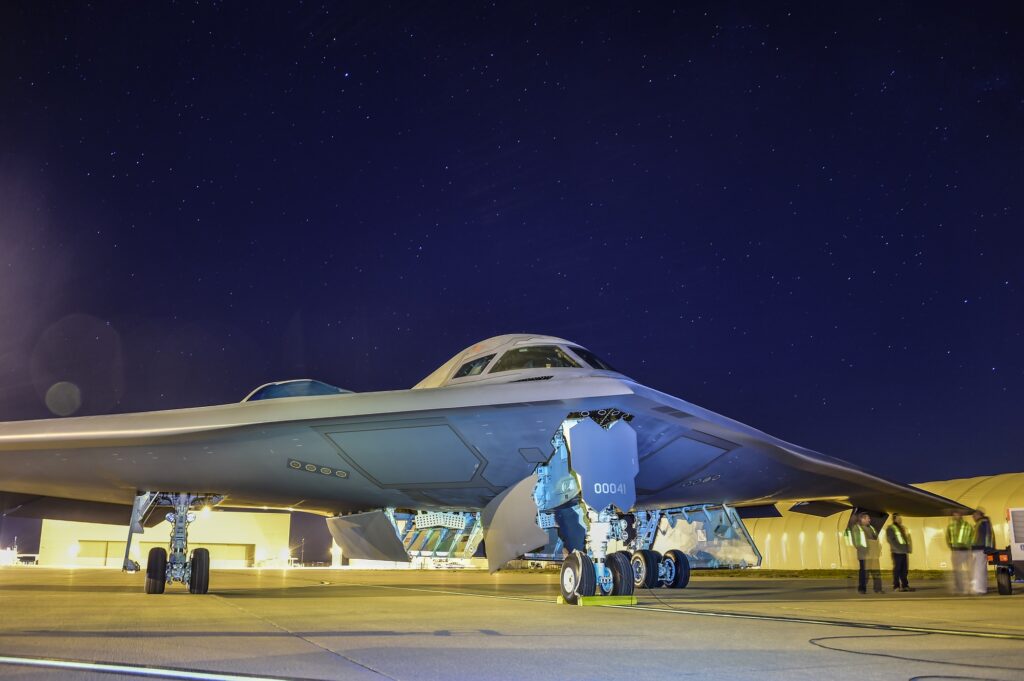
- RAF Fairford hosting U.S. bombers
- Long-range strike missions launched from UK territory
Italy & France – Refueling Backbone
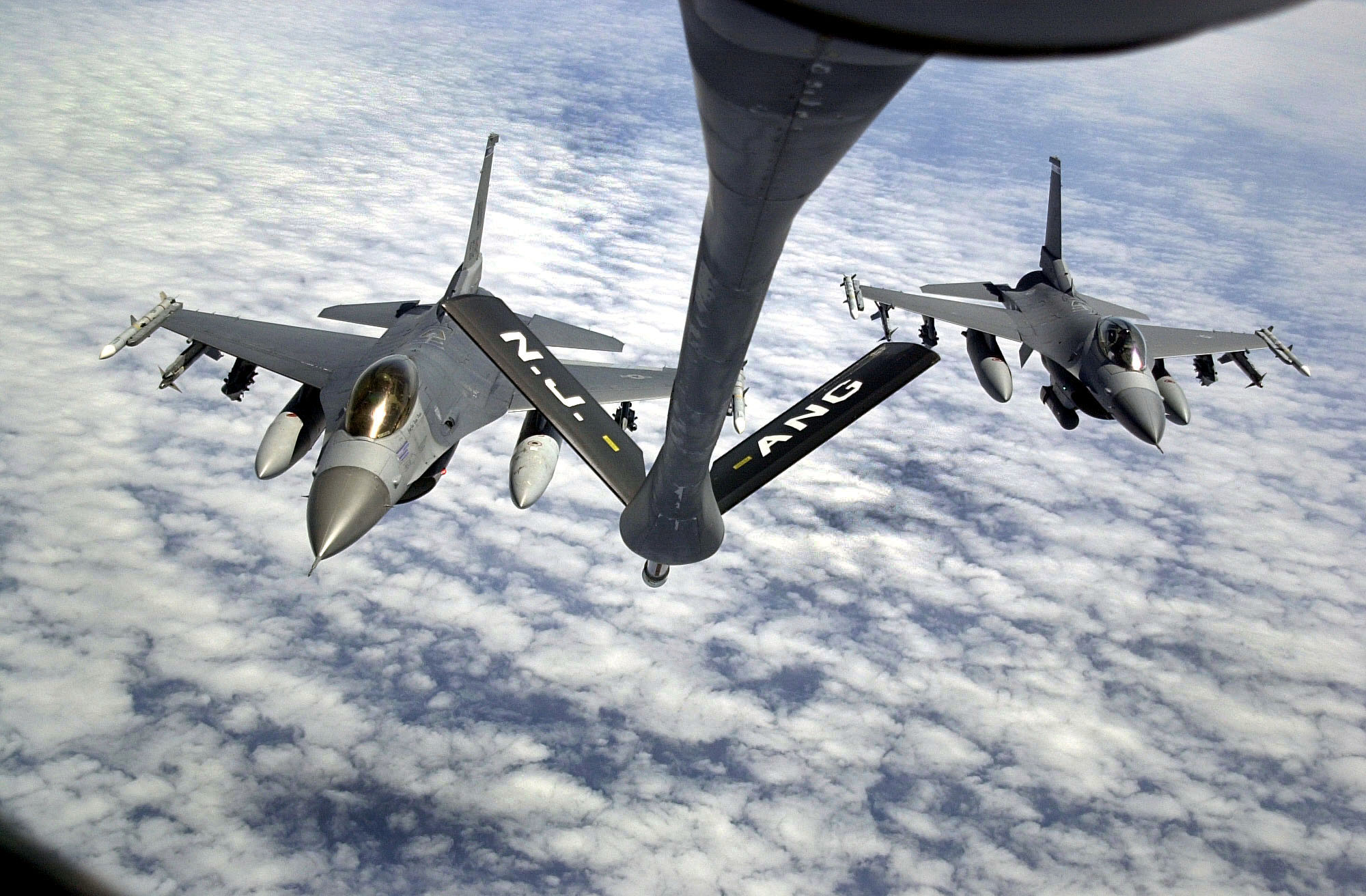
- Aviano Air Base (Italy) → aerial refueling hub
- French bases supporting tanker operations
These bases act as the lifeline for long-range missions
Portugal – Logistics Hub
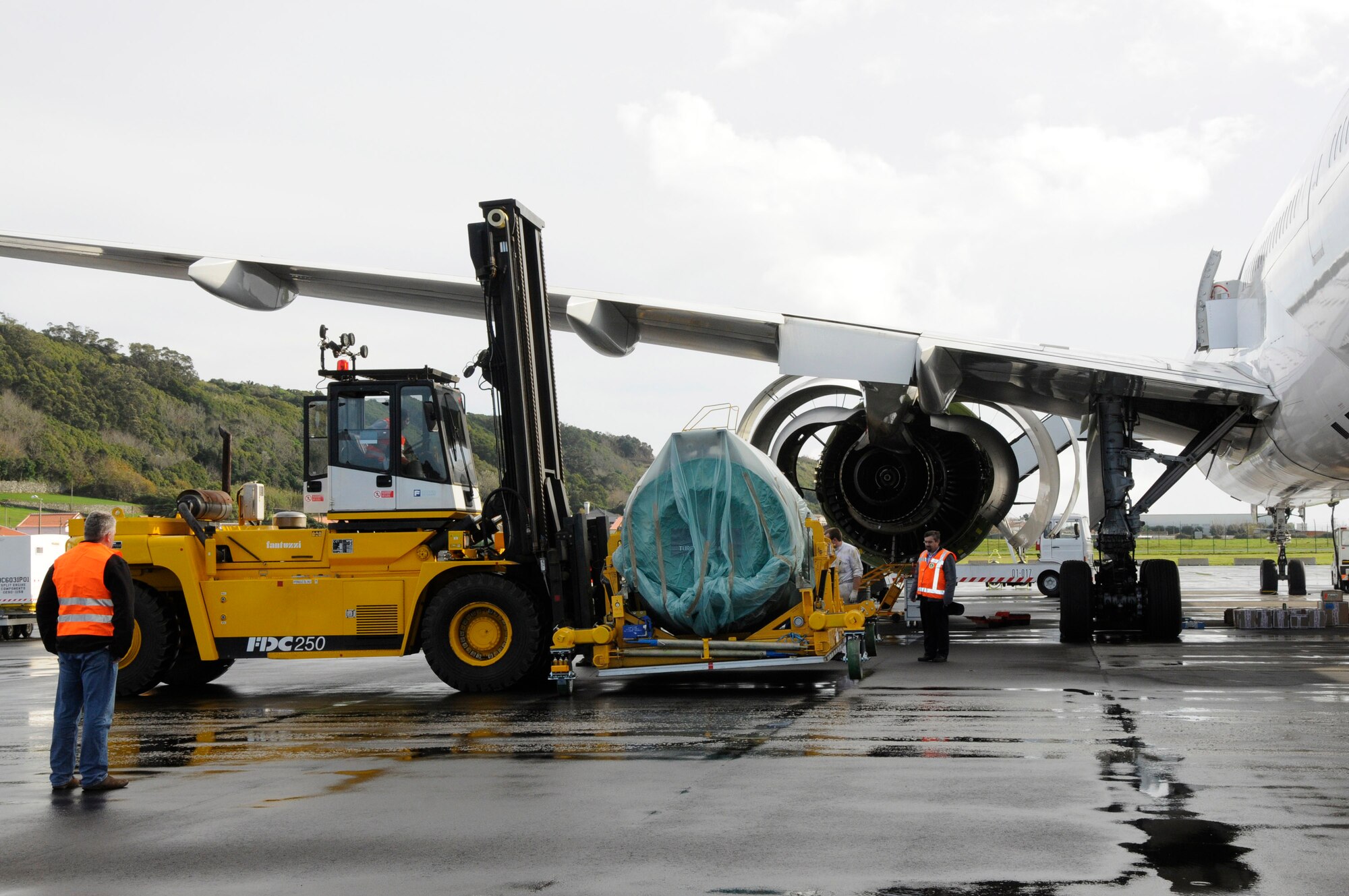
- Lajes Air Base (Azores)
- Major staging and logistics نقطة
- Dozens of aircraft rotating through
Greece – Intelligence Operations

- Souda Bay (Crete)
- Hosting RC-135 Rivet Joint spy aircraft
- Signals intelligence and surveillance
Romania – Hidden Support Layer
- Hosting unspecified logistics and intelligence assets
- Likely supporting backend operations
Spain’s Refusal Forces Strategic Adjustment
A key turning point in the deployment came when Spain denied the use of Morón and Rota air bases for strikes on Iran.
As a result:
- U.S. aircraft were relocated to France and Germany
- Operational flexibility was reduced
- Dependence on northern European bases increased
Europe’s Political Balancing Act
European leaders have taken cautious positions on supporting U.S. operations:
UK Position
Prime Minister Keir Starmer framed bomber operations as “defensive”, allowing limited support while avoiding full political endorsement.
Germany Position
Chancellor Friedrich Merz stated the conflict “isn’t Germany’s war,” but allowed base usage due to existing agreements.
Italy Position
Prime Minister Giorgia Meloni emphasized Italy’s limited role, focusing on refueling missions.
France Position
French officials downplayed involvement, describing tanker aircraft as logistical support rather than combat assets.
This reflects a broader European approach:
Support operations technically, but avoid political ownership of the war
Strategic Consequences
Reduced Interdiction Effectiveness
- Longer mission cycles
- Fewer strikes per day
- Lower sustained pressure on targets
Increased Operational Complexity
- Multi-base coordination
- Dependence on refueling chains
- Higher logistical burden
Political Constraints
- Limited freedom of action
- Reliance on host nation approval
A War Fought from Afar
The shift to European bases highlights a key reality:
The U.S. is now fighting a long-distance war, rather than operating from nearby regional hubs.
This changes the nature of the conflict:
- Less intense but more prolonged
- More dependent on logistics than proximity
- Increasingly shaped by political constraints
Conclusion
The relocation of U.S. operations to Europe marks a significant turning point in the war against Iran.
While it allows continued military engagement, it also introduces limitations that could reduce operational effectiveness over time.
As the conflict evolves, the balance between military capability, distance, and political constraints will play a decisive role in shaping its outcome.