
As the US-Israel war against Iran enters its first month, a critical question is emerging:
Who is running out of weapons first — Iran or the United States?
Recent intelligence suggests that while Iran has lost a significant portion of its missile arsenal, the United States is also burning through its high-precision weapons at an alarming rate. This creates a rare scenario where both sides face different types of ammunition pressure.
Iran’s Missile Arsenal: Destruction vs Survival
Current Damage Assessment
- Around 1/3 of Iran’s missile arsenal confirmed destroyed
- Another 1/3 likely damaged, buried, or inaccessible
- Remaining 1/3 still operational
Pre-War Capability
- Estimated 2,500 ballistic missiles capable of reaching Israel
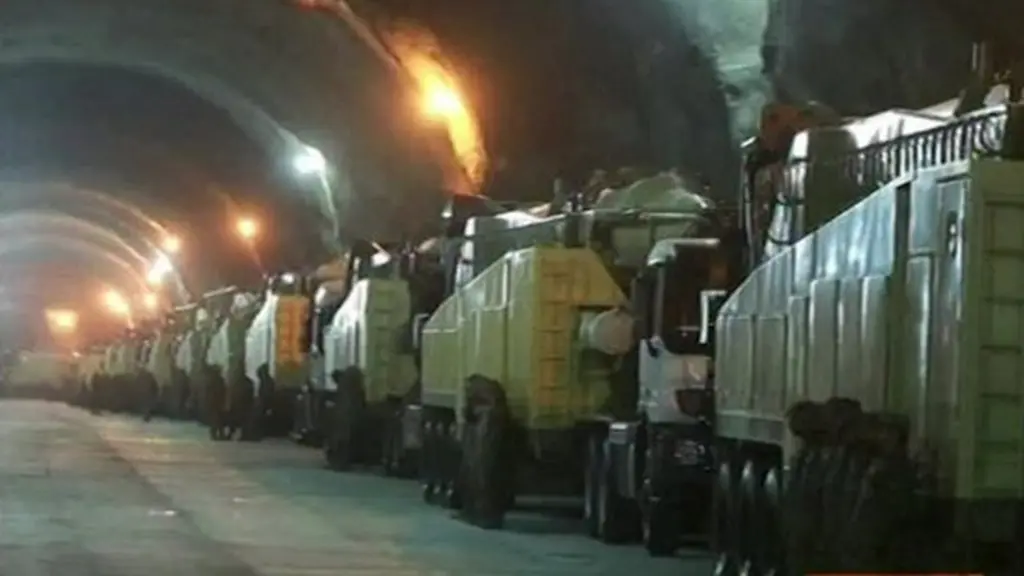
- Extensive underground bunker network protecting missiles
Key Observations
- Missiles hidden in tunnels are hard to verify or destroy
- Iran may recover damaged missiles after war
- Drone arsenal shows similar destruction pattern (≈1/3 destroyed)
Reality check:
Despite heavy strikes, Iran still retains a credible retaliatory capability
United States: Precision Weapons Burn Rate

Cruise Missile Usage
- Over 850 BGM-109 Tomahawk missiles fired
- Pre-war stock:
- Estimated 3,000 – 4,500 total
- Production rate:
- Only a few hundred per year
This means:
- 20–30% of total stockpile already used in ONE month
Air Defense Interceptors Crisis
- Over 1,000 interceptor missiles fired
- Includes:
- MIM-104 Patriot
- THAAD
- SM-3 interceptor
Why this is critical
- Interceptors are:
- Expensive
- Limited in supply
- Slow to produce
Defensive wars consume more interceptors than expected
Ammunition Shortage Comparison (US vs Iran)
Iran’s Situation
- ✔ Large pre-war stockpile
- ✔ Underground storage advantage
- ❌ Launchers destroyed (~70%)
- ❌ Production facilities targeted
Problem: Launch capacity reduced, not necessarily missile count
United States’ Situation
- ✔ Advanced precision weapons
- ✔ Strong logistics network
- ❌ High consumption rate
- ❌ Slow replenishment of precision missiles
Problem: Sustainability over time
Strategic Comparison
| Factor | Iran | United States |
|---|---|---|
| Missile Stockpile | Medium (partially hidden) | Large but finite |
| Production | Disrupted | Limited but active |
| Usage Rate | Moderate | Extremely high |
| Sustainability | Medium | ⚠️ At risk if war prolongs |
| Defense Systems | Limited | Advanced but expensive |
Key Insight: Two Different Wars
Iran is fighting:
- A survival war
- Preserving hidden missiles
- Waiting for long-term recovery
United States is fighting:
- A precision dominance war
- Using expensive, high-tech weapons rapidly
This creates a paradox:
- Iran is losing assets
- But the US is spending faster than it can replenish
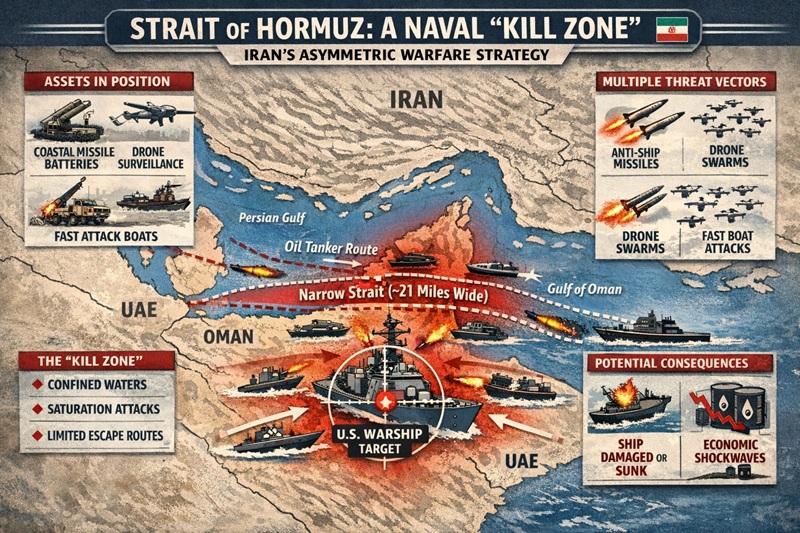
Strait of Hormuz Factor
- The Strait of Hormuz remains the center of gravity
- Any escalation here will:
- Increase missile exchanges
- Accelerate ammunition depletion
- Raise global oil risks
Final Analysis
✔ Iran has not been disarmed — only partially degraded
✔ US firepower is overwhelming but costly
✔ A prolonged war could shift advantage toward endurance, not technology
Most important conclusion:
This war is becoming a battle of stockpiles vs sustainability
Conclusion
The US-Iran war highlights a critical modern warfare lesson:
Victory is no longer just about firepower — it’s about how long you can sustain it
With Iran retaining hidden missile reserves and the US rapidly depleting precision weapons, the conflict may evolve into a long-term attrition war, especially if fighting intensifies around the Strait of Hormuz.