
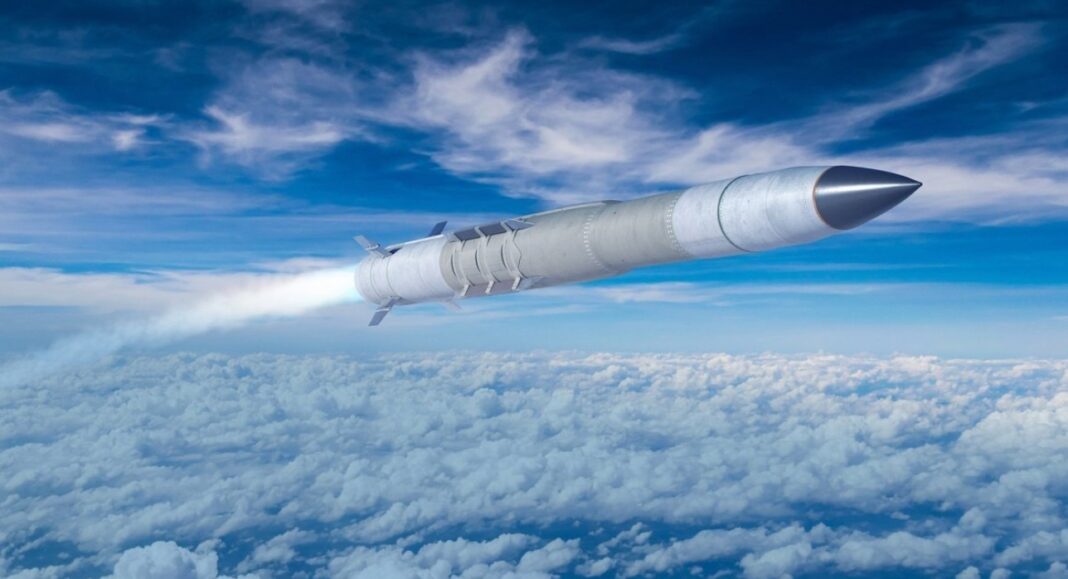
The U.S. Navy has proposed a major expansion of its shipborne missile defense capabilities, requesting $1.7 billion in its 2027 budget to procure 405 PAC-3 MSE anti-aircraft missiles, signaling a major shift in naval air and missile defense strategy.
The proposed purchase values each missile at approximately $4.19 million and reflects Washington’s growing focus on countering advanced missile threats, particularly from China’s anti-ship ballistic missile arsenal.
Although the U.S. Navy does not traditionally operate Patriot systems, the missiles are expected to be integrated into Arleigh Burke-class guided-missile destroyers through upgrades to the Mk 41 Vertical Launch System (VLS) and the Aegis combat system.
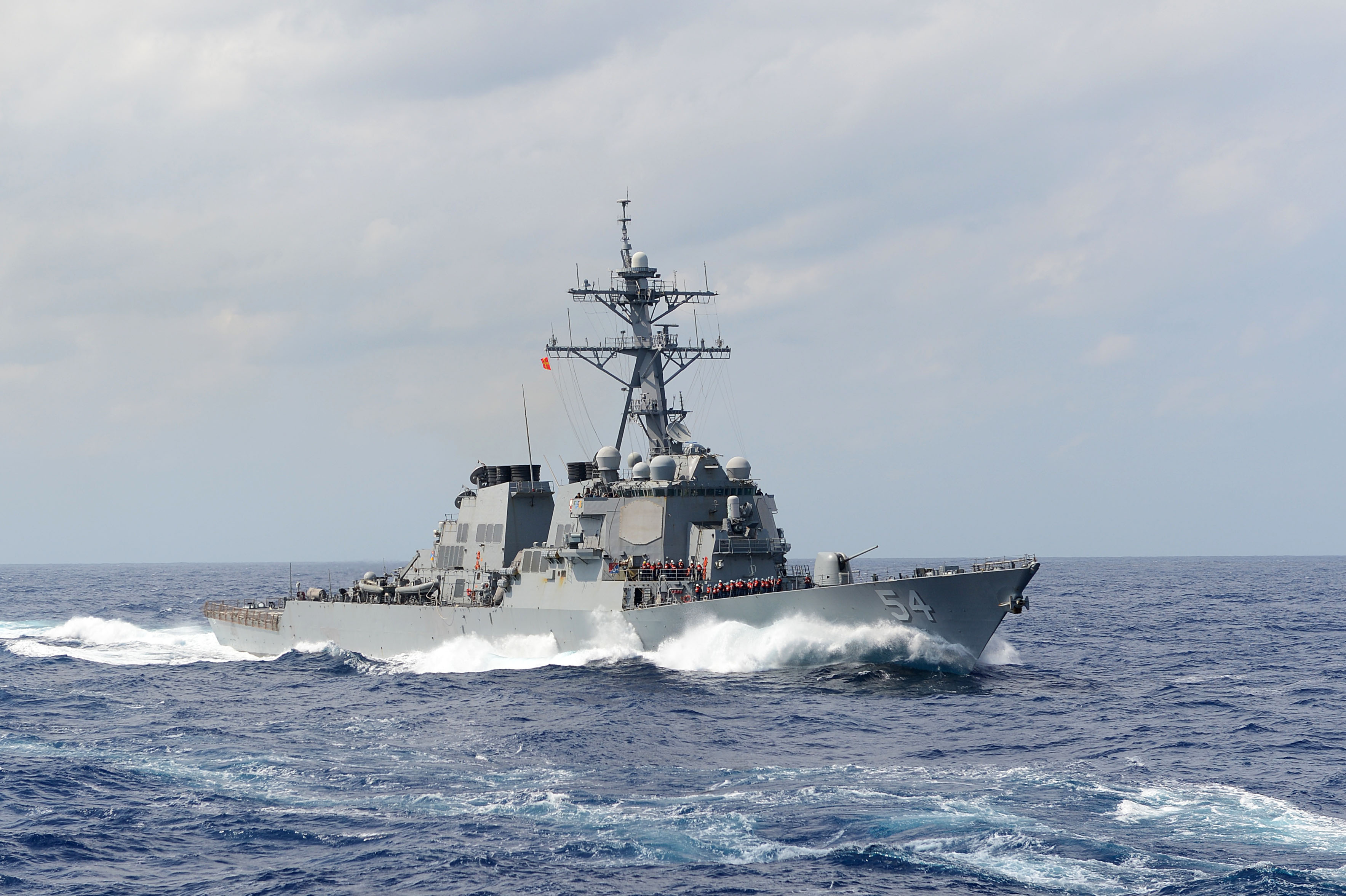
Patriot PAC-3 MSE Integration With Navy Destroyers
The Navy’s move follows more than three years of development work by Lockheed Martin to adapt the PAC-3 MSE interceptor for naval use.
In a major breakthrough in May 2024, Lockheed Martin successfully launched a PAC-3 MSE missile from an MK-70 containerized launcher using the Virtualized Aegis Weapon System, intercepting a live cruise missile target during testing at White Sands Missile Range.
This was the first demonstration that Patriot-class interceptors could work with naval combat architecture, opening the path for deployment aboard destroyers equipped with the SPY-1 radar and Mk 41 launch cells.
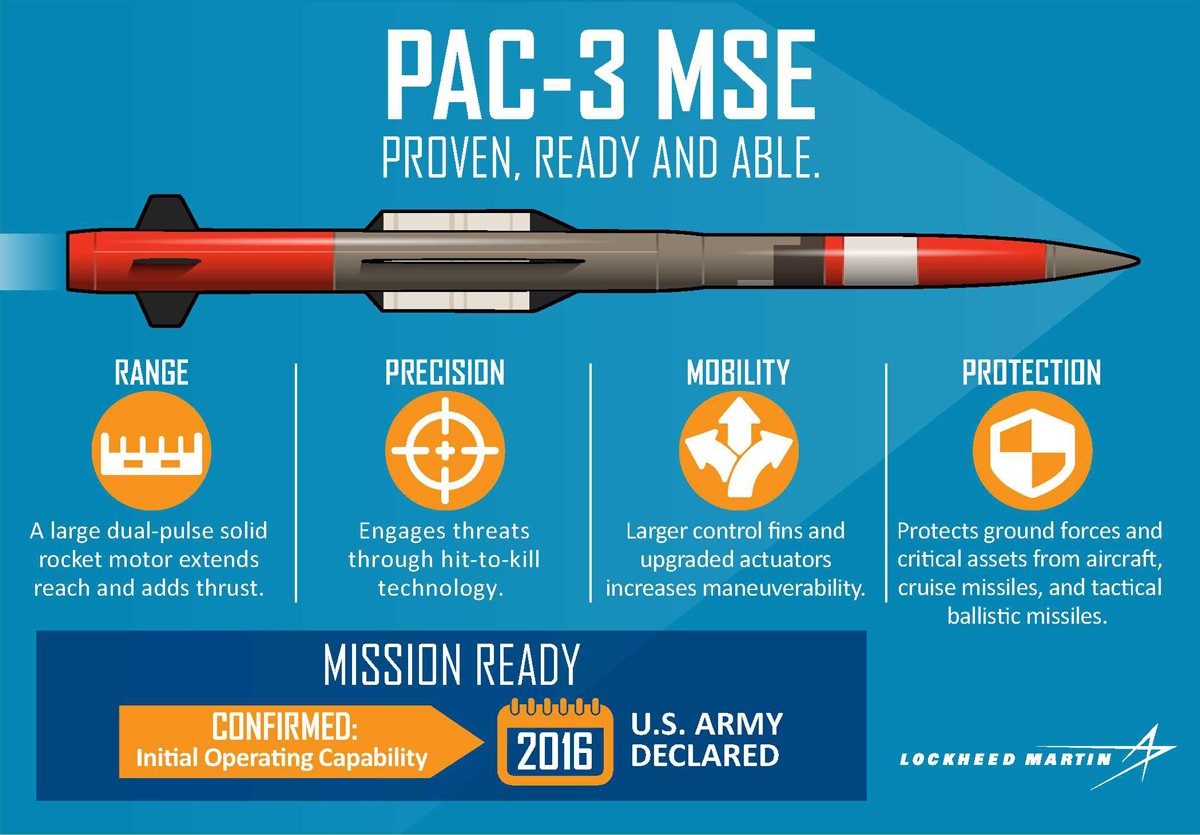
The goal is to give the Navy a more affordable and scalable option for intercepting ballistic and cruise missile threats at sea.
Why the Navy Is Moving Beyond the SM-6
Currently, the Navy relies heavily on the SM-6 missile for long-range air and missile defense.
The SM-6 remains one of the most versatile interceptors in the U.S. arsenal, capable of:
- intercepting ballistic missiles
- shooting down aircraft and cruise missiles
- striking surface ships
- engaging land targets
However, production constraints have become a major concern.
Industry projections suggest SM-6 production may rise to only around 500 missiles annually, compared with projected PAC-3 MSE output of up to 2,000 missiles per year within seven years.
This production imbalance is a key reason the Navy is expanding into PAC-3 MSE integration.
China Threat Driving U.S. Naval Missile Expansion
The strategic driver behind this move is China’s growing anti-ship missile capability, especially the DF-21D “carrier killer” ballistic missile and emerging hypersonic anti-ship weapons.
Beijing has continued testing long-range precision strike systems designed to target U.S. naval assets in the Indo-Pacific.
The threat is particularly significant for aircraft carriers and destroyer groups operating near Taiwan and the South China Sea.

The Navy’s proposed PAC-3 MSE procurement suggests the Pentagon is prioritizing layered ship defense against Chinese anti-ship ballistic missiles.
Impact on Global Patriot Missile Exports
The budget request could also affect U.S. arms exports.
At the same time the Navy is requesting 405 missiles, the U.S. Army has reportedly allocated 2,798 PAC-3 MSE interceptors to replenish its own stockpiles.
This means Washington may have fewer Patriot missiles available for foreign military sales, particularly for allies in Europe, the Middle East, and Asia that are already seeking additional air defense systems.
That development could have major implications for countries relying on U.S. missile defense exports amid rising regional tensions.