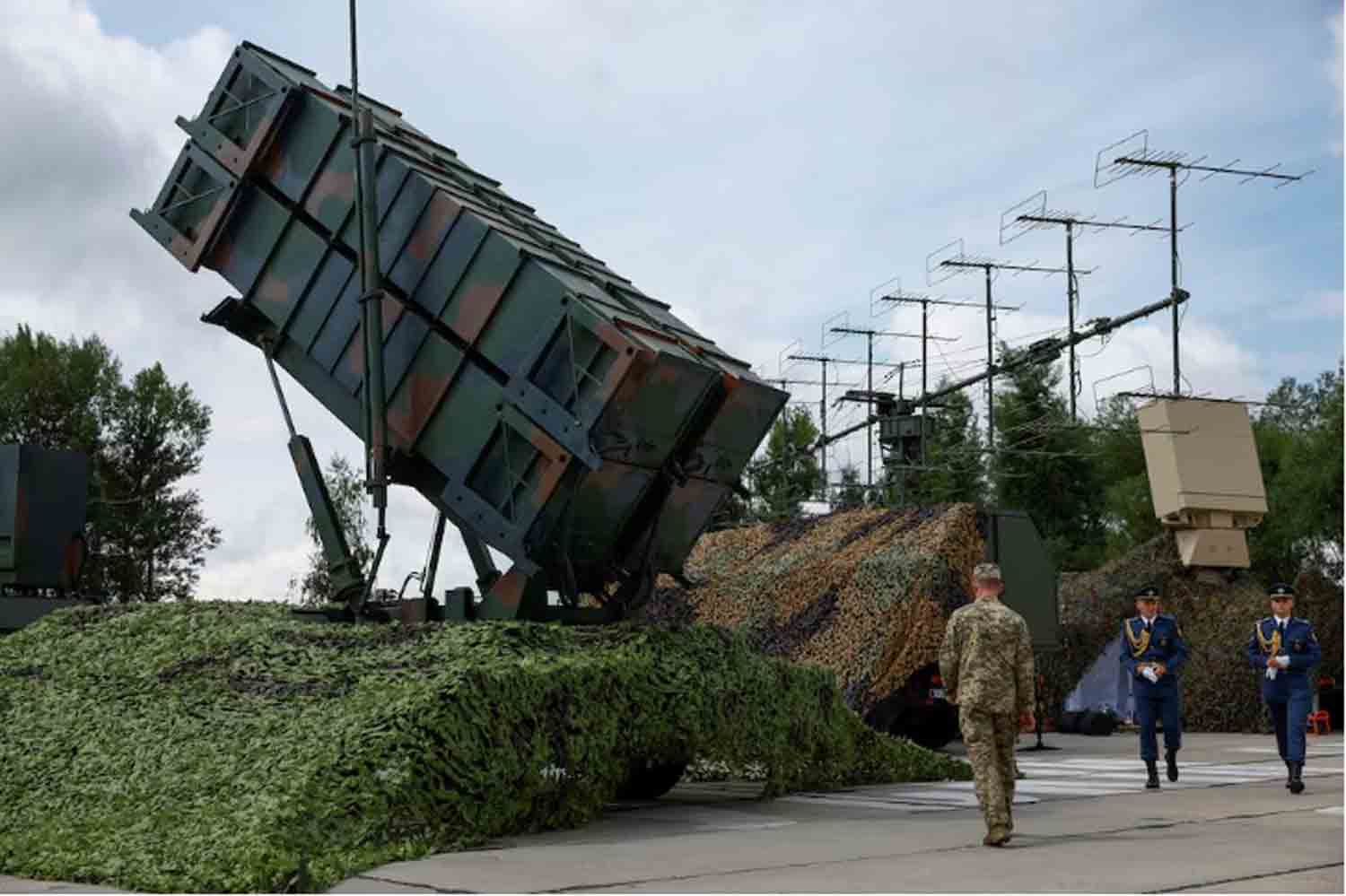
Recent reports from multiple Western sources indicate that the United States Army has fired more than 800 Patriot anti-ballistic missile interceptors during just five days of hostilities with Iran.
The interceptors were launched after the United States and Israel began large-scale military strikes on Iran on February 28, triggering a wave of Iranian missile retaliation across the Middle East.
If confirmed, the number of Patriot interceptors used in only a few days exceeds the estimated number launched during the entire Russia-Ukraine war, where the system has been in combat use for nearly three years.
The development has raised new concerns about missile defense sustainability, interceptor shortages, and the cost of modern air defense warfare.
The Cost of Patriot Missile Interceptors

The Patriot air defense system remains one of the most widely deployed anti-missile systems used by the United States and its allies.
However, each interceptor comes at a significant cost.
Typical costs include:
- Patriot interceptor: about $3 million per missile
- PAC-3 MSE interceptor: about $3.9 million for the U.S. Army
- Export versions sold abroad for up to $6.25 million
If more than 800 interceptors were used during the recent fighting, the direct cost of Patriot missile launches alone could exceed $2.5–3 billion.
This does not include other operational costs such as radar operations, logistics, or system maintenance.
Iran’s Large Missile Arsenal Challenges Air Defense
Iran possesses one of the largest ballistic missile arsenals in the Middle East, including hundreds of medium-range missiles capable of reaching Israel and U.S. bases in the Gulf region.
The scale of Iranian missile attacks has raised questions about whether the Patriot system can sustain long-term defense against large missile barrages.
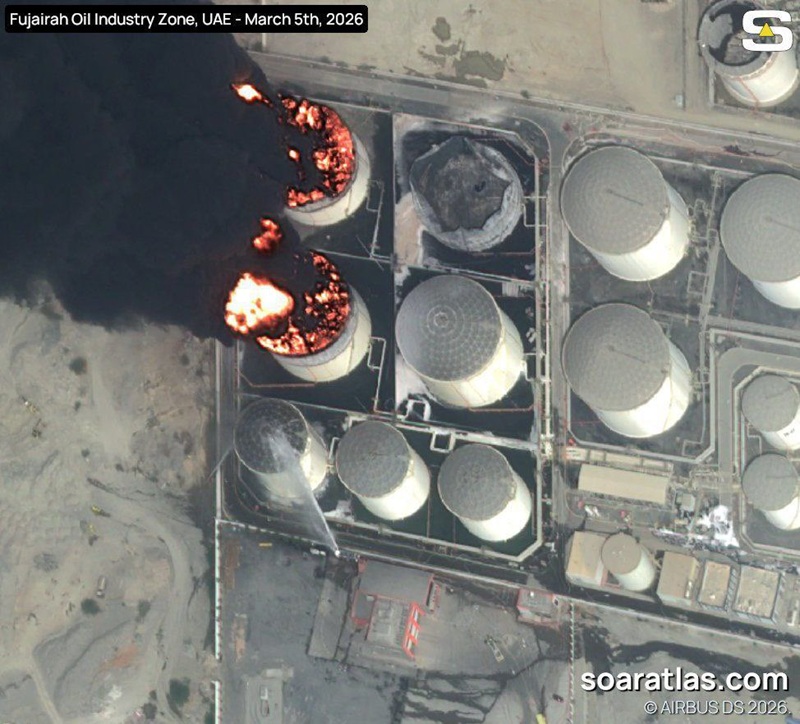
Satellite imagery from recent strikes showed that Al Udeid Air Base in Qatar, a key U.S. military facility protected by Patriot batteries, sustained significant damage from Iranian ballistic missiles.
This has intensified debate about the effectiveness and resilience of current missile defense systems against saturation attacks.
U.S. Patriot Missile Shortages Were Already Severe
Missile inventories were already under pressure before the latest conflict began.
In July 2025, U.S. defense officials confirmed that the military’s Patriot missile inventory had fallen to around 25 percent of the stockpile considered necessary by the Pentagon.
Several factors contributed to the shortage:
- large-scale deliveries of Patriot missiles to Ukraine
- previous interceptor use against Iranian missile attacks
- growing global demand for air defense systems
These shortages have led analysts to speculate that the United States may shift interceptors from other regions to reinforce Middle East defenses.
One potential source could be U.S. missile defense deployments in South Korea, where Patriot systems help protect against North Korean threats.
THAAD Missile Interceptors Face Even Greater Constraints
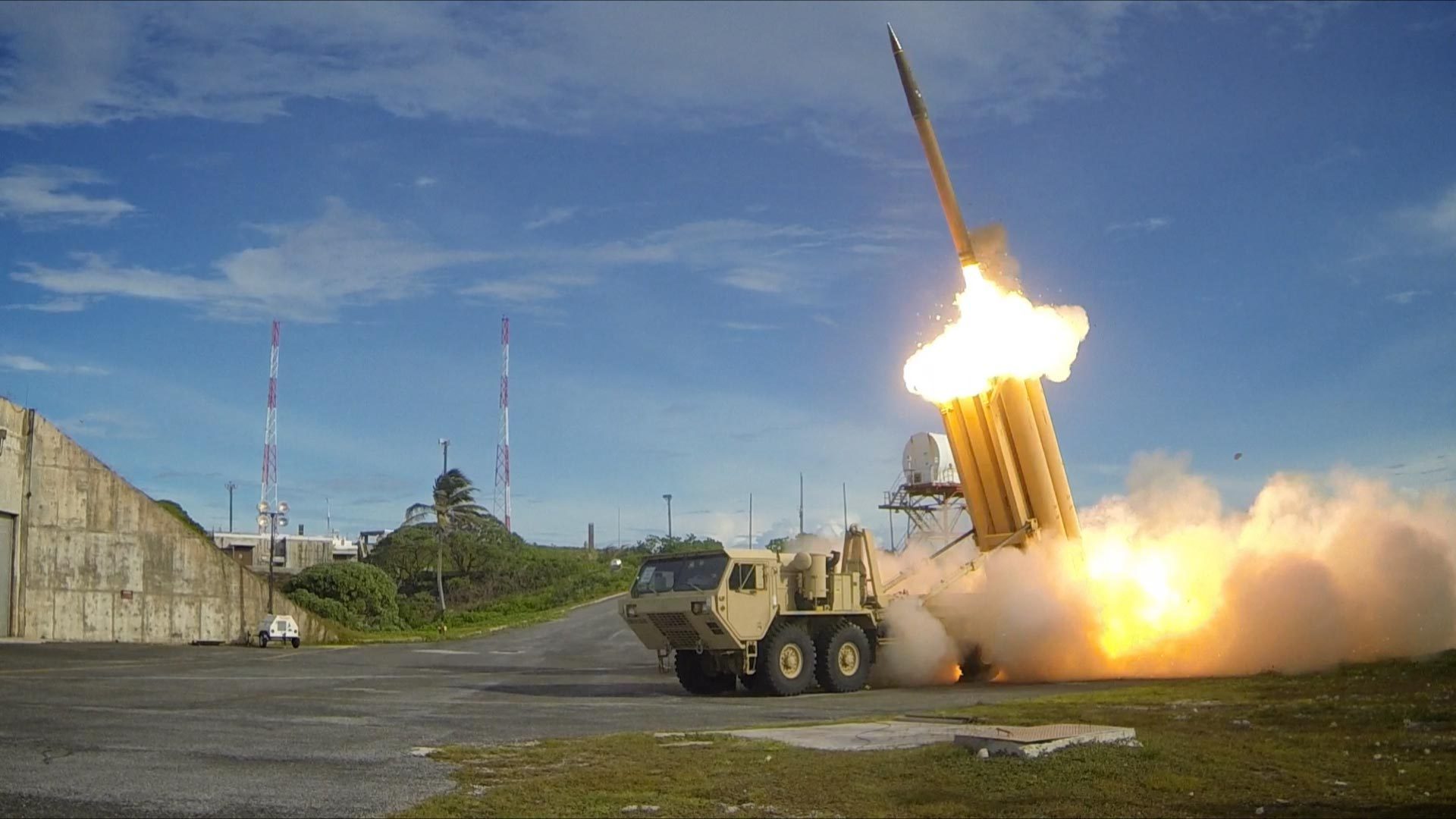
The United States also relies on the THAAD (Terminal High Altitude Area Defense) system to intercept ballistic missiles.
However, THAAD interceptors are:
- far more expensive
- produced in much smaller numbers
Each THAAD interceptor costs approximately $15.5 million.
During Iranian missile attacks on Israel in June 2025, the U.S. Army fired more than 150 THAAD interceptors within 11 days.
That represented over 25 percent of the global THAAD interceptor inventory.
The current conflict has required even heavier use of THAAD systems, which are now deployed across multiple countries including Israel and Jordan.
Limited Global Supply of THAAD Missiles
Unlike Patriot systems, THAAD missiles are used by very few foreign operators.
Only two countries currently operate the system outside the United States:
- Saudi Arabia
- United Arab Emirates
Both countries rely on THAAD batteries to defend their territory from Iranian missile attacks.
As a result, there are fewer external stockpiles available that could be transferred to replenish U.S. inventories.
Patriot’s Combat Record Under Scrutiny
The Patriot missile system saw its largest combat deployment in history during the Ukraine war beginning in 2023.
While the system successfully intercepted numerous Russian missiles, its performance also generated debate among military analysts.
Some officials questioned its effectiveness against large missile salvos and advanced threats.
These concerns helped drive the U.S. Army’s decision to begin developing a new version of the Patriot system.
The Next Generation Patriot System
In December 2025, the U.S. Army announced plans for a major modernization of the Patriot system.
The new variant is expected to include:
- 360-degree targeting capability
- improved radar coverage
- enhanced interception performance
The upgrade represents the most significant overhaul of the Patriot system since it entered service in 1981.
Many analysts believe the modernization effort reflects lessons learned from recent conflicts in Ukraine and the Middle East.
The Strategic Cost of Missile Defense Warfare
Modern missile defense operations are extremely expensive.
The cost of firing hundreds of interceptors in a short period can reach billions of dollars, even before accounting for system maintenance and operational costs.
At the same time, many offensive weapons such as drones or short-range missiles cost far less to produce.
This imbalance raises difficult strategic questions about the long-term sustainability of missile defense in high-intensity conflicts.
For the United States and its allies, the current war with Iran may prove to be one of the most demanding stress tests yet for global missile defense systems.